
Loading, please wait...

LOT 2116
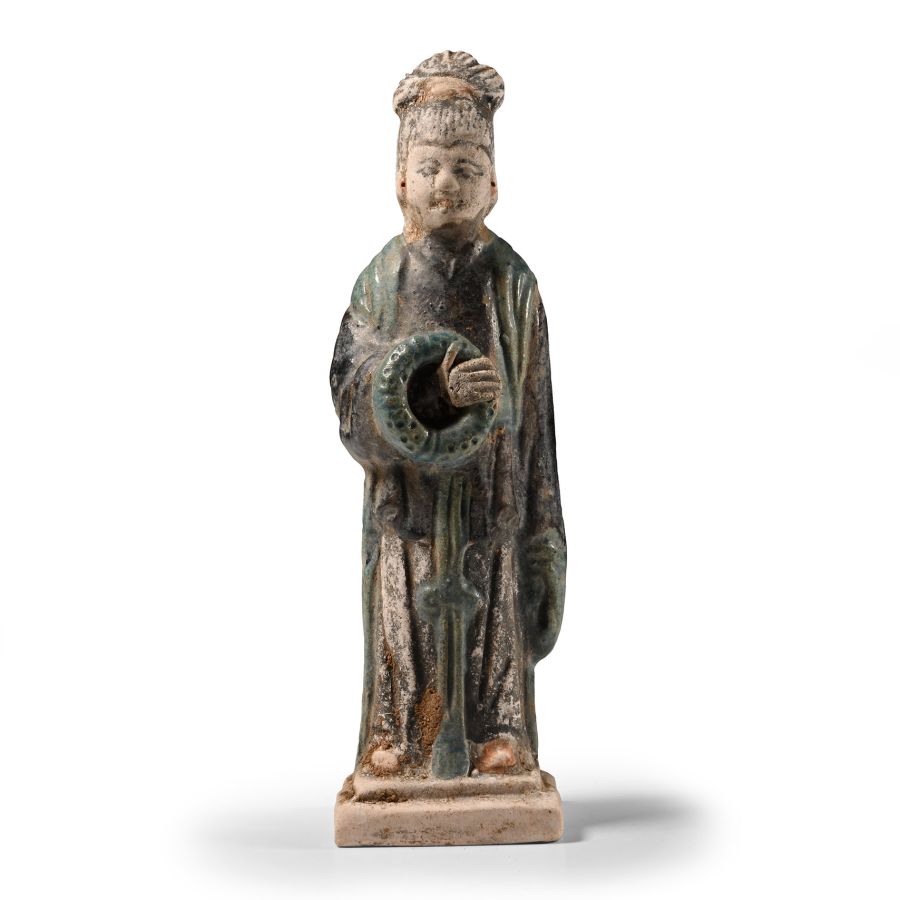
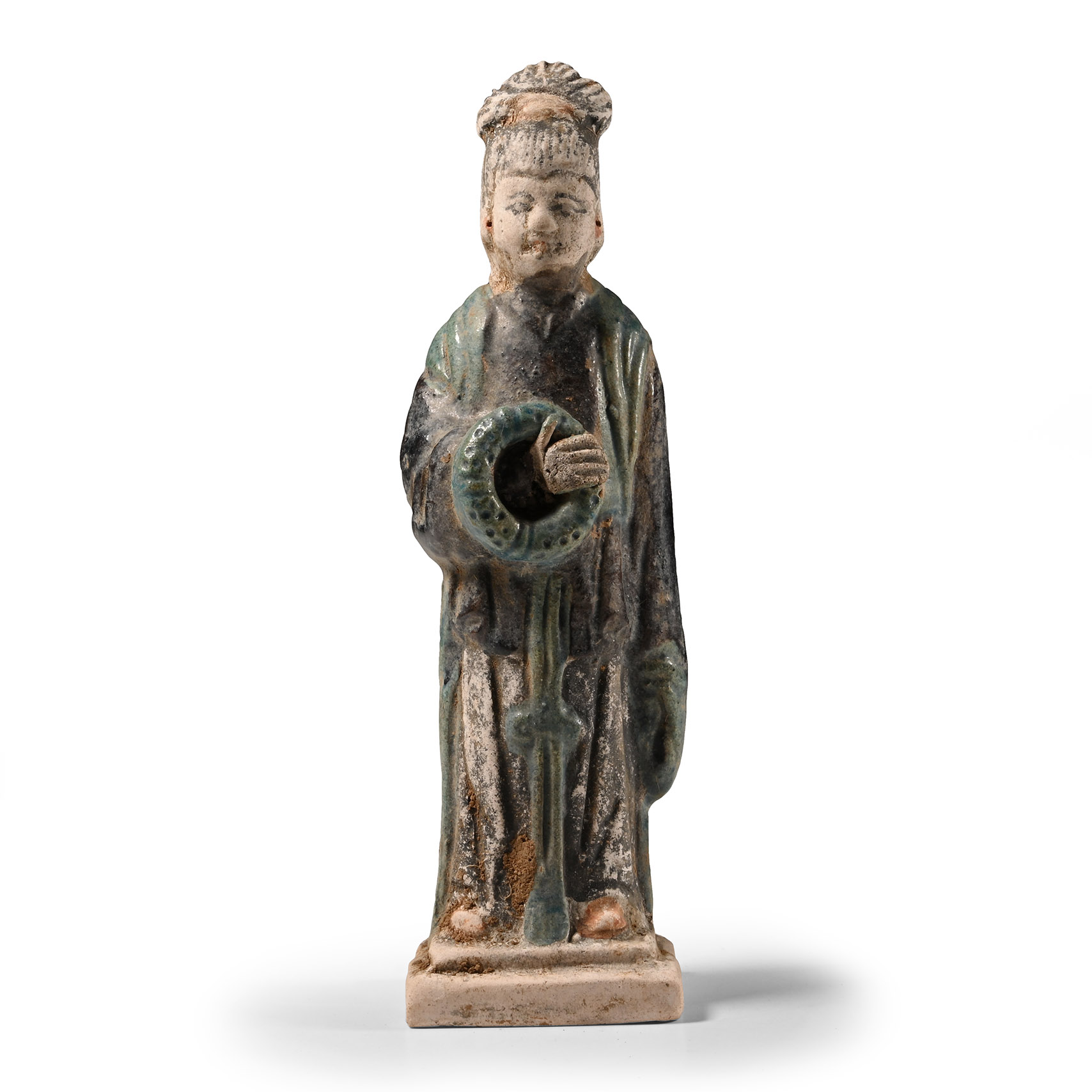
Chinese Ming Glazed Figure
MING DYNASTY, 1368-1644 A.D. OR LATER
6 3/4 in. (254 grams, 17 cm).
Standing erect on a tiered square base, wearing a floor-length robe and with elaborately dressed hair, right hand at the waist supporting a wreath.
ProvenanceEx West Country, UK, collection, 1980-1990s.
This lot is accompanied by an illustrated lot declaration signed by the Head of the Antiquities Department, Dr Raffaele D’Amato.
This lot is accompanied by an illustrated lot declaration signed by the Head of the Antiquities Department, Dr Raffaele D'Amato.
TimeLine Auctions follows a vetting process to ensure the authenticity and legality of all items, reinforcing our commitment to integrity and responsible trading. Each antiquity, antique, and coin lot undergoes thorough examination by a vetting committee of at least ten external specialists, professional trade association members, scientists, and archaeologists: Our Vetting Process
AUCTIONS:
TimeLine is a leading auction house specialising in antiquities, ancient art, collectables, natural history, coins, medals, and books. Our auctions offer museums, collectors, historians, and enthusiasts the opportunity to acquire unique and historically significant pieces.
LOT 2116
Chinese Ming Glazed Figure
Estimate £80 - 100€93 - 116 (for guidance only)$108 - 135 (for guidance only)
-
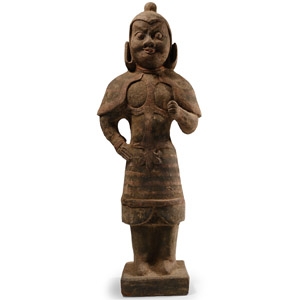
Chinese Tang Standing Terracotta Warrior
Tang Dynasty, 618-907 A.D. or laterSold for (Inc. bp): £351
Standing on a square base, wearing military armour and a helmet with curving lappets, holding his left arm bent at the elbow with a shallow socket to the fist, right hand held at the hip. 4.5 kg, 46 cm
Ex West Country, UK, collection, 1990s. This lot is accompanied by an illustrated lot declaration signed by the Head of the Antiquities Department, Dr Raffaele D'Amato. -
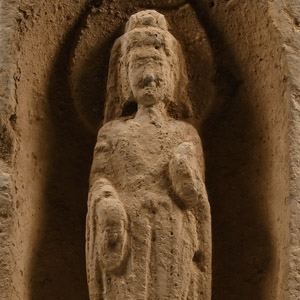
Chinese Wei Terracotta Buddha Brick
Northern Wei Dynasty, 386-534 A.D. or laterSold for (Inc. bp): £182
Rectangular block with recess to obverse, Buddha standing on a dais, his robe draped with swags. 4.7 kg, 32.5 cm
Ex Hong Kong collection, 1990s. This lot is accompanied by an illustrated lot declaration signed by the Head of the Antiquities Department, Dr Raffaele D'Amato. -
.jpg)
Chinese Ming Glazed Retainer Pair
Ming Dynasty, 1368-1644 A.D. or laterEstimate: £180 - 240 (+bp*)
Opening Bid: £100
Both standing on a rectangular base in a wide stance, wearing conical hats, boots and black cross-over robes tied at the waist with a red belt; separately modelled heads with delicately rendered faces; both showing one raised arm (one with hand absent) and the other held at the side covered by the voluminous sleeve; repaired. 3 kg total, 33-34 cm
From a West Country, UK, collection, 1990s. This lot is accompanied by an illustrated lot declaration signed by the Head of the Antiquities Department, Dr Raffaele D’Amato. This lot is accompanied by an illustrated lot declaration signed by the Head of the Antiquities Department, Dr Raffaele D'Amato.
