
Loading, please wait...
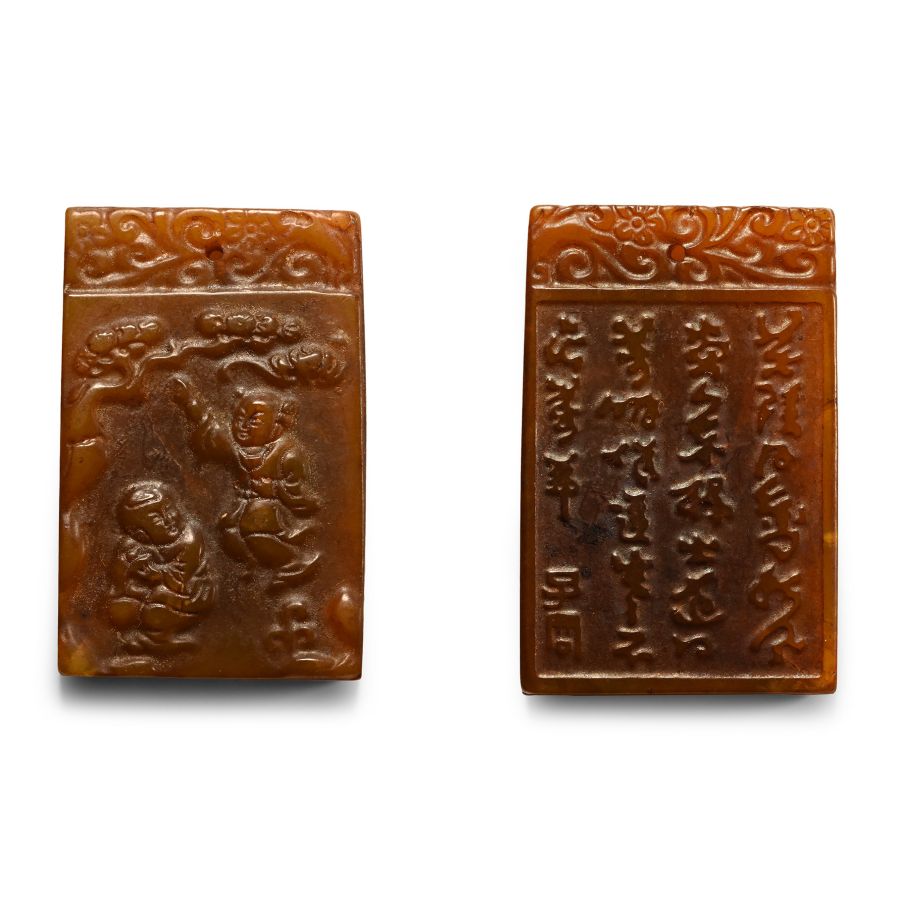

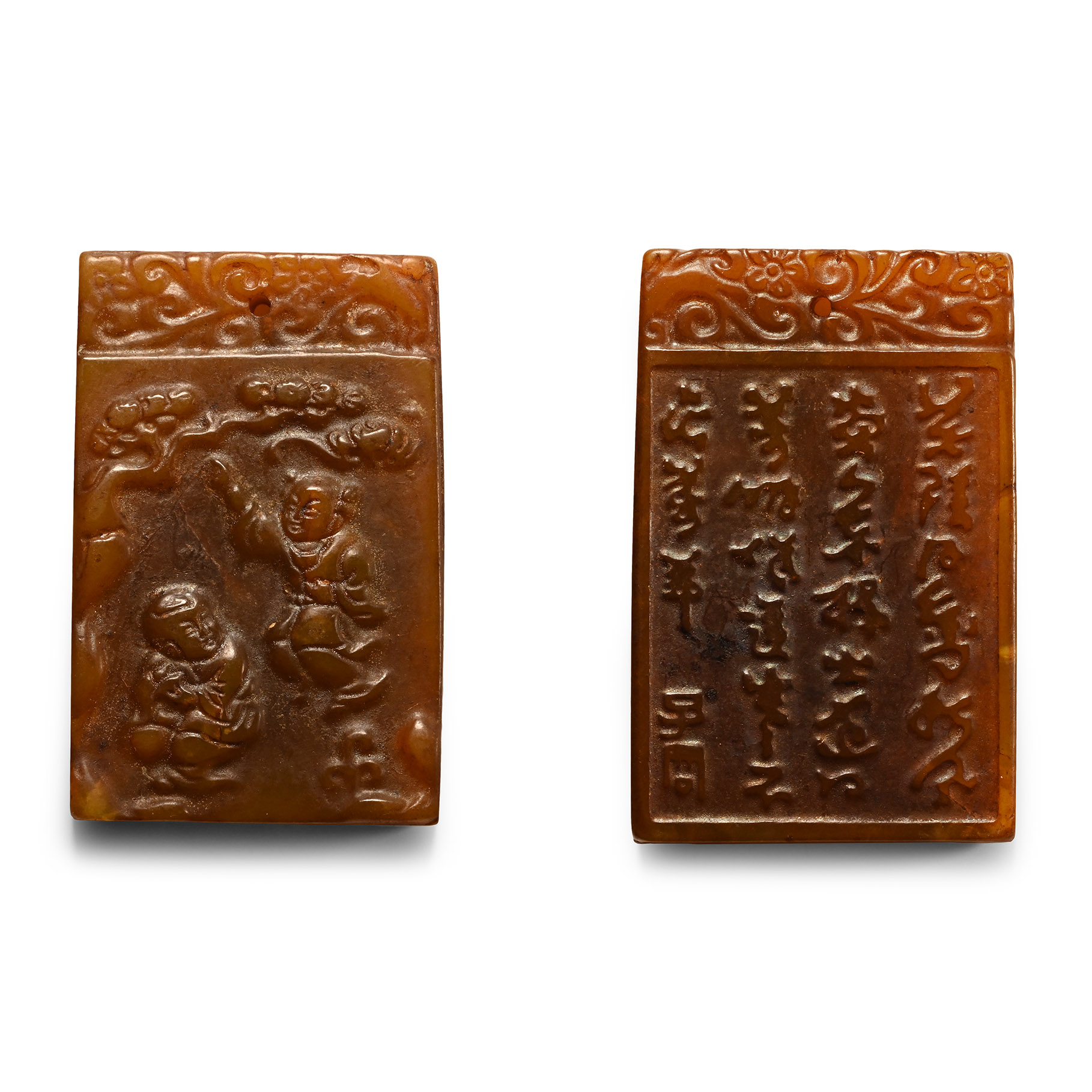
LOT 2201
Chinese Hardstone Plaque Pendant
20TH CENTURY A.D.
2 3/8 x 1 5/8 in. (42 grams, 61 x 40 mm).
Obverse with two figures in a landscape beneath a tree, reverse with four columns of text. [No Reserve]
ProvenanceEx Paris gallery, 1980-1990.
From a Parisian collection.
TimeLine Auctions follows a vetting process to ensure the authenticity and legality of all items, reinforcing our commitment to integrity and responsible trading. Each antiquity, antique, and coin lot undergoes thorough examination by a vetting committee of at least ten external specialists, professional trade association members, scientists, and archaeologists: Our Vetting Process
AUCTIONS:
TimeLine is a leading auction house specialising in antiquities, ancient art, collectables, natural history, coins, medals, and books. Our auctions offer museums, collectors, historians, and enthusiasts the opportunity to acquire unique and historically significant pieces.
-
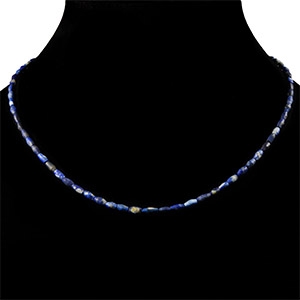
Lapis Lazuli Bead Necklace String
20th century A.D. or earlierSold for (Inc. bp): £26
Composed of biconical beads, some sodalite; restrung. 6.32 grams, 44 cm long
UK gallery, early 2000s. -
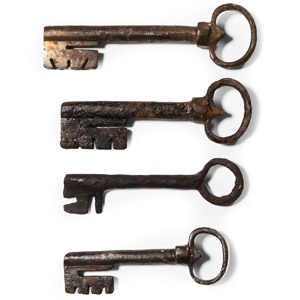
Post Medieval Iron Key Group
18th-19th century A.D.Sold for (Inc. bp): £52
Including circular and looped bows, barrel-shanks and other types; many of these objects are published in the Detector Finds book series. 170 grams total, 9-12.2 cm
From the collection of the famous author, writer and speaker, Gordon Bailey, Essex, UK; formed since 1968. -
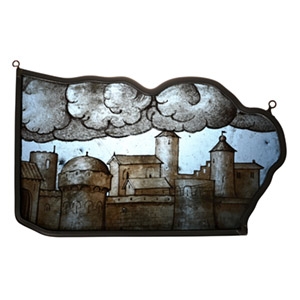
Stained Glass Panel of a City Landscape
Northern France, probably Champagne, circa 1520-1530 A.D.Sold for (Inc. bp): £910
Irregular panel depicting a section of fortified town wall with gate, towers and loopholes, church and other buildings; lowering clouds above; framed with lead cames with two suspension loops. 223 grams, 22 cm wide
with De Baecque Vente Aux Enchere, 5 March 2022, no.52.
