
Loading, please wait...
LOT 1927
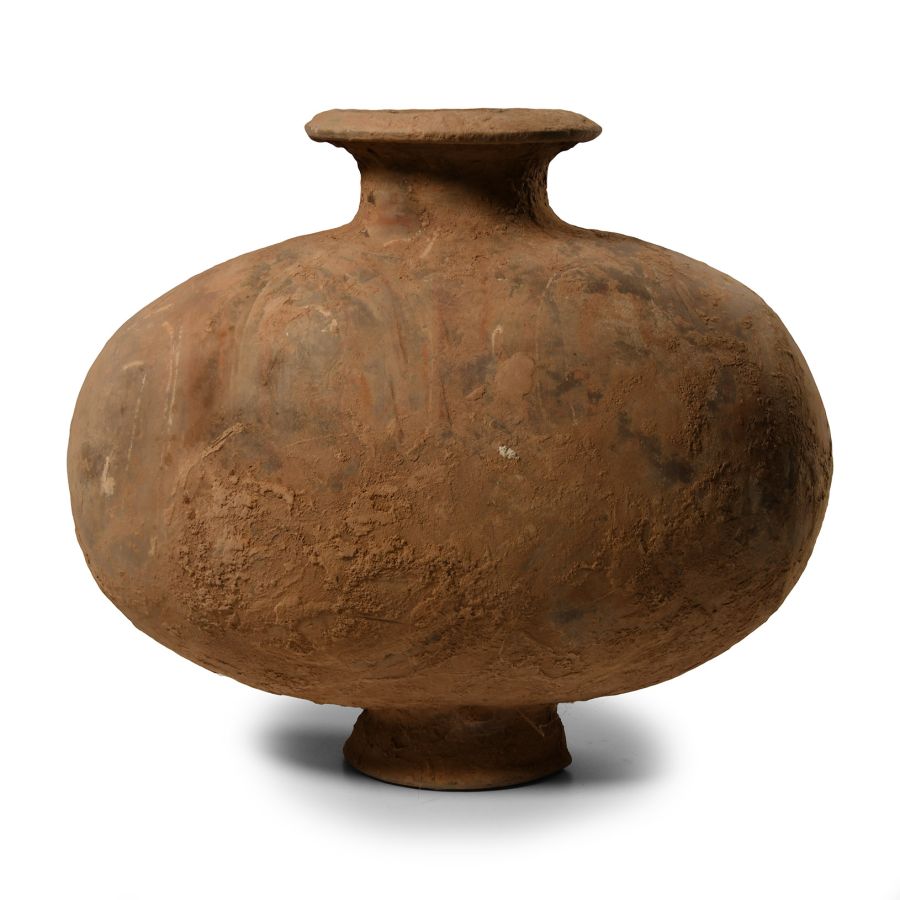
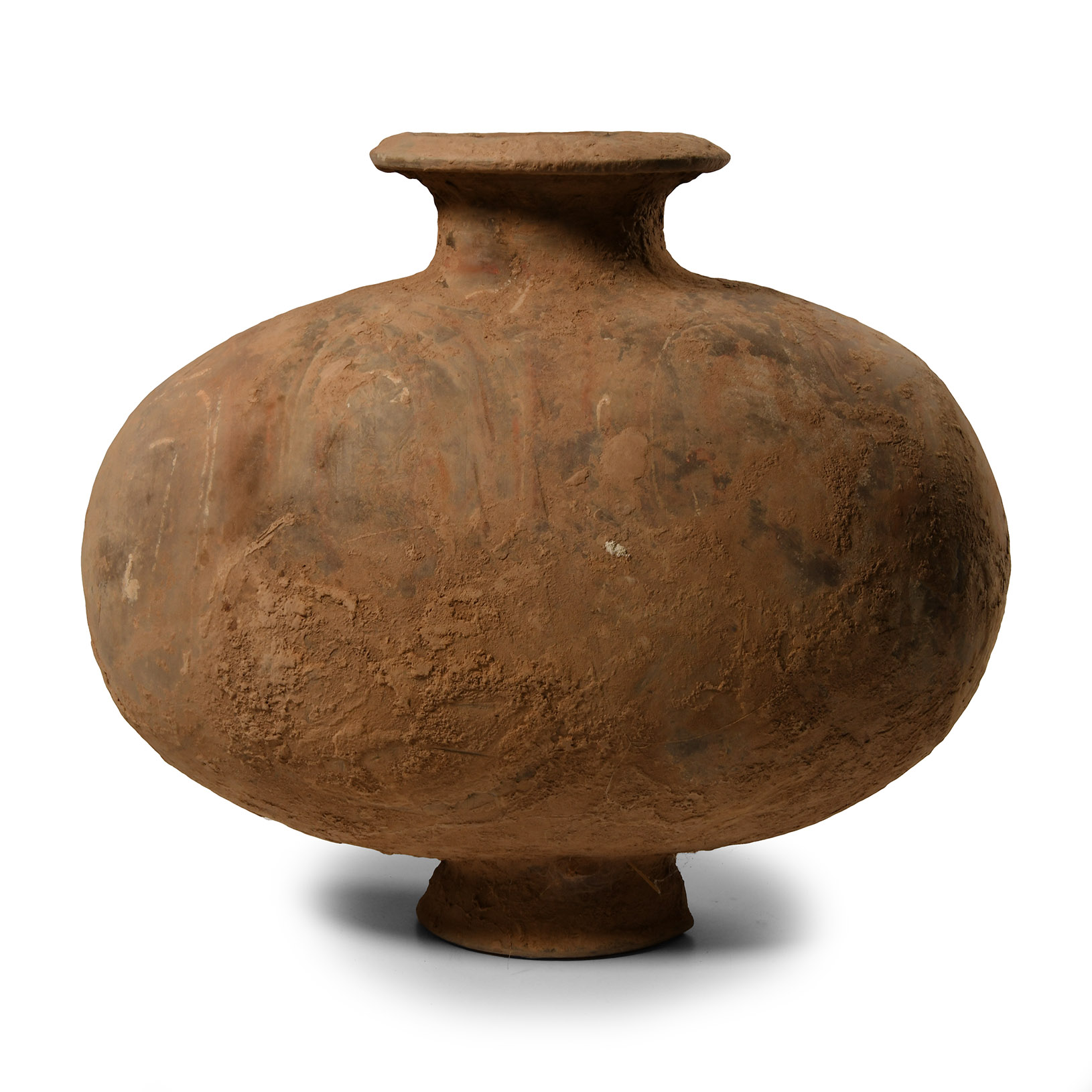
Chinese Han Terracotta Cocoon Jar
HAN DYNASTY, 206 B.C.-220 A.D.
12 1/4 in. (2.5 kg, 31 cm wide).
With vertical painted bands, flared base, ribbed neck and chamfered rim
ProvenanceEx The C. Roger Moss OBE collection.
FootnotesThe late C. Roger Moss OBE was a renowned art collector who, throughout the years, thanks to his determination and enthusiasm, was able to create an outstanding collection of artworks, most prominently from China and the Orient, but also from other cultures.
CONDITIONTimeLine Auctions follows a vetting process to ensure the authenticity and legality of all items, reinforcing our commitment to integrity and responsible trading. Each antiquity, antique, and coin lot undergoes thorough examination by a vetting committee of at least ten external specialists, professional trade association members, scientists, and archaeologists: Our Vetting Process
AUCTIONS:
TimeLine is a leading auction house specialising in antiquities, ancient art, collectables, natural history, coins, medals, and books. Our auctions offer museums, collectors, historians, and enthusiasts the opportunity to acquire unique and historically significant pieces.
LOT 1927
Chinese Han Terracotta Cocoon Jar
Estimate £250 - 350€290 - 410 (for guidance only)$340 - 470 (for guidance only)
-
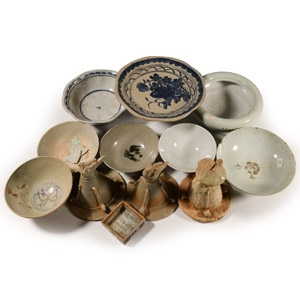
Chinese Glazed Pottery Group
Song Dynasty, 960-1279 A.D. and laterSold for (Inc. bp): £156
Including two celadon ware glazed conical lids with bird finials, a tin-glazed bowl with hexagonal crimped rim, and other items. 3.2 kg total, 6-21 cm
Property of a North London, UK, gentleman. -
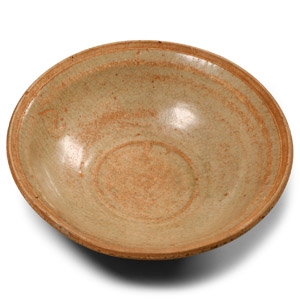
Chinese Tang Glazed Terracotta Dish
Tang Dynasty, 618-907 A.DSold for (Inc. bp): £39
Of low profile with stepped rim, basal ring. 220 grams, 16 cm wide
Ex West Country, UK, collection, 1980-1990s. -

Chinese Hardstone Amulet of Budai
20th century A.D.Sold for (Inc. bp): £13
Shown smiling with his large cloth sack next to him, his large stomach exposed; suspension loop to the reverse. 13 grams, 35 mm
Ex property of a late Japanese collector, 1970-2000s.
The name 'Budai' means 'cloth sack', which he is usually depicted carrying. He is traditionally depicted as a fat, bald monk wearing a simple robe, and his jolly nature distinguishes him from most Buddhist masters or figures.
