
Loading, please wait...
LOT 0447
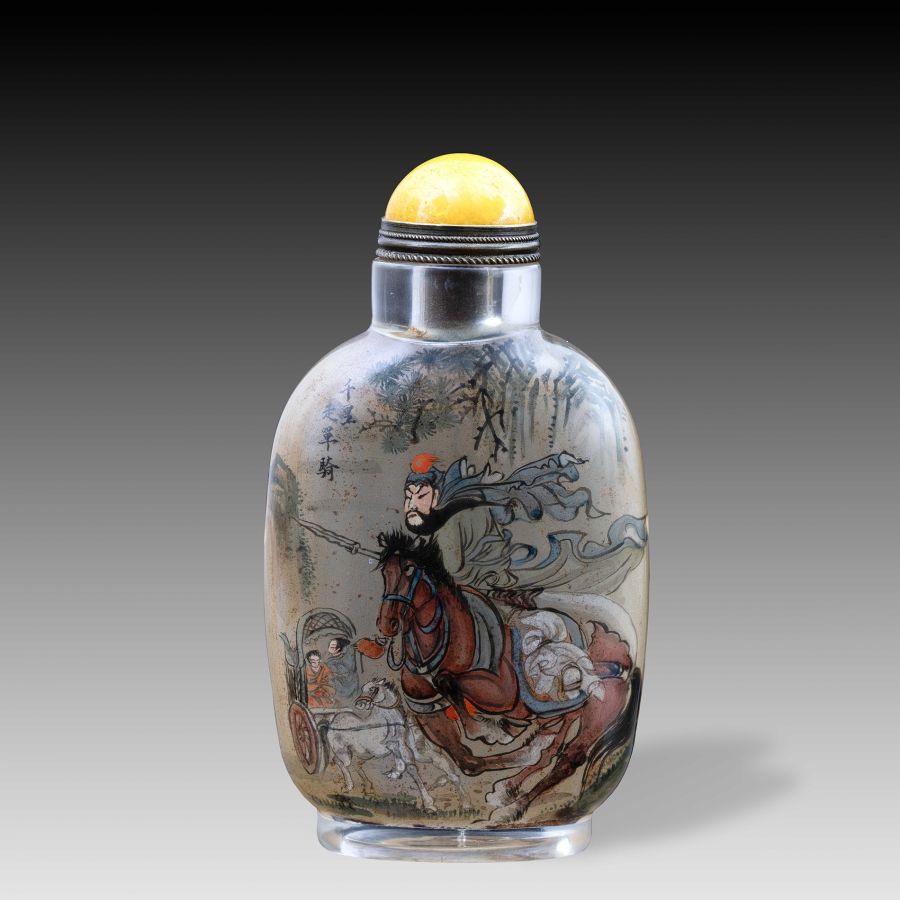
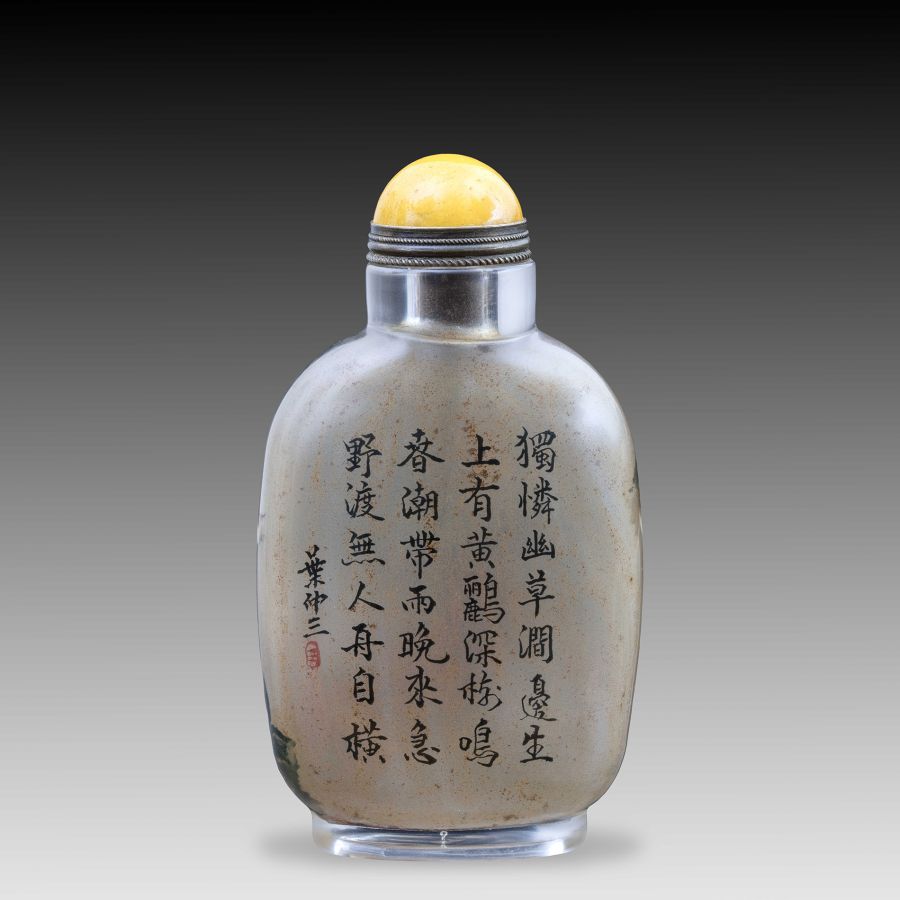
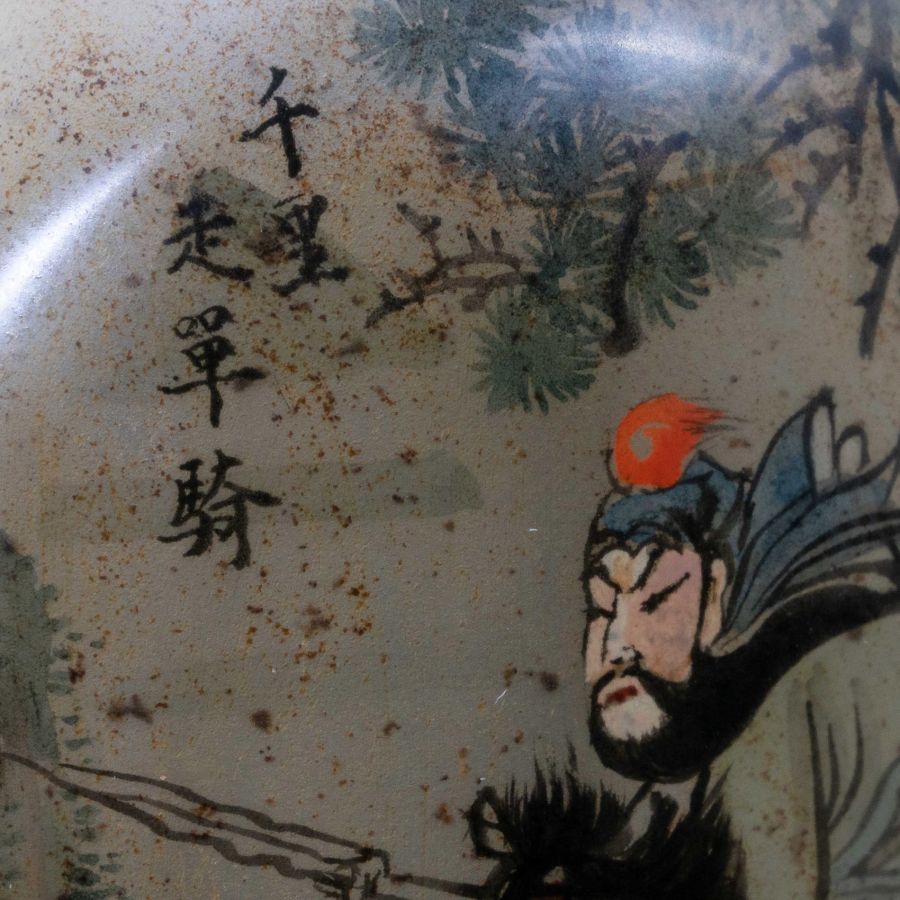
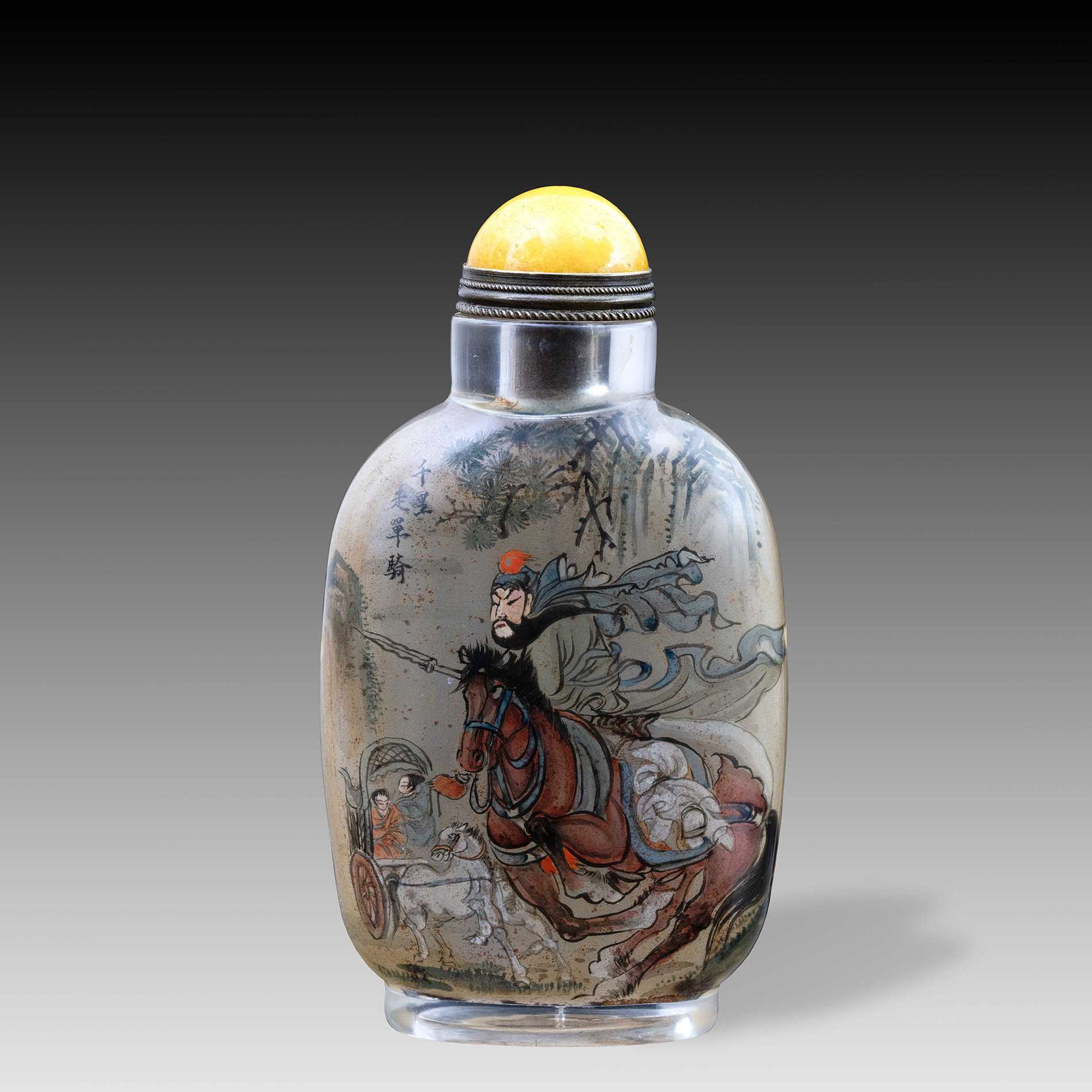
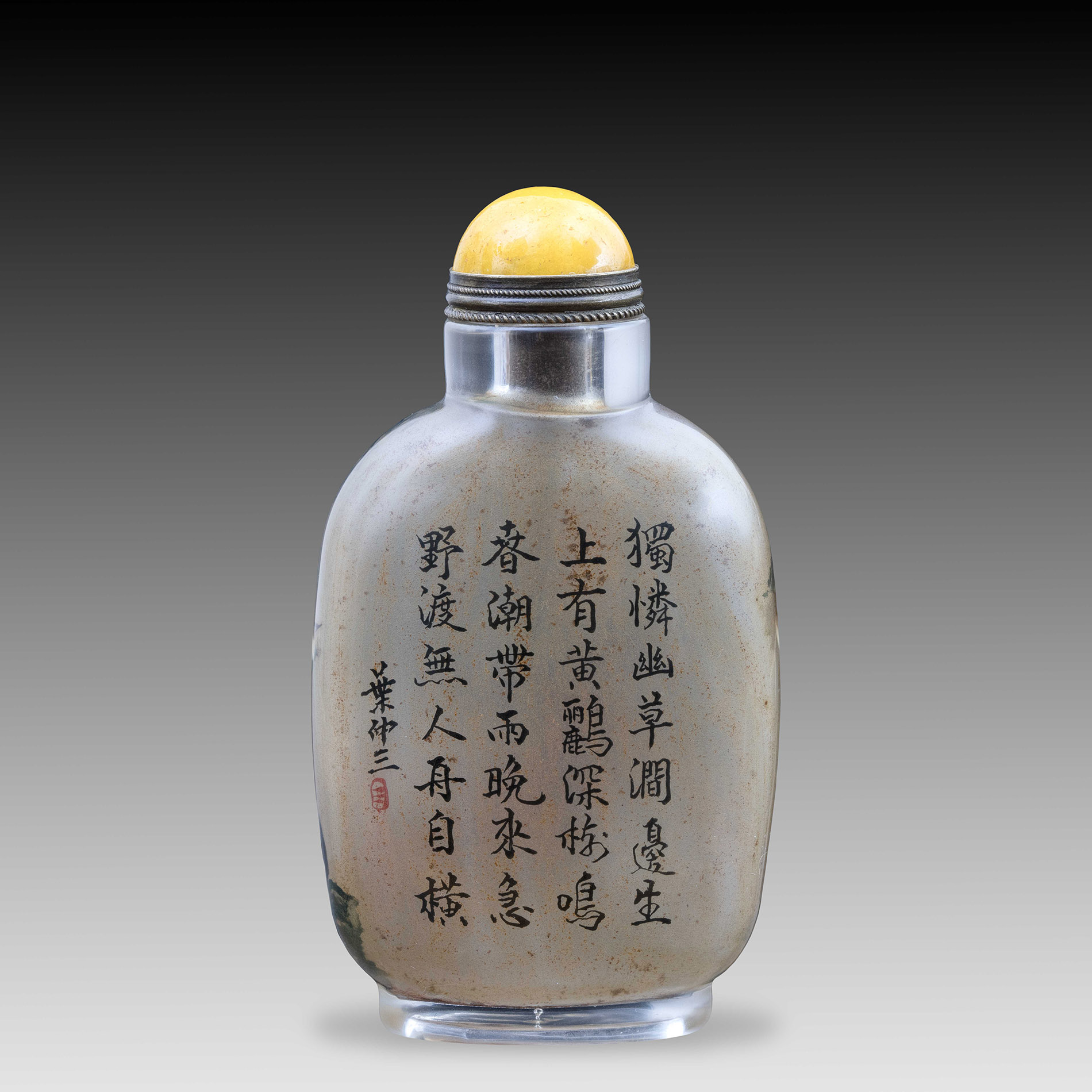
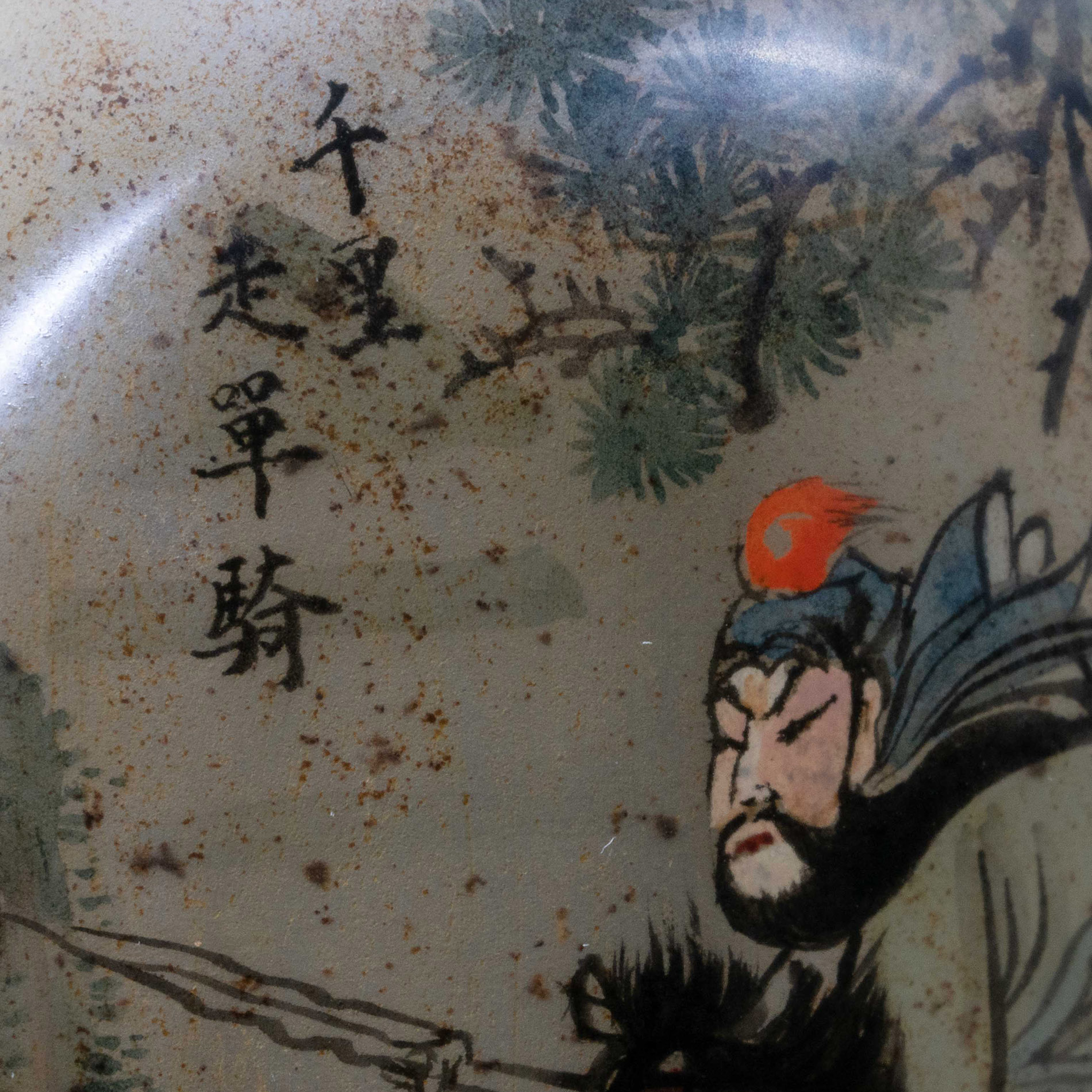
Chinese Glass Warrior on Horseback Snuff Bottle, Signed Ye Zhongsan
DATED 1900-1910 A.D.
3 5/8 in. (75.6 grams, 92 mm high).
The scene painted on the interior of one face, Chinese characters painted to the reverse, yellow cabochon to the lid.
ProvenanceProperty of a lady, from her grandfather's collection, 1960s-1970s; thence by descent.
CONDITIONTimeLine Auctions follows a vetting process to ensure the authenticity and legality of all items, reinforcing our commitment to integrity and responsible trading. Each antiquity, antique, and coin lot undergoes thorough examination by a vetting committee of at least ten external specialists, professional trade association members, scientists, and archaeologists: Our Vetting Process
AUCTIONS:
TimeLine is a leading auction house specialising in antiquities, ancient art, collectables, natural history, coins, medals, and books. Our auctions offer museums, collectors, historians, and enthusiasts the opportunity to acquire unique and historically significant pieces.
LOT 0447
Chinese Glass Warrior on Horseback Snuff Bottle, Signed Ye Zhongsan
Estimate £600 - 800€700 - 930 (for guidance only)$810 - 1,080 (for guidance only)
-
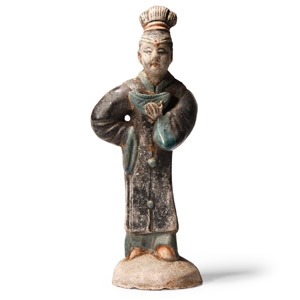
Chinese Qing Glazed Ceramic Female Attendant
Qing Dynasty, 1644-1911 A.D.Estimate: £100 - 140 (+bp*)
Opening Bid: £50
Modelled in the round standing on a domed base, wearing floor length robes with voluminous sleeves, hair dressed in an elaborate style, holding a crescentic dish; remains of polychrome pigmentation. 488 grams, 22.2 cm high
Ex Cotswold, UK, collection, 1970-1990. -
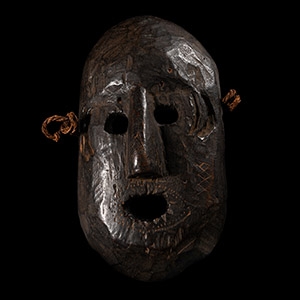
Nepalese Wooden Mask
19th century A.D.Sold for (Inc. bp): £780
Representing a male face with detailing around the mouth possibly representing a beard or lips, other incised geometric detailing to the cheek; rope attachment for display and remains of a wax seal to reverse. 306 grams, 23.5 cm high
Acquired in the 1970s. Danish private collection. -
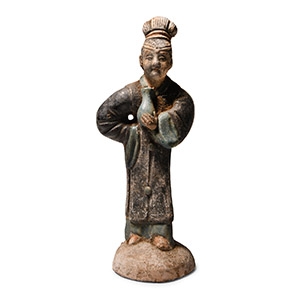
Chinese Qing Glazed Ceramic Female Attendant
Qing Dynasty, 1644-1911 A.D.Estimate: £100 - 140 (+bp*)
Opening Bid: £50
Modelled in the round standing on a domed base, wearing floor length robes with voluminous sleeves, hair dressed in an elaborate style, holding a vase in one hand at the breast; remains of polychrome pigmentation. 494 grams, 22.5 cm high
Ex Cotswold, UK, collection, 1970-1990.
