
Loading, please wait...
LOT 2204
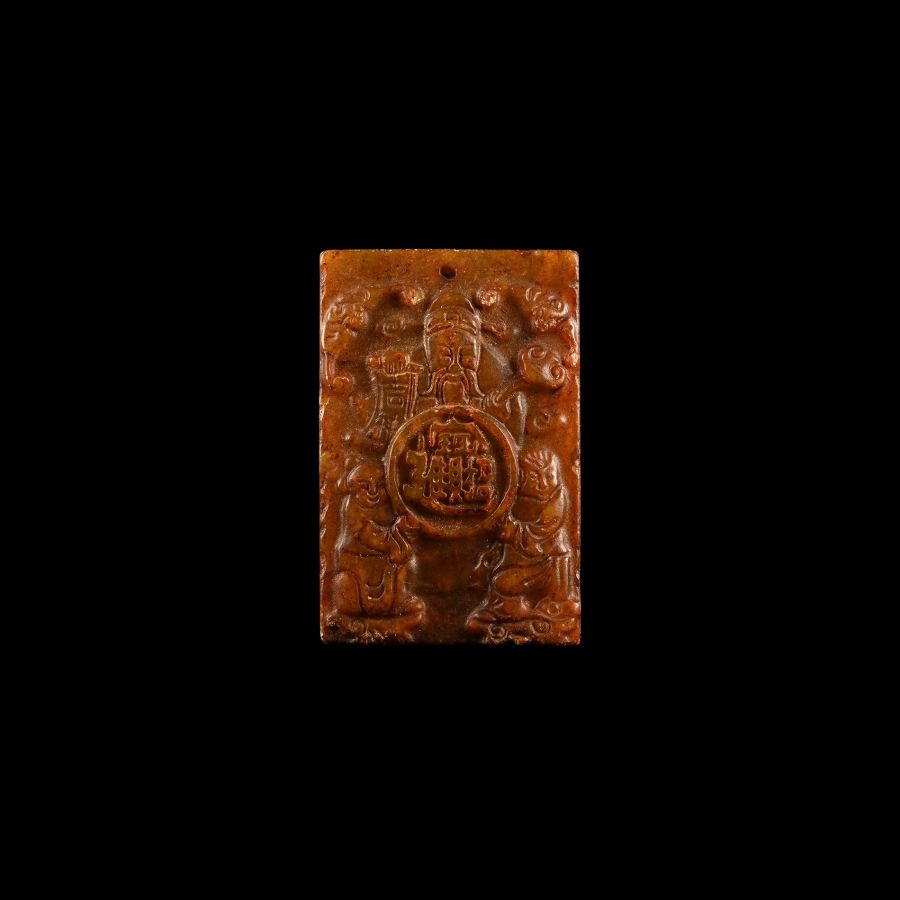
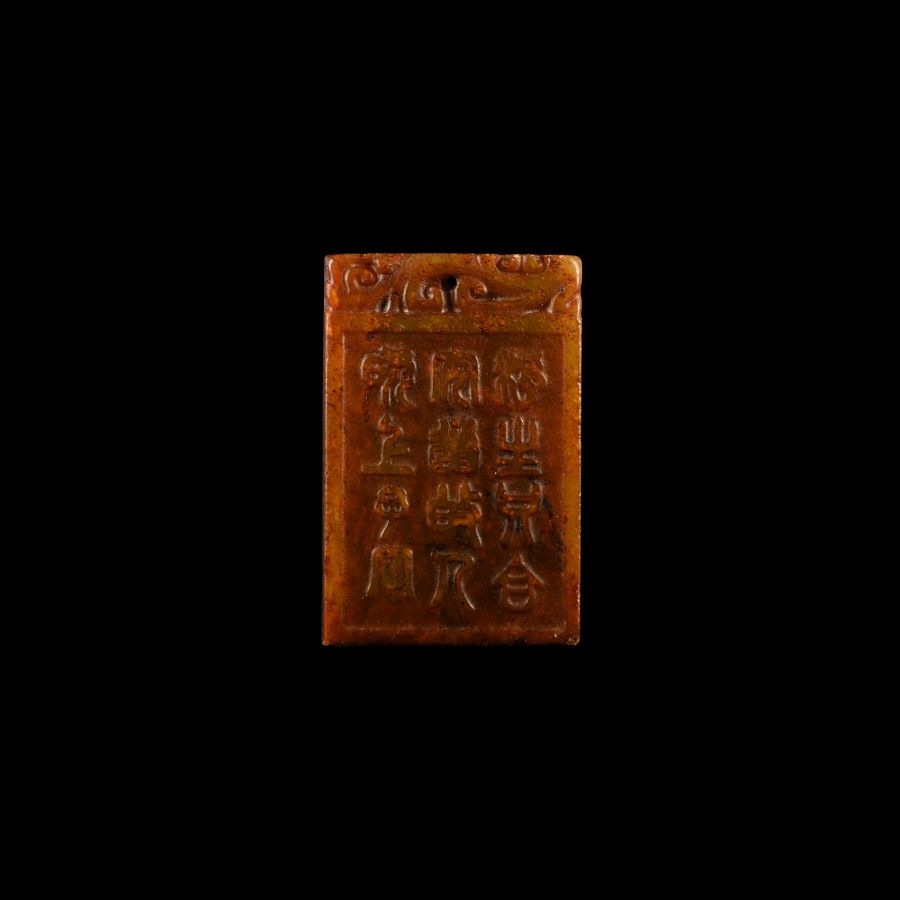
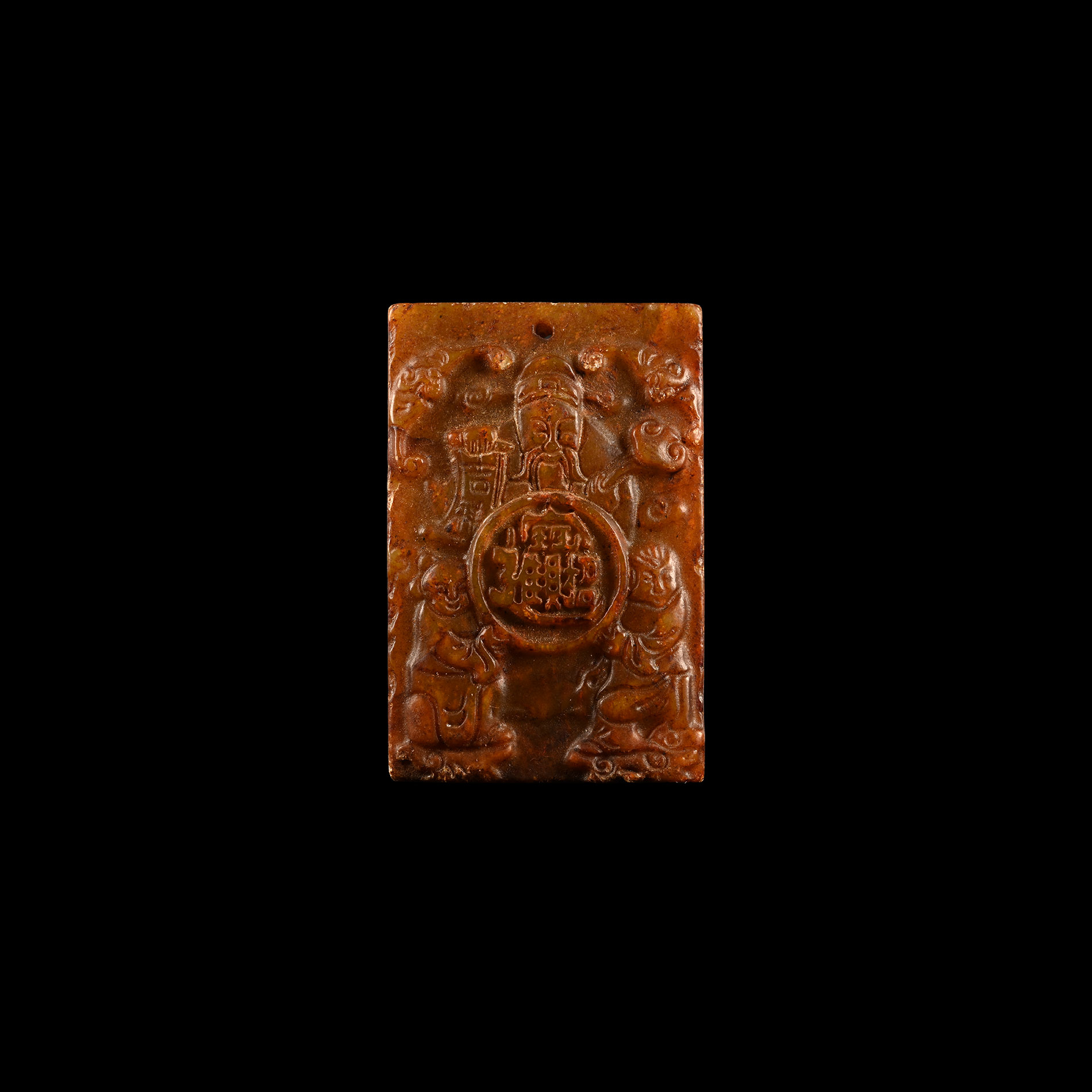
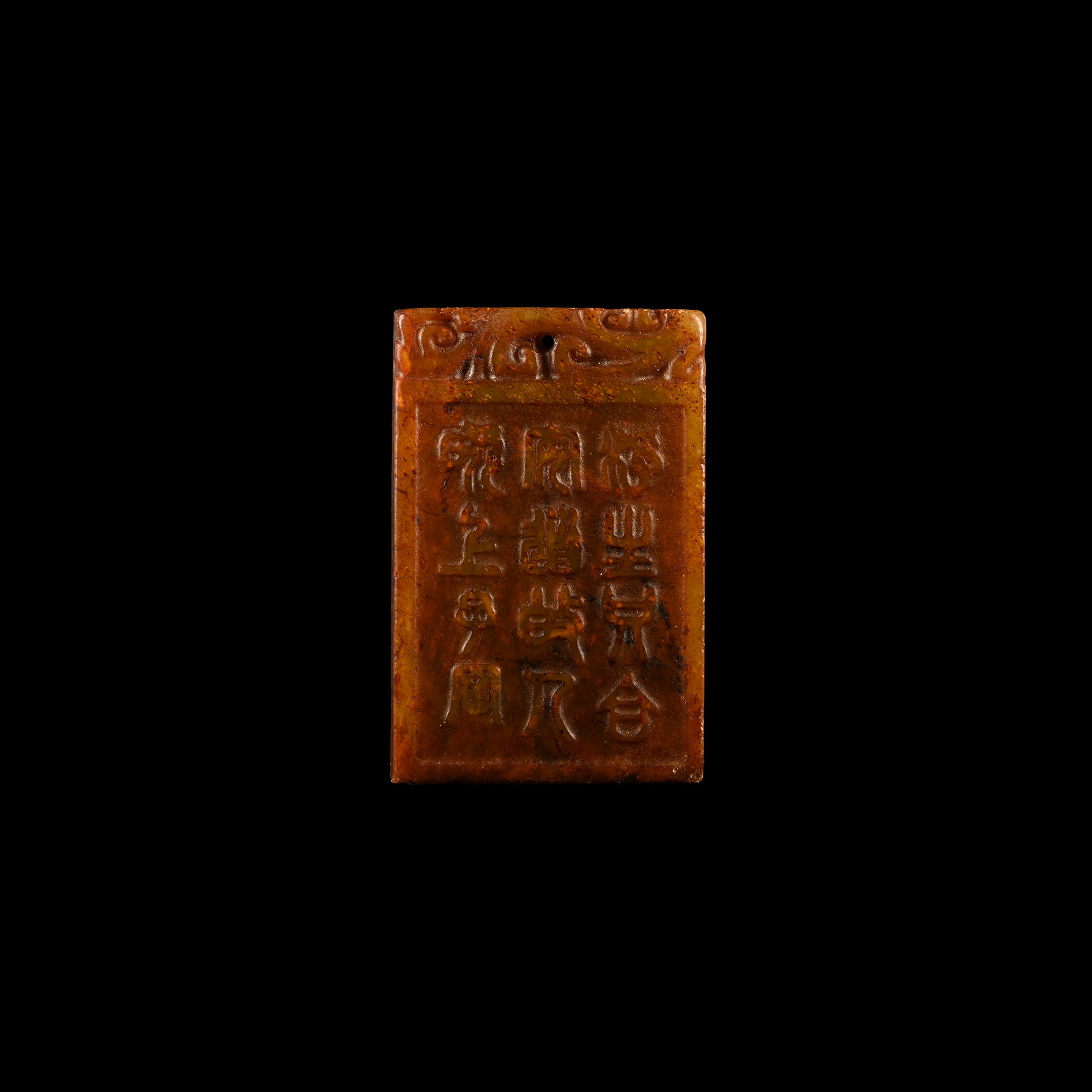
Chinese Glass Amuletic Plaque
20TH CENTURY A.D.
2 3/8 in. (46.6 grams, 60 mm).
Rectangular in form, displaying three figures around a central character within a roundel to one face; Chinese characters within a rectangular frame to the other; pierced for suspension. [No Reserve]
ProvenanceEx Paris gallery, France, 1990s.
CONDITIONTimeLine Auctions follows a vetting process to ensure the authenticity and legality of all items, reinforcing our commitment to integrity and responsible trading. Each antiquity, antique, and coin lot undergoes thorough examination by a vetting committee of at least ten external specialists, professional trade association members, scientists, and archaeologists: Our Vetting Process
AUCTIONS:
TimeLine is a leading auction house specialising in antiquities, ancient art, collectables, natural history, coins, medals, and books. Our auctions offer museums, collectors, historians, and enthusiasts the opportunity to acquire unique and historically significant pieces.
-
Chinese Han Style Bronze Animal Finial
19th century A.D. or earlierEstimate: £250 - 350 (+bp*)
Opening Bid: £125
Formed as the head of a fantastical creature, with bovine-like ears and eyes, bifurcated horns with erupting flowers, a lozenge in relief to its forehead and detailing to eyebrows and upper lip; hollow reverse with tapering rectangular lug. 90 grams, 60 mm high
Fine condition.
Acquired 1980-1990s. From a West Country collection. -
Chinese Mottled Green Jade Bowl
19th-20th century A.D.Sold for (Inc. bp): £130
With hemispherical body, everted rim and shallow foot. 147 grams, 12 cm diameter
Fine condition.
Ex the late Sir Roger Moss OBE collection. -
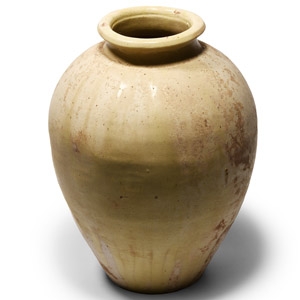
Chinese Tang Whiteware Jar
Tang Dynasty, 618-907 A.D.Sold for (Inc. bp): £143
Piriform in profile with broad mouth and rolled rim, cream glaze. 2.4 kg, 31 cm
Ex Cotswold, UK, collection, 1970-1990.
