
Loading, please wait...
LOT 2195
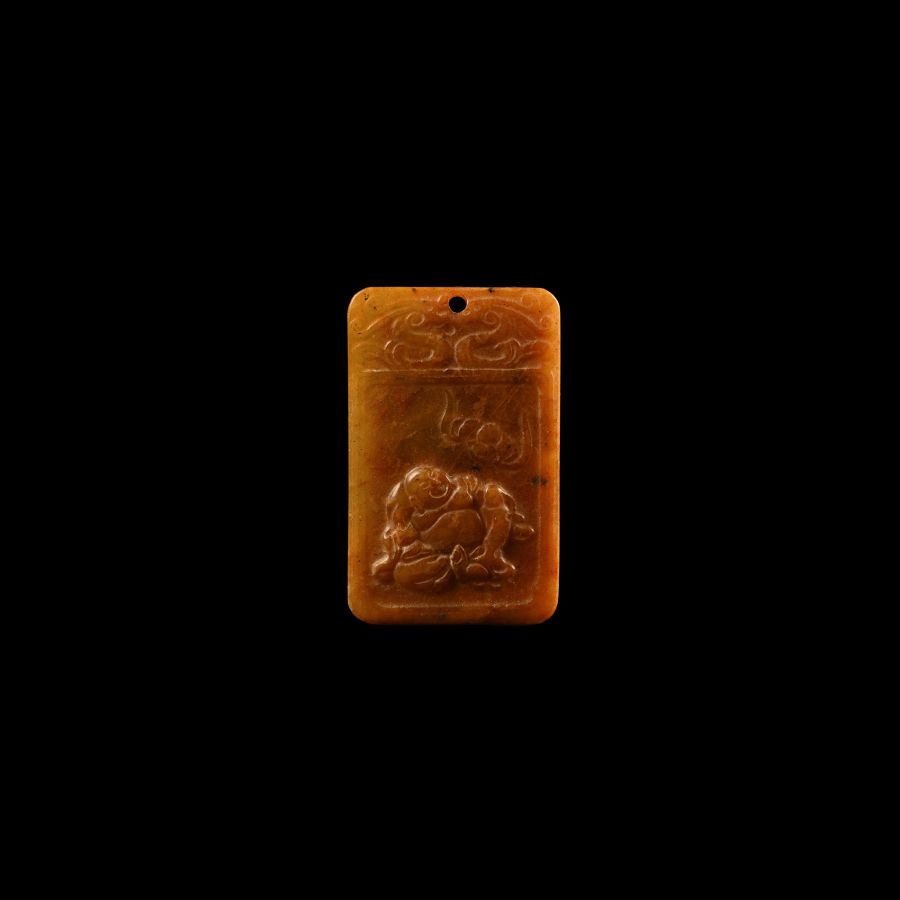
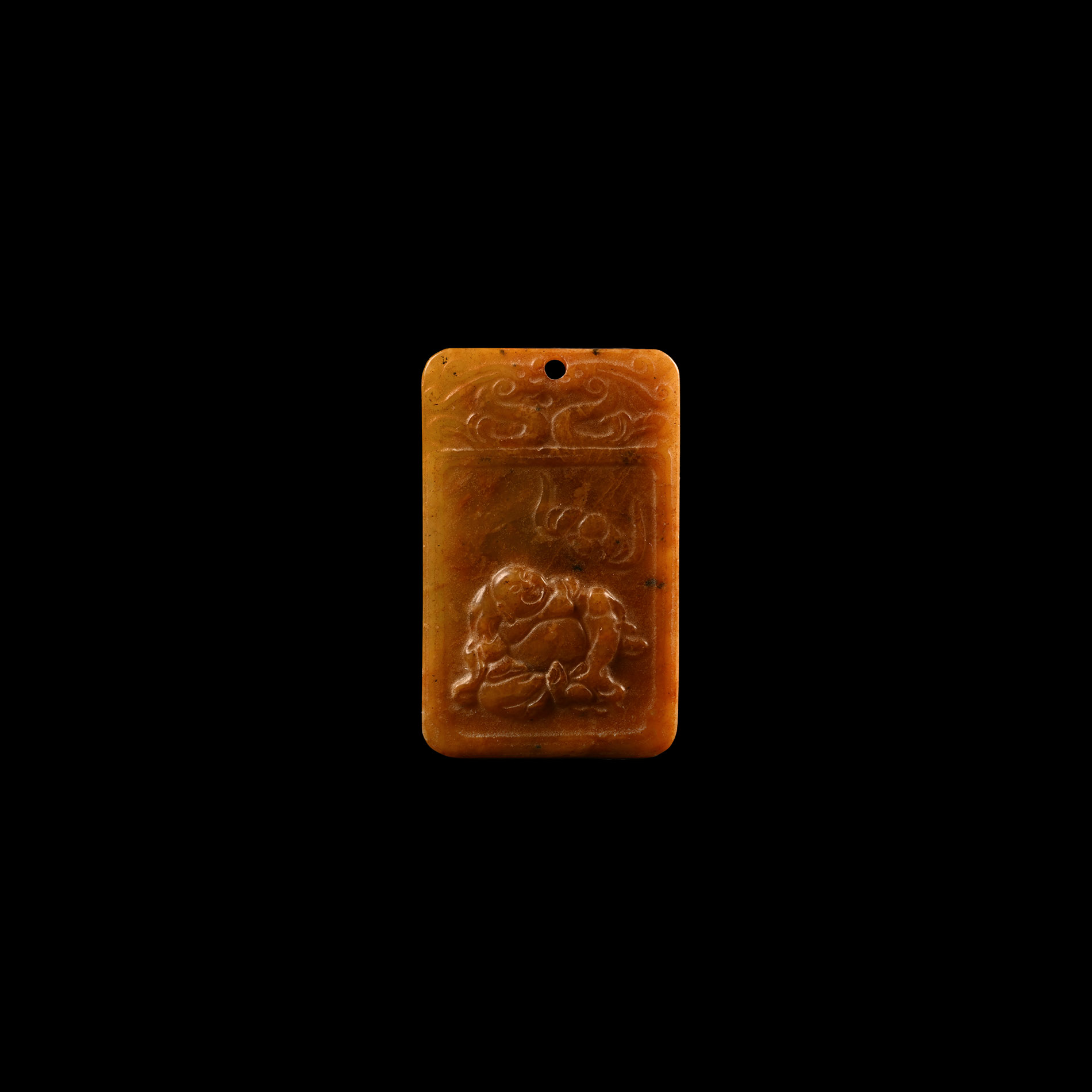
Chinese Glass Amuletic Plaque
20TH CENTURY A.D.
2 in. (25.9 grams, 52 mm).
Rectangular in shape and displaying a Buddha figure and swooping bird in relief, opposed serpentine beasts above; pierced for suspension. [No Reserve]
ProvenanceEx Paris gallery, France, 1990s.
CONDITIONTimeLine Auctions follows a vetting process to ensure the authenticity and legality of all items, reinforcing our commitment to integrity and responsible trading. Each antiquity, antique, and coin lot undergoes thorough examination by a vetting committee of at least ten external specialists, professional trade association members, scientists, and archaeologists: Our Vetting Process
AUCTIONS:
TimeLine is a leading auction house specialising in antiquities, ancient art, collectables, natural history, coins, medals, and books. Our auctions offer museums, collectors, historians, and enthusiasts the opportunity to acquire unique and historically significant pieces.
-
.jpg)
Chinese Tang Ceramic Horse with Musician
Tang Dynasty, 618-907 A.D.Estimate: £1,800 - 2,400 (+bp*)
Opening Bid: £1,000
Modelled standing with mounted rider playing a drum, the horse with semi-naturalistic anatomical detailing, cropped mane, dressed tail, saddle and decorative saddle cloth; extensive remains of painted pigmentation; standing on an integral rectangular base; repaired. 2.7 kg, 38.5 cm high
Fine condition, repaired.
Acquired 1990s. West Country, UK, collection. This lot has been checked against the Interpol Database of stolen works of art and is accompanied by search certificate no.11359-192667. -
.jpg)
Chinese Jade Snuff Bottle
19th century A.D.Estimate: £400 - 600 (+bp*)
Opening Bid: £160
Bearing a figural scene in relief of an attendant serving tea to a seated scholar to one face and characters to the other; polished stone cabochon in the stopper. 94.6 grams, 62 mm high
Property of a lady, from her grandfather's collection, 1960s-1970s; thence by descent. -
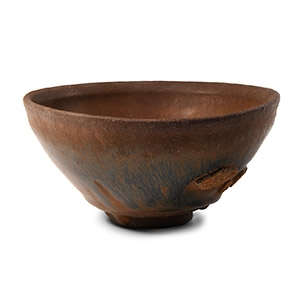
Chinese Song Jianyao 'Hare's Fur' Tea Bowl
Song Dynasty, 960-1279 A.D. or laterEstimate: £200 - 300 (+bp*)
Opening Bid: £50
With carination to the inner lip, conical body and narrow basal ring; the interior partly decorated with a lustrous blackish glaze with streaks of blue-silver 'hare's fur' markings. 318 grams, 13.3 cm wide
From a late Japanese specialist collector, 1970-2000s.
