
Loading, please wait...
LOT 2021
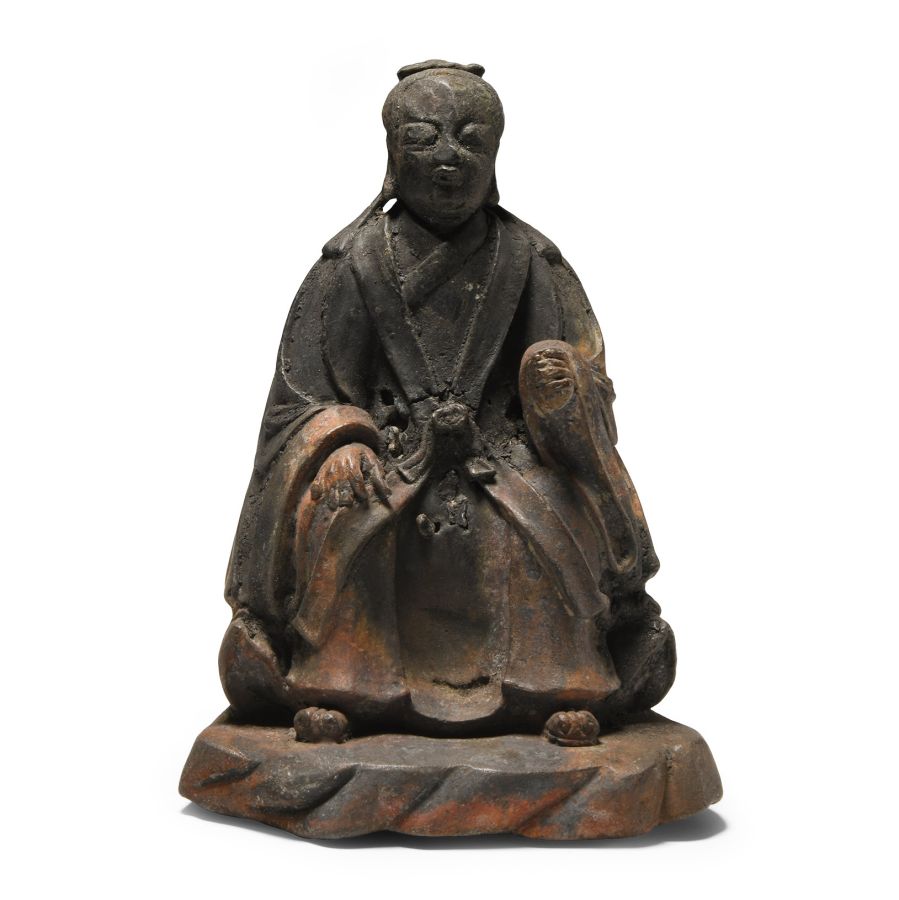
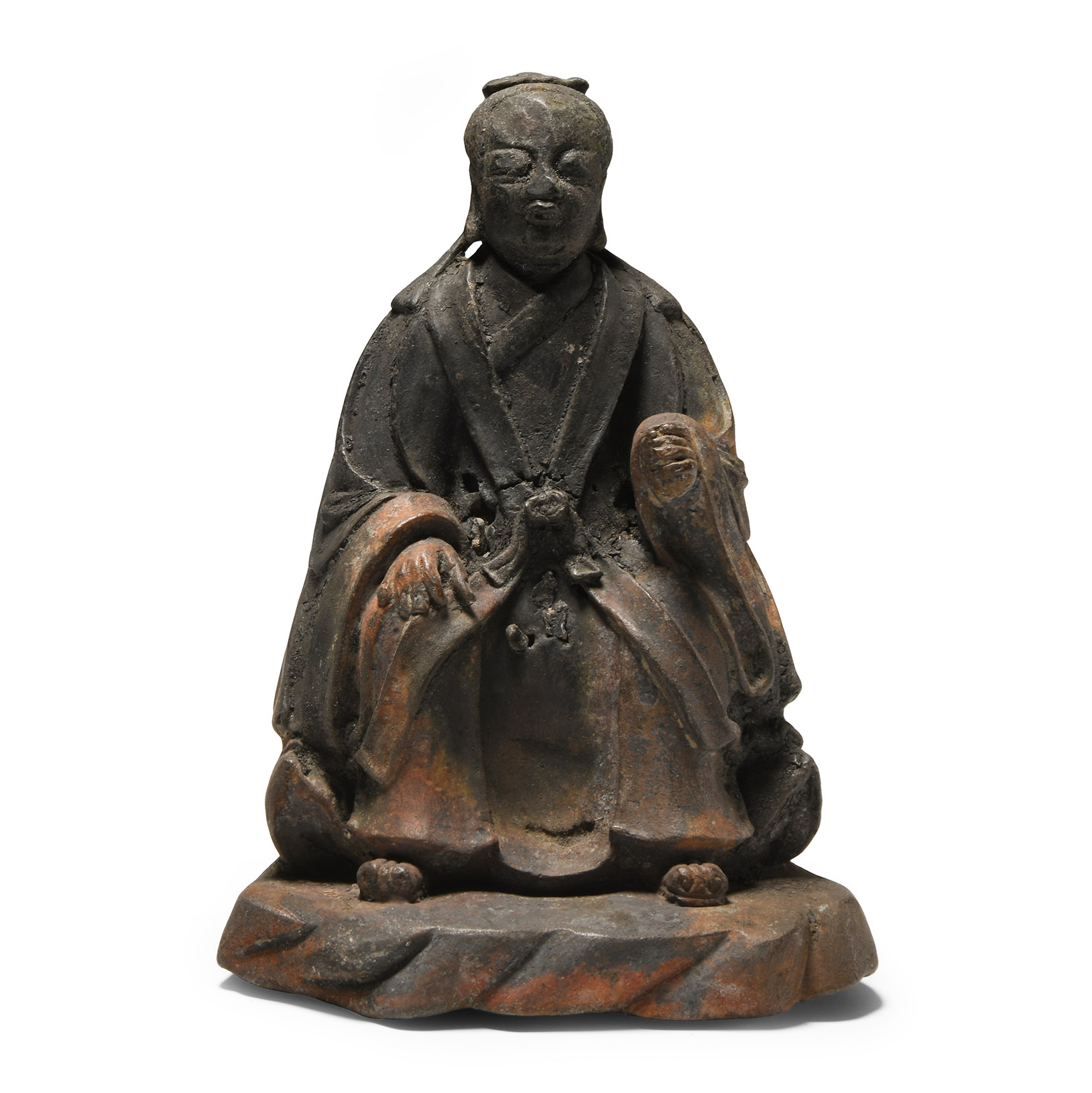
Chinese Bronze Seated Buddha Statue
CIRCA 19TH CENTURY A.D. OR LATER.
5 1/2 in. (620 grams, 14 cm).
Hollow-formed figure of Buddha seated on a dais wearing ankle-length robes secured at the waist with an elaborate sash; hair dressed and tied with a similar fastening; left hand raised, right hand resting. [No Reserve]
ProvenanceFrom a collection acquired on the UK art market from various auction houses and collections mostly before 2000.
From an important Cambridgeshire estate; thence by descent.
TimeLine Auctions follows a vetting process to ensure the authenticity and legality of all items, reinforcing our commitment to integrity and responsible trading. Each antiquity, antique, and coin lot undergoes thorough examination by a vetting committee of at least ten external specialists, professional trade association members, scientists, and archaeologists: Our Vetting Process
AUCTIONS:
TimeLine is a leading auction house specialising in antiquities, ancient art, collectables, natural history, coins, medals, and books. Our auctions offer museums, collectors, historians, and enthusiasts the opportunity to acquire unique and historically significant pieces.
-
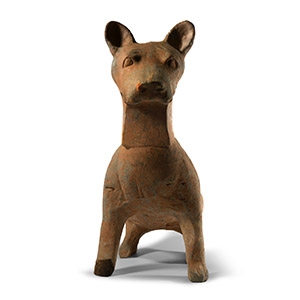
Chinese Han Terracotta Guardian Dog Statue
Han Dynasty, 206 B.C.-220 A.D or laterSold for (Inc. bp): £520
Modelled in the round with forelegs set wide and head slightly tilted, integral harness with loop to the rear of the shoulders; hollow-formed. 4.65 kg, 24.5 cm high
From a collection acquired on the UK art market from various auction houses and collections mostly before 2000. From an important Cambridgeshire estate; thence by descent. Accompanied by an inconclusive thermoluminescence analysis report from Oxford Authentication no.C124d5. -
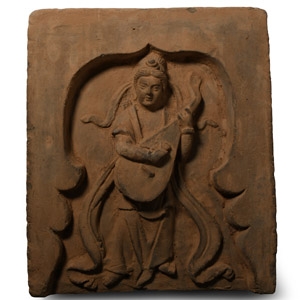
Chinese Song Terracotta Tile
Song Dynasty, 960-1279 A.D. or laterEstimate: £180 - 240 (+bp*)
Opening Bid: £90
Rectangular in plan with recessed scrolled arch, figure modelled in the half-round of a female musician with pipa (Chinese lute), flowing robes with billowing ribbons to the sides. 6.5 kg, 33 cm
Ex West Country, UK, collection, 1980-1990s. -
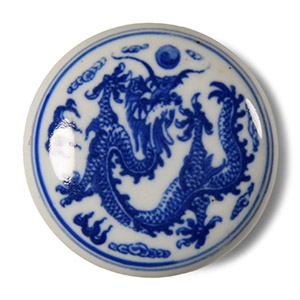
Chinese Porcelain Two-Part Pigment Reservoir
20th century A.D.Sold for (Inc. bp): £13
With domed lid and dished body, basal ring and four-character legend; red pigment within and manufacturer's label. 75 grams, 59 mm
Ex London, UK collection, 1990s.
