
Loading, please wait...
LOT 2078
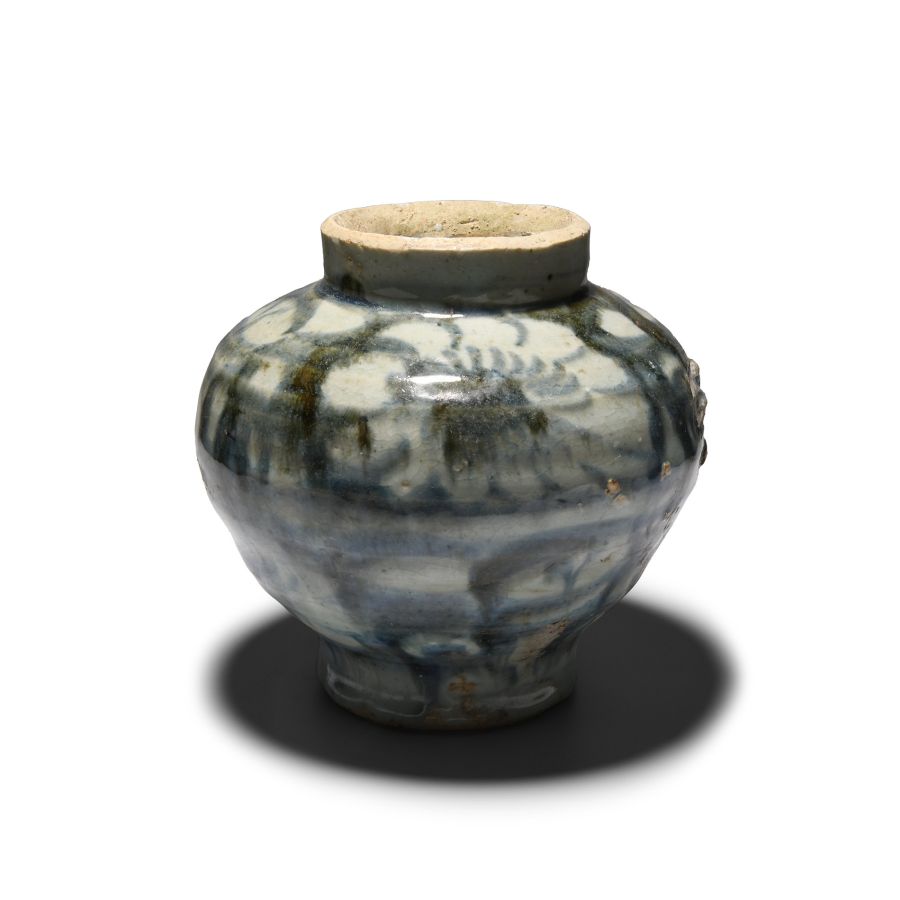
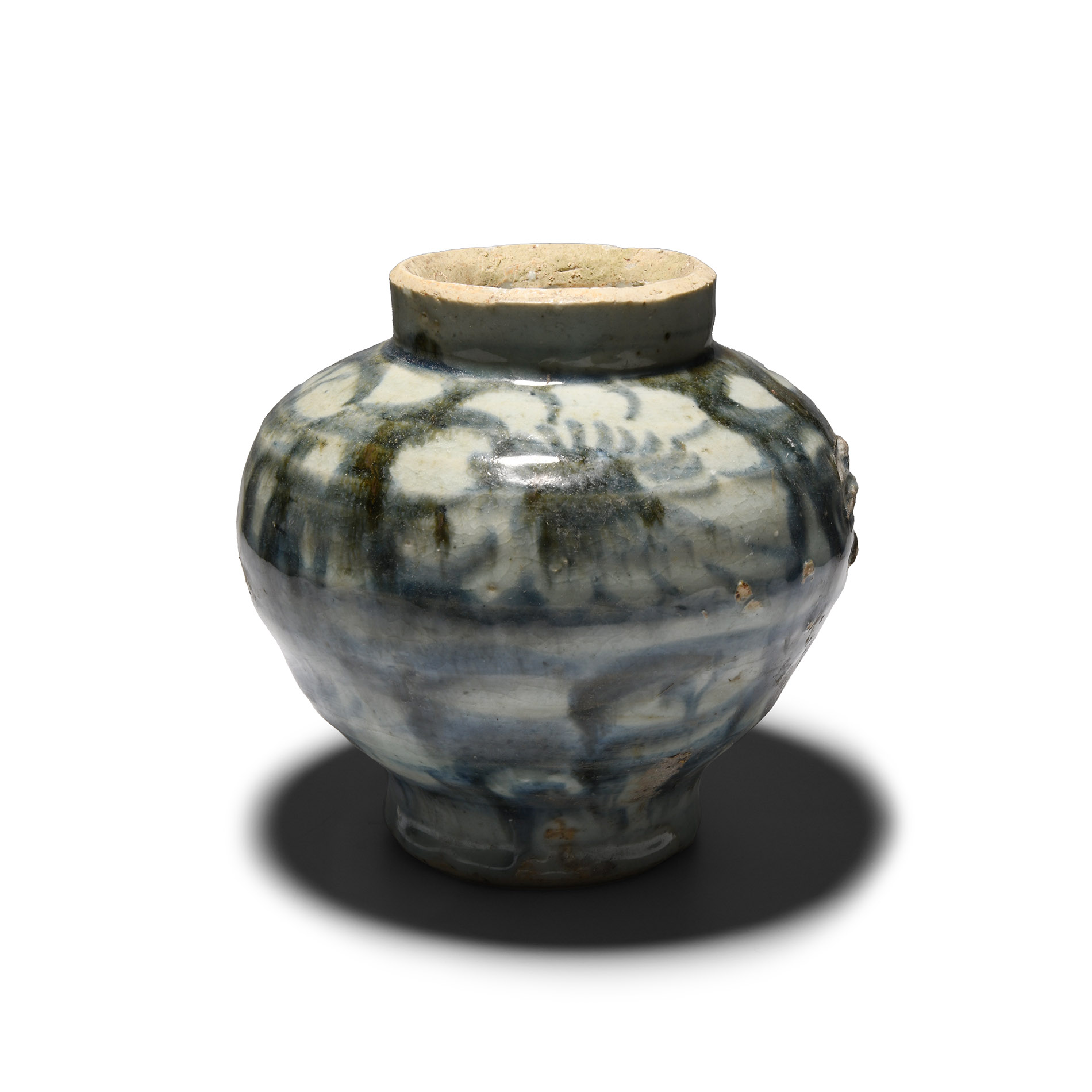
Chinese Blue and White Jar
15TH-17TH CENTURY A.D.
7 1/8 in. (1.27 kg, 18 cm cm wide).
Glazed with carinated profile, deep shoulder and narrow raised rim, dense dark blue floral motifs and shallow foot.
ProvenanceEx Hong Kong collection, 1970-1990s.
CONDITIONTimeLine Auctions follows a vetting process to ensure the authenticity and legality of all items, reinforcing our commitment to integrity and responsible trading. Each antiquity, antique, and coin lot undergoes thorough examination by a vetting committee of at least ten external specialists, professional trade association members, scientists, and archaeologists: Our Vetting Process
AUCTIONS:
TimeLine is a leading auction house specialising in antiquities, ancient art, collectables, natural history, coins, medals, and books. Our auctions offer museums, collectors, historians, and enthusiasts the opportunity to acquire unique and historically significant pieces.
LOT 2078
Chinese Blue and White Jar
Estimate £100 - 140€120 - 160 (for guidance only)$140 - 190 (for guidance only)
-
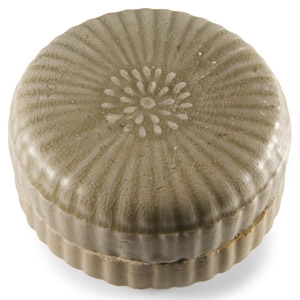
Chinese Song Celadon Glazed Box
Song Dynasty, 960-1279 A.D. or laterSold for (Inc. bp): £91
Two-part container with ribbed lid and sidewall, central rosette. 428 grams, 11.5 cm diamter
From the H.N. collection, Milton Keynes, Berkshire, UK, 1990s. -
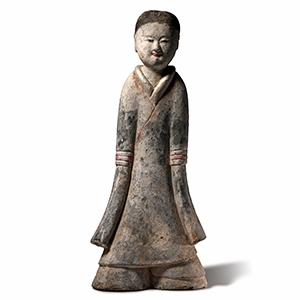
Large Chinese Han Terracotta Dancer
Han Dynasty, 206 B.C.-220 A.D. or laterSold for (Inc. bp): £1,430
Hollow-formed figure modelled in the round of a dancer wearing a cross-over jacket with bell sleeves hanging at her sides, hair drawn back and secured in a chignon. 4.4 kg, 45 cm high
From a West Country, UK, collection, formed in the 1990s. -
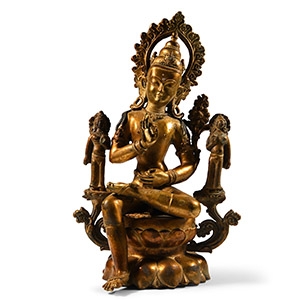
Sino-Tibetan Gilt Bronze Buddha Statue
20th century A.D.Estimate: £500 - 700 (+bp*)
Opening Bid: £250
Sitting nude on a lotus-flower base with openwork mandorla behind the tiered crown, bloom on the left arm curled around the wrist and two more emerging from the base bearing bodhisattva figures; hands in the teaching gesture (Dharmachakra Mudra), cabochon stud to the brow for the urna. 2.7 kg, 30.5 cm
Ex North West London, UK, collection, 1990-2000.
