Loading, please wait...
LOT 2177
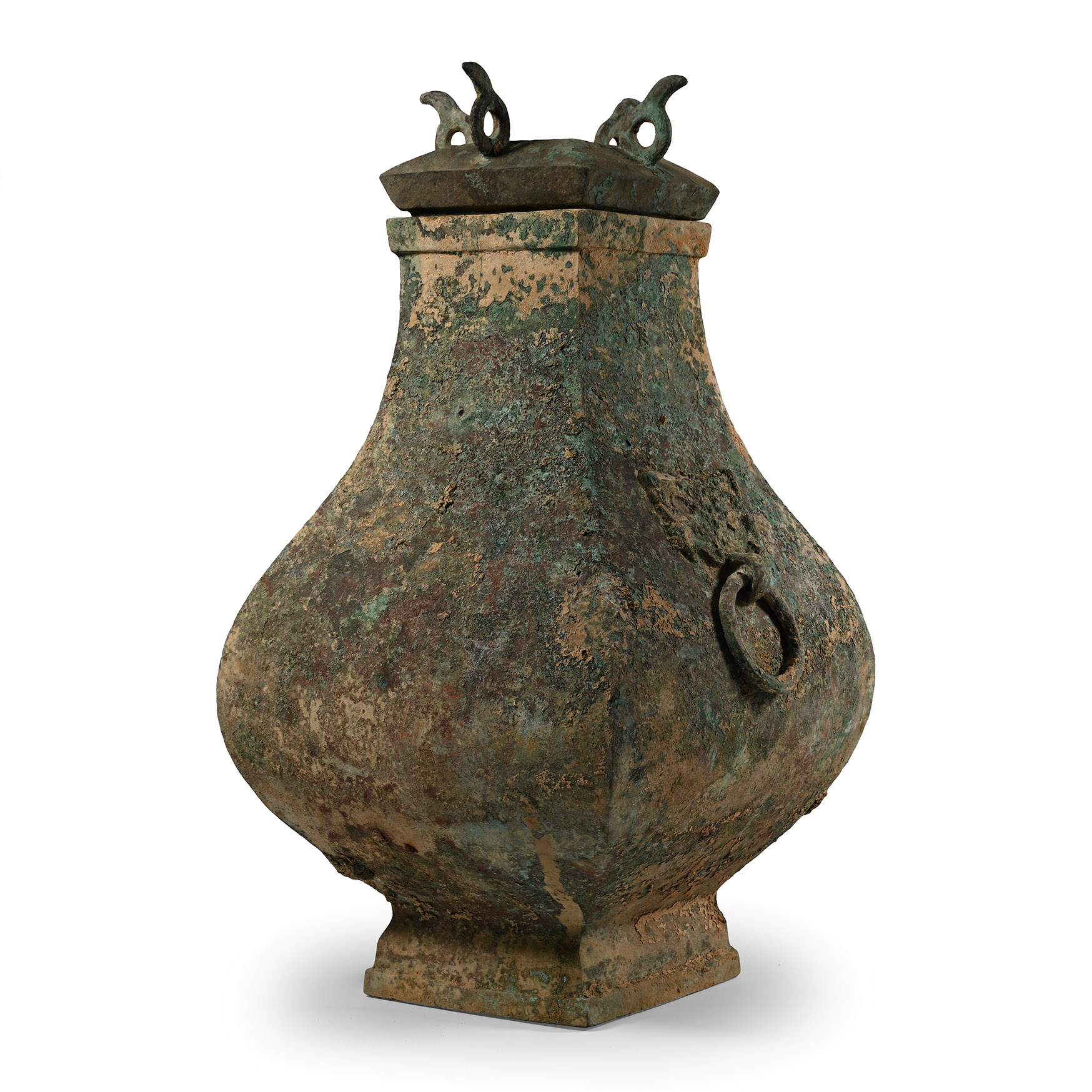
Chinese Archaic Style Bronze Vessel
20TH CENTURY A.D.
13 1/4 in. (4 kg, 33.5 cm).
A fang hu in Han style, of baluster form, cushion-shaped lid with four suspension loops, two lion-head appliqués, each with an articulate ring handle below.
ProvenanceEx London, UK, art market, 1990s.
CONDITIONTimeLine Auctions follows a vetting process to ensure the authenticity and legality of all items, reinforcing our commitment to integrity and responsible trading. Each antiquity, antique, and coin lot undergoes thorough examination by a vetting committee of at least ten external specialists, professional trade association members, scientists, and archaeologists: Our Vetting Process
AUCTIONS:
TimeLine is a leading auction house specialising in antiquities, ancient art, collectables, natural history, coins, medals, and books. Our auctions offer museums, collectors, historians, and enthusiasts the opportunity to acquire unique and historically significant pieces.
-
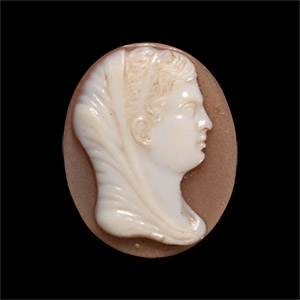
Bronze Arabic Seal Matrix Collection
Circa 18th century A.D.Sold for (Inc. bp): £7
Three matrices featuring discoid dies and openwork stems; one with an oval die and columnar stem with tapering finial; each engraved with calligraphic Arabic script or initials to the base. 24.8 grams total, 21-23 mm
Acquired on the UK art market. Property of a Ruislip, UK, gentleman, by inheritance. -
Post Medieval Glazed Ceramic Tile Group
17th-18th century A.D.Sold for (Inc. bp): £52
Comprising two designs in relief: three horses in an enclosure; two felines grappling with each other. 1.24 kg total, 9.4 x 10 - 9.5 x 10.4 cm
Acquired 1990s-early 2000s. East Anglian private collection.
The tile production increases in the second half of the sixteenth century and during the following centuries. The fragments discovered from various localities (pot-tiles, rectangular, triangular and trapezoidal panels, open-work crest tiles) were all produced in regional workshops, from the end of the 15th century or at the beginning of the 16th century. They all had diverse decorative motifs, mainly animals and geometrical or vegetal combinations, almost all of them singular finds for this study area. -
Medieval Style 'Billy and Charlie' Fantasy Pendant
19th century A.D.Sold for (Inc. bp): £104
By William Smith and Charles Eaton; obverse: robed figure with keys; reverse: two combatants with swords. 78 grams, 95 mm
From the collection of the famous author, writer and speaker, Gordon Bailey, Essex, UK; formed since 1968.
"Billy and Charlies", also known as the Shadwell forgeries, refer to a very extensive series of fake antiquities made in Victorian London by William Smith (Billy) and Charles Eaton (Charley). They were mudlarks who searched the Thames for items of value. William Edwards, a London antique dealer, made Billy's acquaintance around 1845, and he met Charley some years later. He paid them for items of interest that they found. Billy and Charley earned money from this until 1857, when they decided to counterfeit antiquities. They cast objects from lead or pewter, cutting dies into plaster of Paris moulds with nails and knives, and bathing the finished items in acid to simulate aging. Their commonest products were medallions, but others included daggers, statuettes, ampullae and even small shrines; as they were both illiterate the inscriptions on many of the objects are nonsense. They sold their forgeries to very prominent collectors of the time who thought they were genuine. Eventually, due to the large volume of objects that were appearing on the market, they were arrested and tried at court though they could not be found guilty of any crime at the time. They were released and carried on producing fakes but their style of manufacture had become well known and they eventually disappeared from history.