
Loading, please wait...
LOT 1124
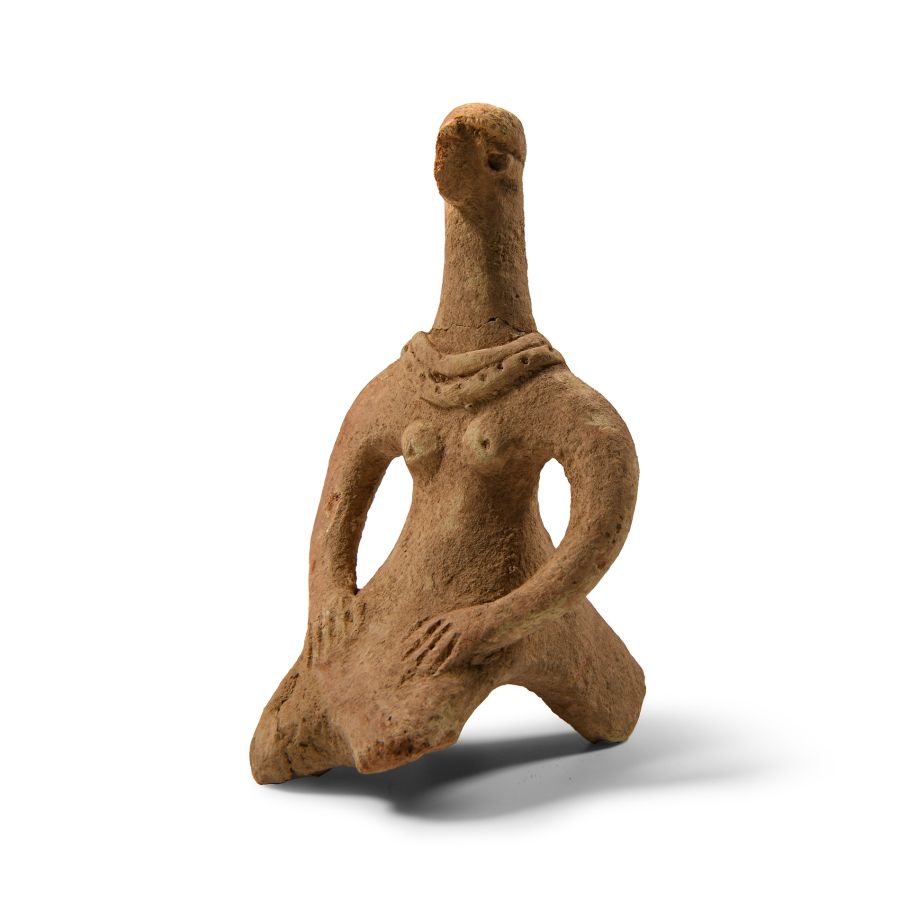
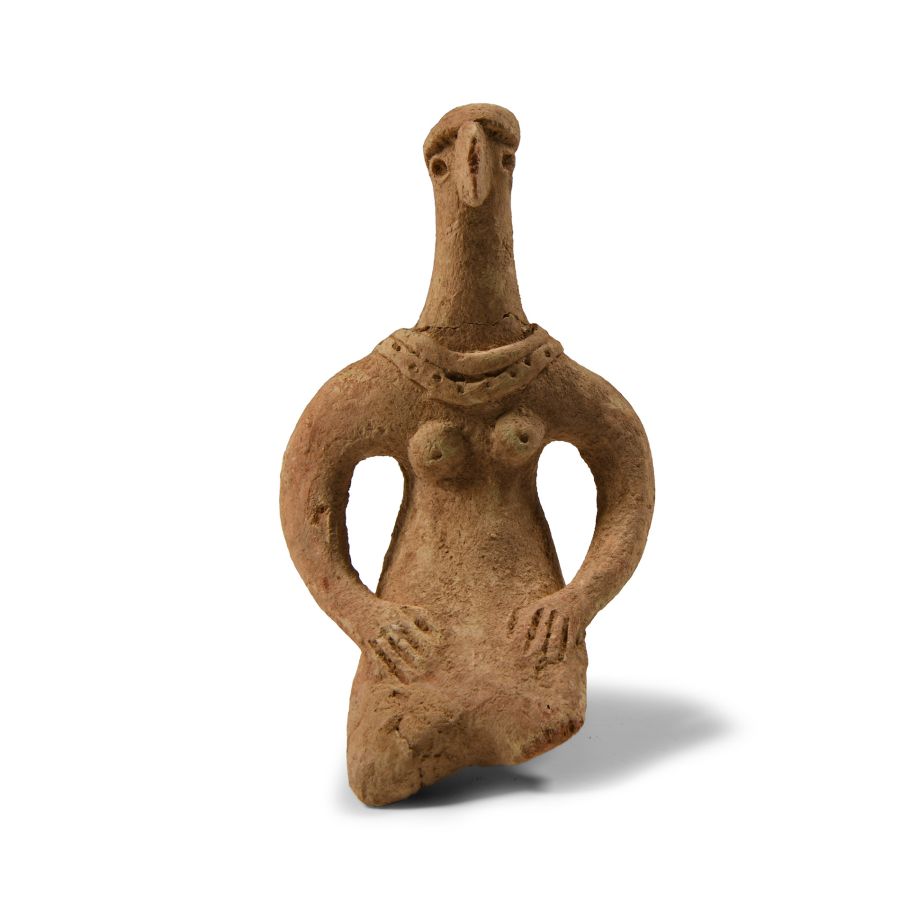
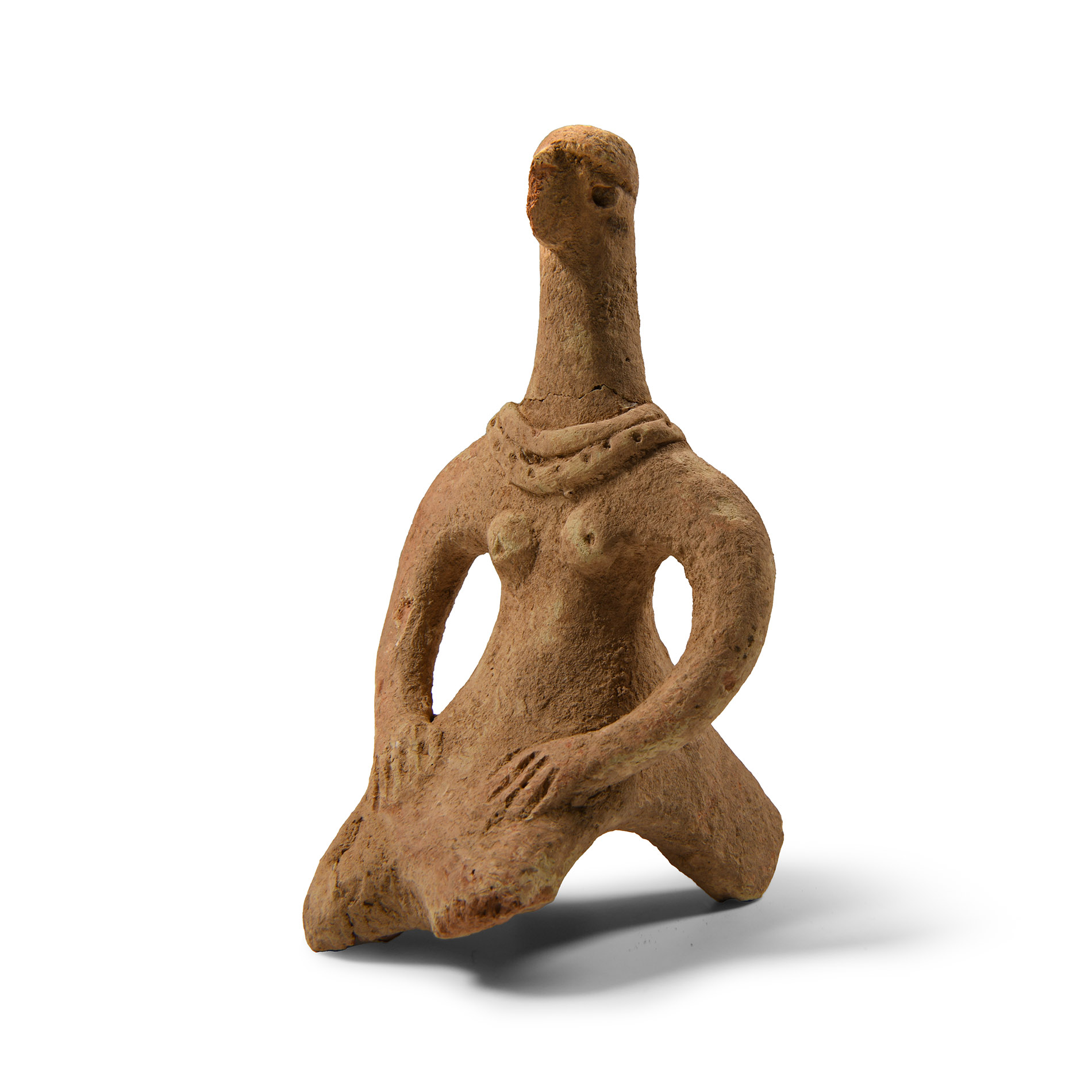
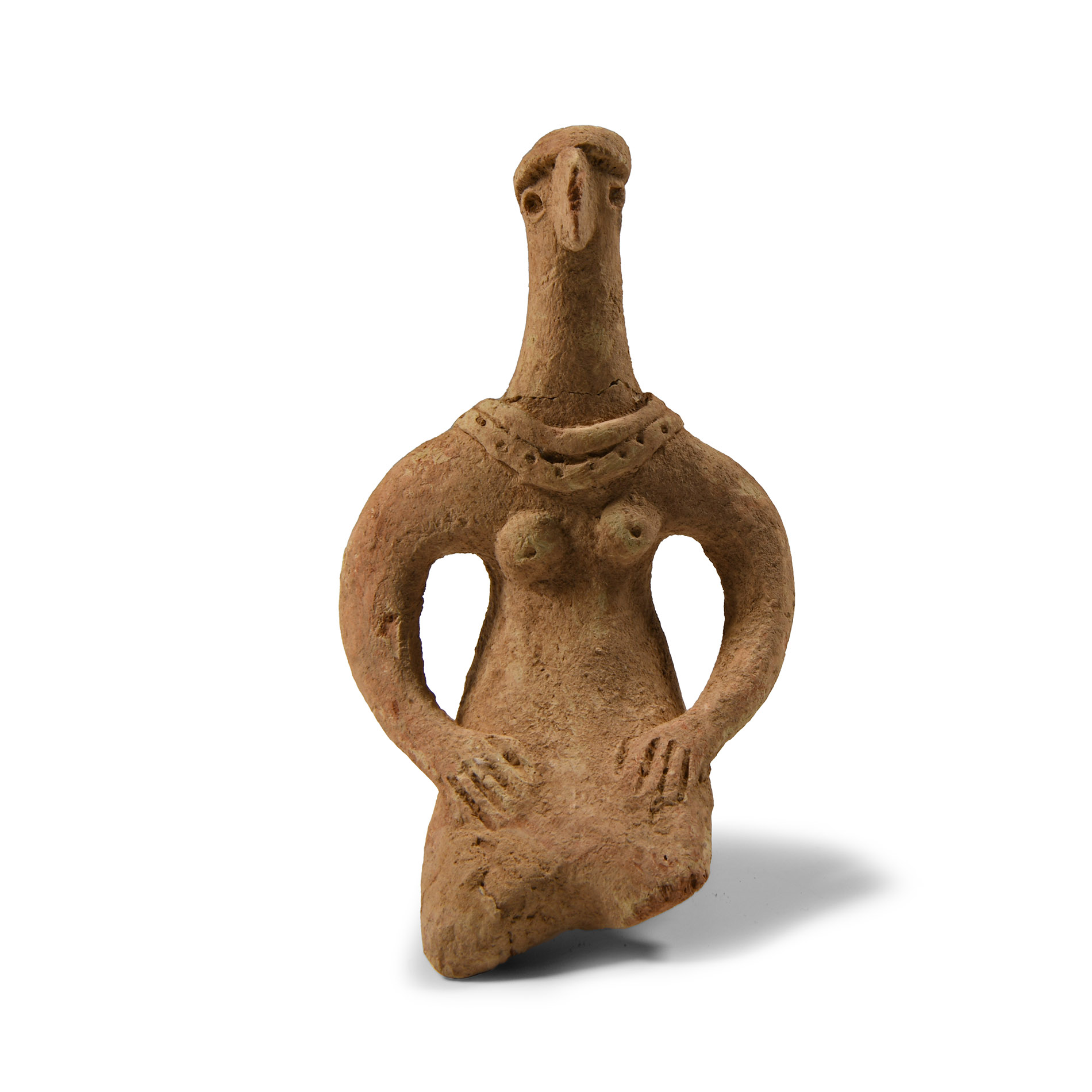
Chalcolithic Terracotta Female Figure
3RD MILLENNIUM B.C.
4 7/8 in. (130 grams, 12.5 cm).
Modelled in the round kneeling female figure with hands placed on the hips, applied breasts and hair, pinched facial features, impressed eyes and detailing to the collars; flared legs to the reverse. [No Reserve]
ProvenanceAcquired 1979-1999.
From the collection of a late London, UK, gentleman.
TimeLine Auctions follows a vetting process to ensure the authenticity and legality of all items, reinforcing our commitment to integrity and responsible trading. Each antiquity, antique, and coin lot undergoes thorough examination by a vetting committee of at least ten external specialists, professional trade association members, scientists, and archaeologists: Our Vetting Process
AUCTIONS:
TimeLine is a leading auction house specialising in antiquities, ancient art, collectables, natural history, coins, medals, and books. Our auctions offer museums, collectors, historians, and enthusiasts the opportunity to acquire unique and historically significant pieces.
-
.jpg)
Large Mesopotamian Stone Stamp Seal with Lamassu
Circa 2000 B.C.Estimate: £800 - 1,000 (+bp*)
Opening Bid: £400
Plano-convex in section with broad face, incuse profile image of a lamassu (winged bull with a human head) with pellets and objects in the field. 70 grams, 59 mm
Collected from 1969-1999. From the collection of the late Mr S.M., London, UK. -
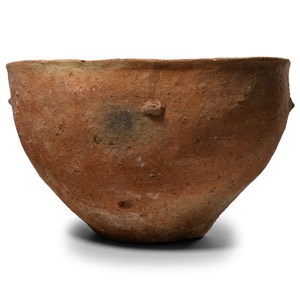
Trans Jordan Terracotta Bowl
Early Bronze Age I, 3rd millennium B.C.Sold for (Inc. bp): £117
Of hemispherical profile with everted rim, five radiating ledge handles to the shoulder. 1.64 kg, 25.5 cm wide
From an important collection of terracotta pre 1988, London and Geneva. -
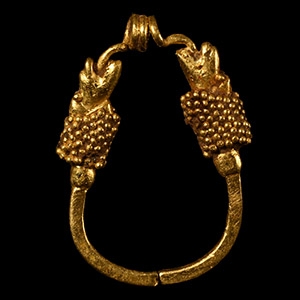
Western Asiatic Gold Nose-Ring with Animal-Heads
Circa 1st millennium B.C.Estimate: £300 - 400 (+bp*)
Opening Bid: £167
Comprising two hooked rectangular-section arms joined by a coiled spring, each arm with a beast head with open jaws from which the spring emerges, thick granulated collar behind the heads. 3.72 grams, 25 mm
Ex property of a late Japanese collector, 1970-2000s.
