
Loading, please wait...
LOT 1274
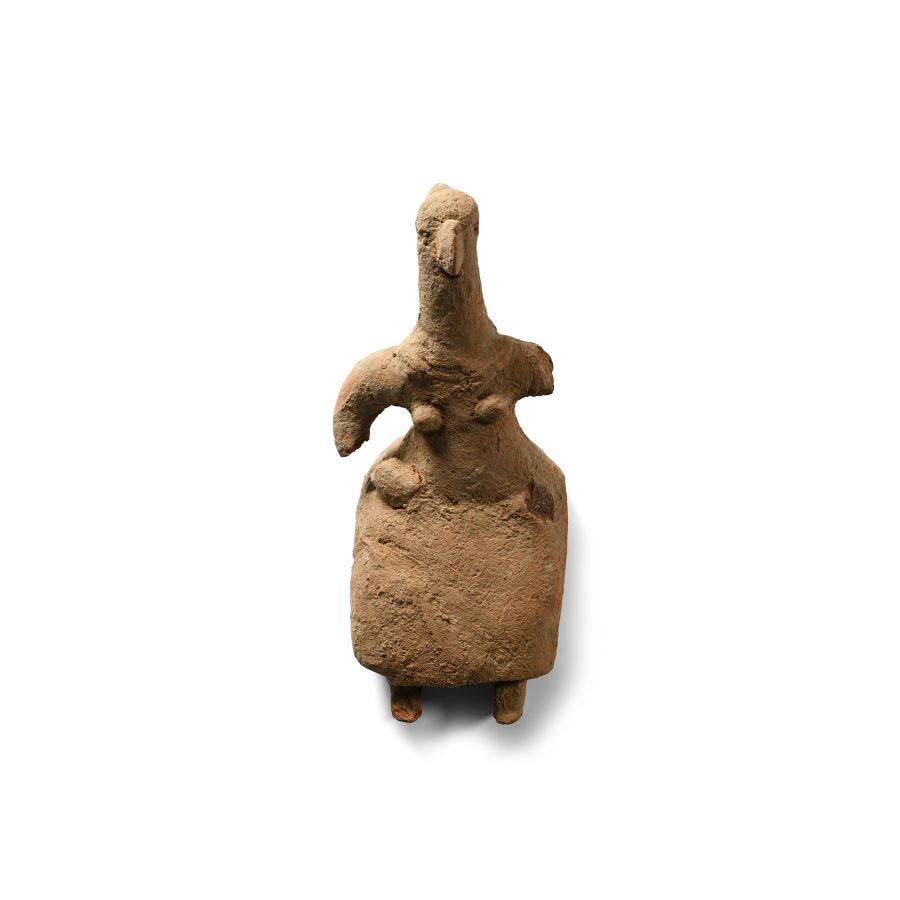
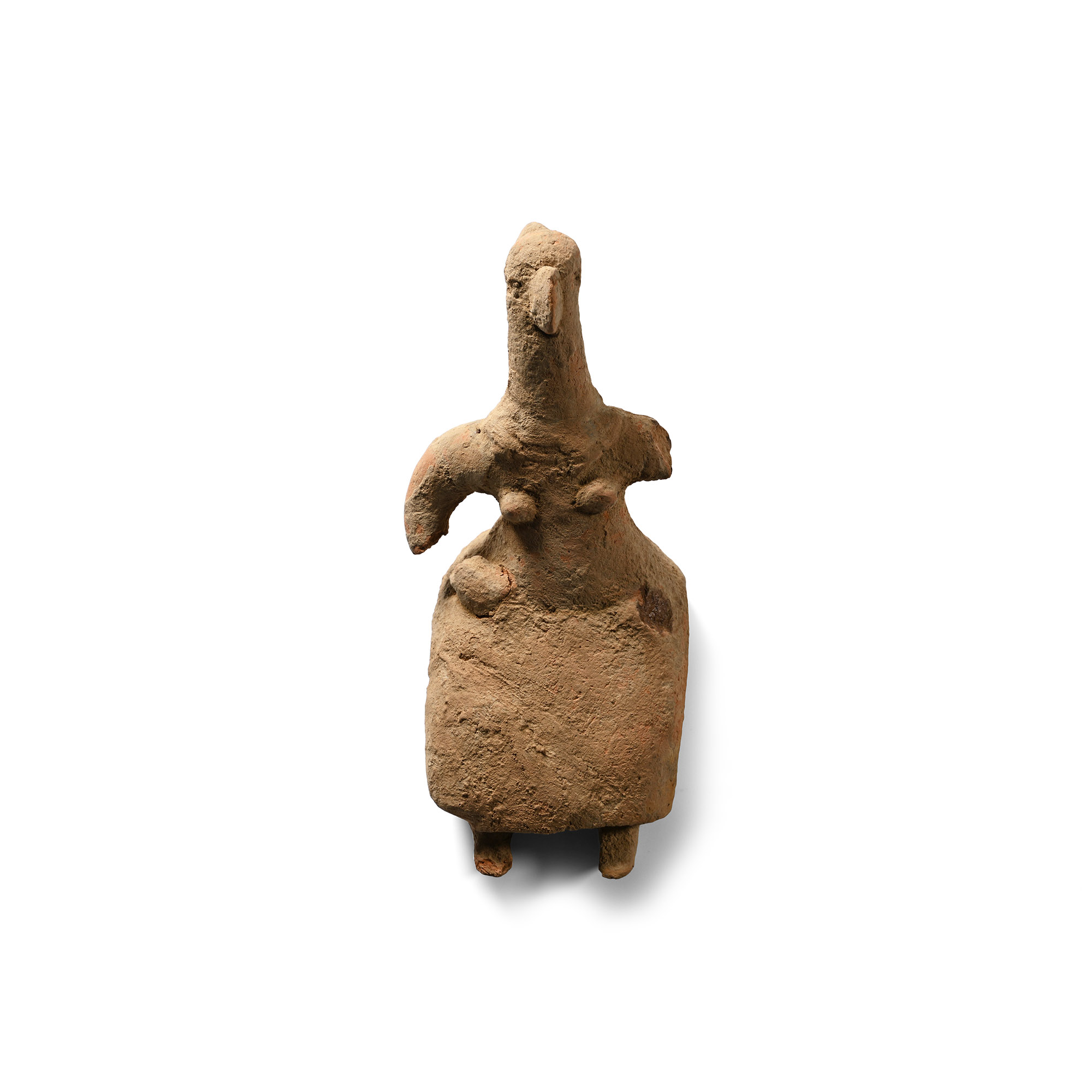
Chalcolithic Seated Terracotta Figure
3RD MILLENNIUM B.C.
5 1/8 in. (128 grams, 13 cm high).
Modelled in the round seated figure with looped arms and applied collar, pinched nose.
ProvenanceEx important collection of a late gentleman, 1980s.
This lot has been cleared against the Art Loss Register database, and is accompanied by an illustrated lot declaration signed by the Head of the Antiquities Department, Dr Raffaele D'Amato.
TimeLine Auctions follows a vetting process to ensure the authenticity and legality of all items, reinforcing our commitment to integrity and responsible trading. Each antiquity, antique, and coin lot undergoes thorough examination by a vetting committee of at least ten external specialists, professional trade association members, scientists, and archaeologists: Our Vetting Process
AUCTIONS:
TimeLine is a leading auction house specialising in antiquities, ancient art, collectables, natural history, coins, medals, and books. Our auctions offer museums, collectors, historians, and enthusiasts the opportunity to acquire unique and historically significant pieces.
-
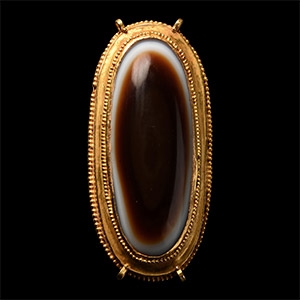
Bactrian Gold Pendant with Agate Bead
4th-2nd century B.C.Sold for (Inc. bp): £3,640
Stepped frame with bands of granulation and four small suspension loops, inset oval banded agate cabochon. 14.6 grams, 50 mm
Yvette Raoux, Paris, 1960s-1980s. Acquired by the current owner in 1989. with Christie's, Ancient Jewelry, New York, 6 December 2007, no.466. This lot has been checked against the Interpol Database of stolen works of art and is accompanied by search certificate number no.12977-243176. -
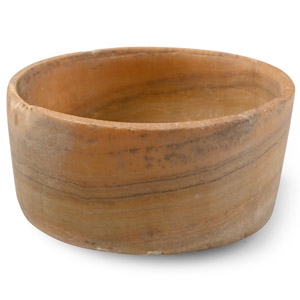
Mesopotamian Stone Vessel
1st millennium B.C.Sold for (Inc. bp): £117
Squat in profile with slightly rounded base, low sidewall, rounded rim. 192 grams, 85 mm
Ex Mayfair, London, UK, gallery, 2000s. -
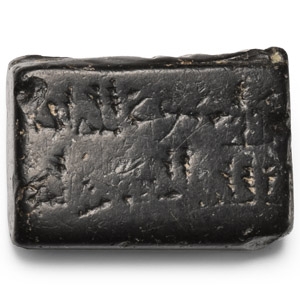
Western Asiatic Inscribed Stone Tablet
1st millennium B.C.Estimate: £150 - 200 (+bp*)
Opening Bid: £75
Rectangular in plan with pointillé cuneiform text to both broad faces. 9.8 grams, 27 mm
From the 'S' collection, acquired 1970-1990s. The collection was seen and studied by W.G. Lambert, late Professor of Assyriology at the University of Birmingham, 1970-1993. This lot has been cleared against the Art Loss Register database, and is accompanied by an illustrated lot declaration signed by the Head of the Antiquities Department, Dr Raffaele D'Amato.
