
Loading, please wait...
LOT 0256
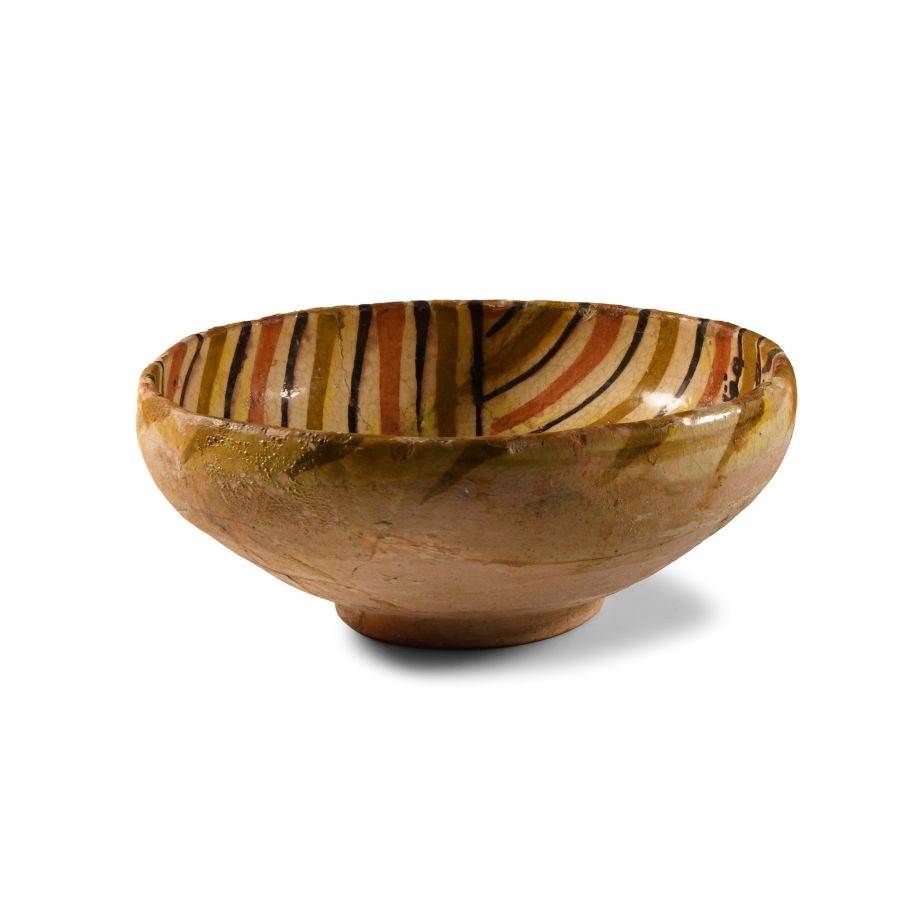
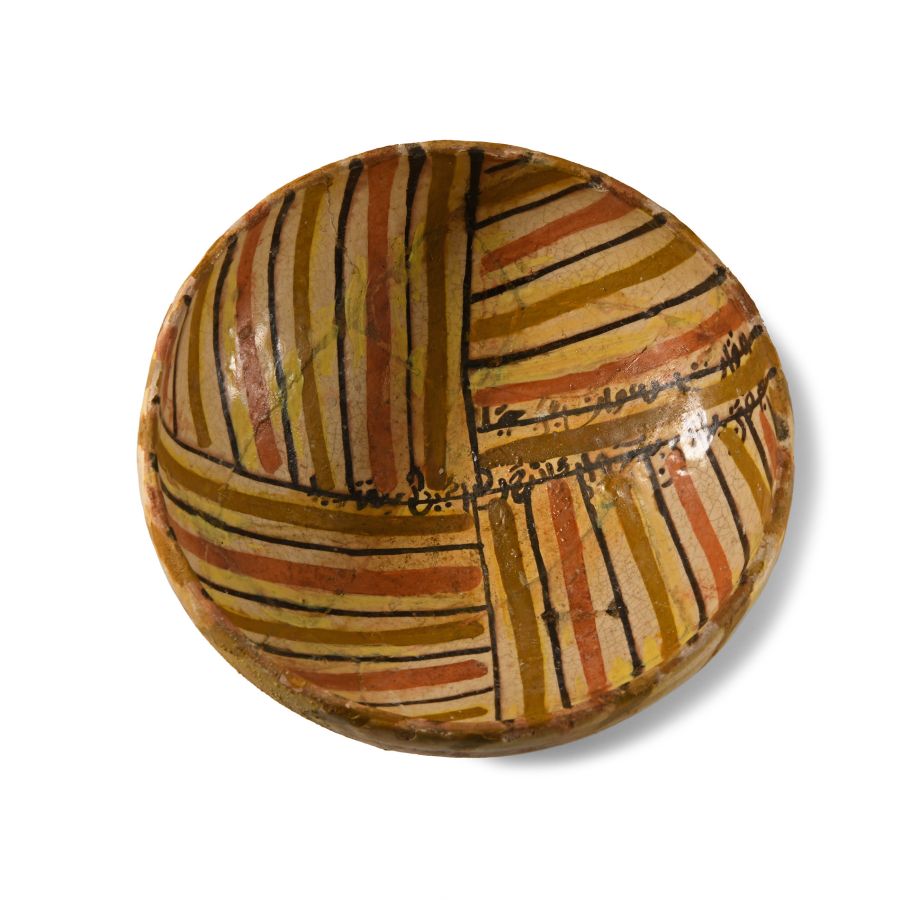
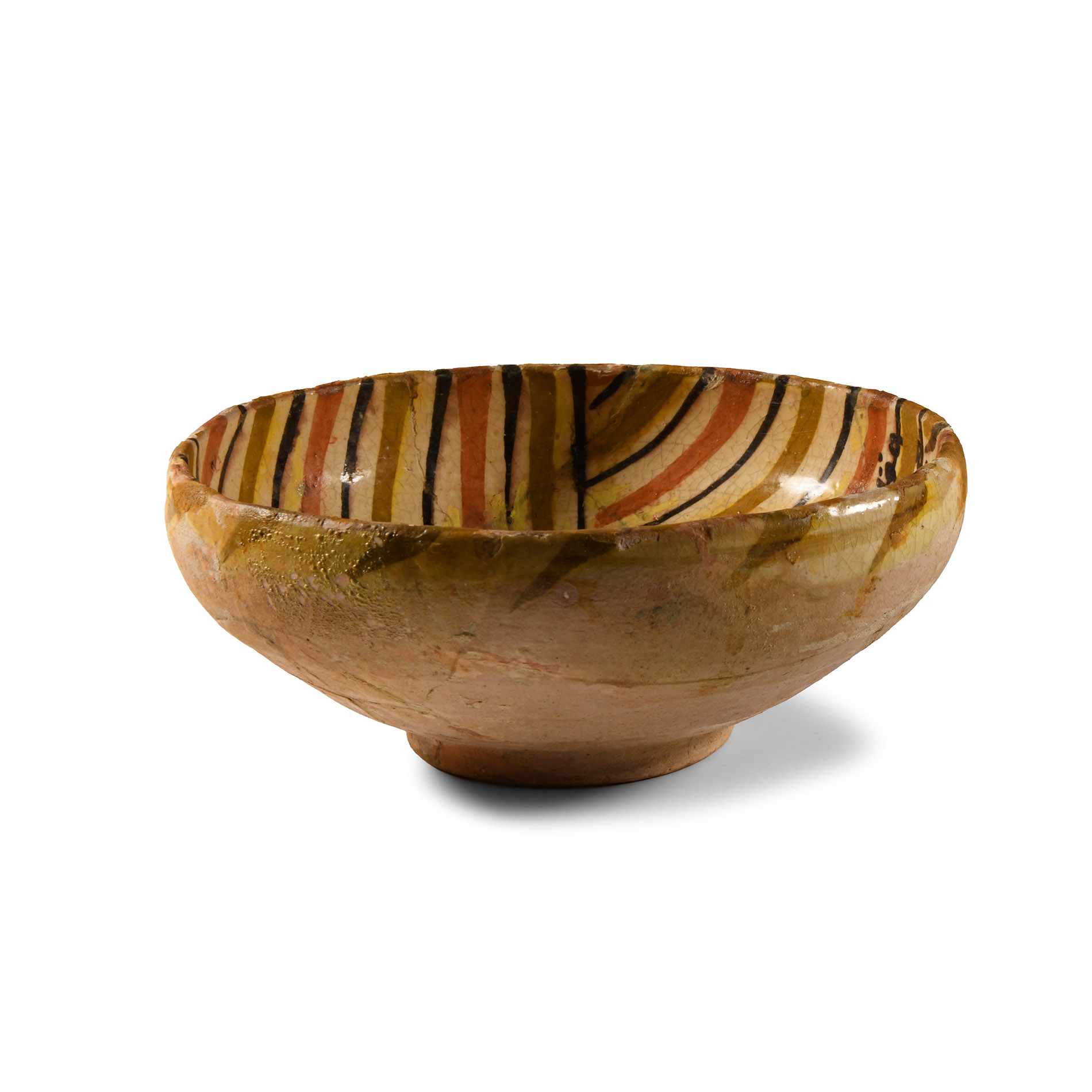
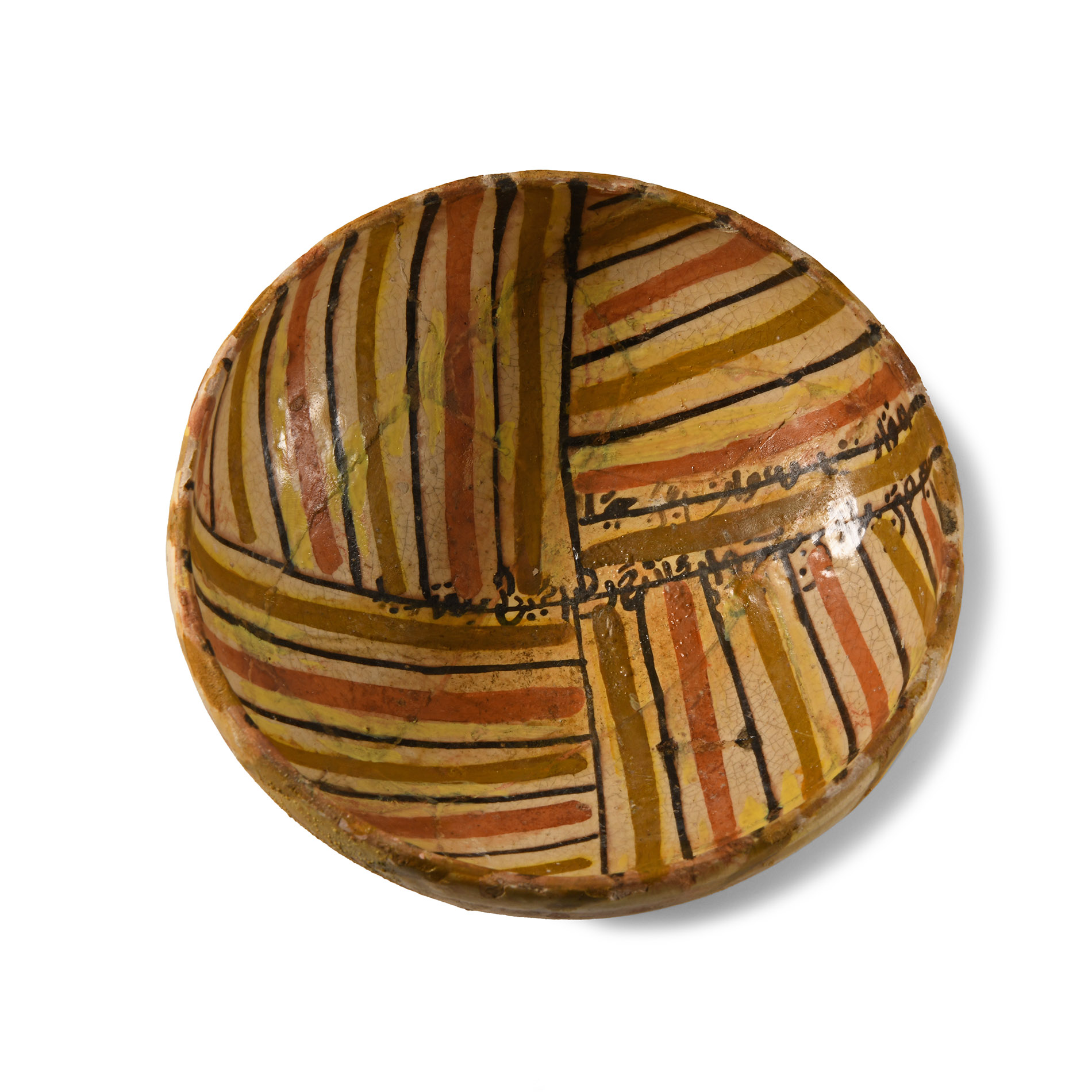
Central Asian Pottery Bowl with Kufic Inscription
CIRCA 10TH CENTURY A.D.
6 1/2 in. (384 grams, 16.5 cm wide).
Of rounded profile with painted design to inner face: quartered design of black, olive green and coral stripes on a cream field, one and a half lines of Kufic text across the centre; repaired.
Provenancewith a London, UK gallery 1971-early 2000s.
CONDITIONTimeLine Auctions follows a vetting process to ensure the authenticity and legality of all items, reinforcing our commitment to integrity and responsible trading. Each antiquity, antique, and coin lot undergoes thorough examination by a vetting committee of at least ten external specialists, professional trade association members, scientists, and archaeologists: Our Vetting Process
AUCTIONS:
TimeLine is a leading auction house specialising in antiquities, ancient art, collectables, natural history, coins, medals, and books. Our auctions offer museums, collectors, historians, and enthusiasts the opportunity to acquire unique and historically significant pieces.
LOT 0256
Central Asian Pottery Bowl with Kufic Inscription
Estimate £500 - 700€580 - 810 (for guidance only)$680 - 950 (for guidance only)
-
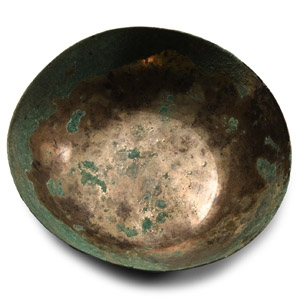
Neo-Assyrian Bronze Bowl
Circa 9th-7th century B.C.Sold for (Inc. bp): £124
Raised from a single sheet with slightly convex walls; concentric circles to the inner base with a central decorative motif composed of zig-zag lines. 125 grams, 15 cm
From a London collection formed 1989-2000. Sold from Pars Antiquities, London, 2002. Accompanied by an old collection ticket. -
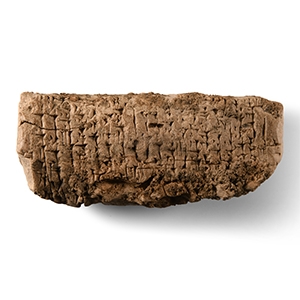
Mesopotamian Cuneiform Tablet
2nd millennium B.C.Sold for (Inc. bp): £520
Pillow-shaped terracotta bar with impressed cuneiform text to the outer face; repaired. 124 grams, 10 cm
From a collection acquired from various auction houses in the UK. From the estate of Mr R.W., a private Wiltshire, UK, collector; thence by descent. -
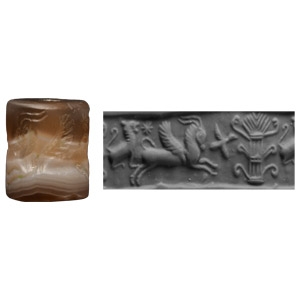
Western Asiatic Agate Cylinder Seal with Zoomorphic Motifs
Circa 2nd-1st millennium B.C.Sold for (Inc. bp): £338
The frieze depicting a leaping winged ibex followed by a small bird in flight, behind the ibex a seated growling feline, a large fount-topped column before the animals with curving lines on each side, likely depicting the Neo-Assyrian 'sacred tree'; accompanied by a museum-quality impression. 3.78 grams, 14 mm
From the property of late Mr SM, London, UK, 1969-1999. Accompanied by an old collection ticket.
