
Loading, please wait...
LOT 1117
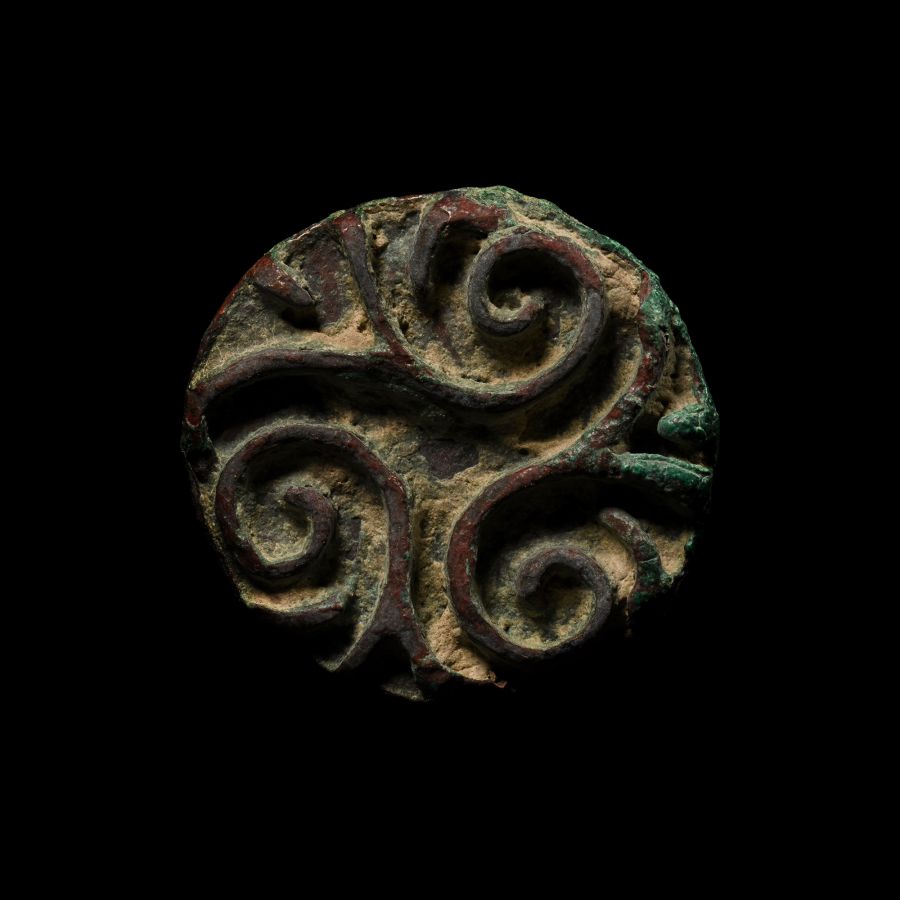
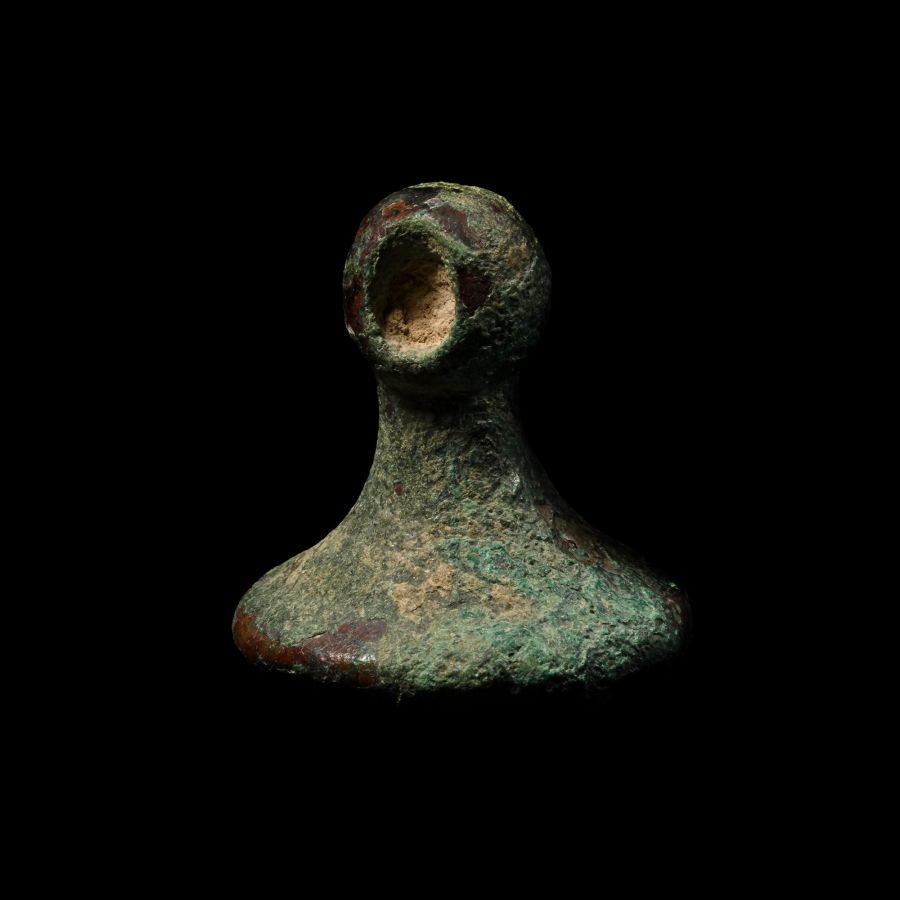
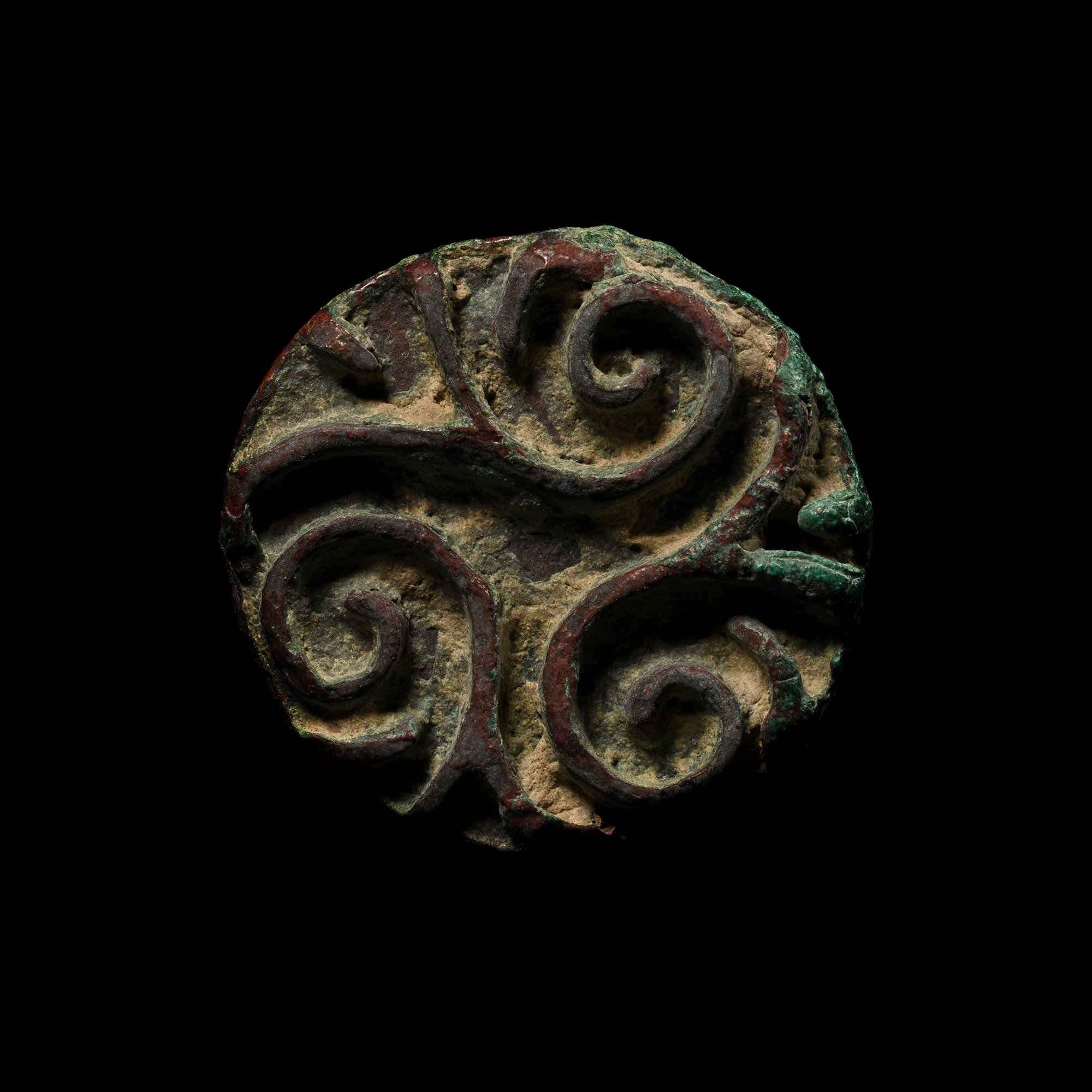
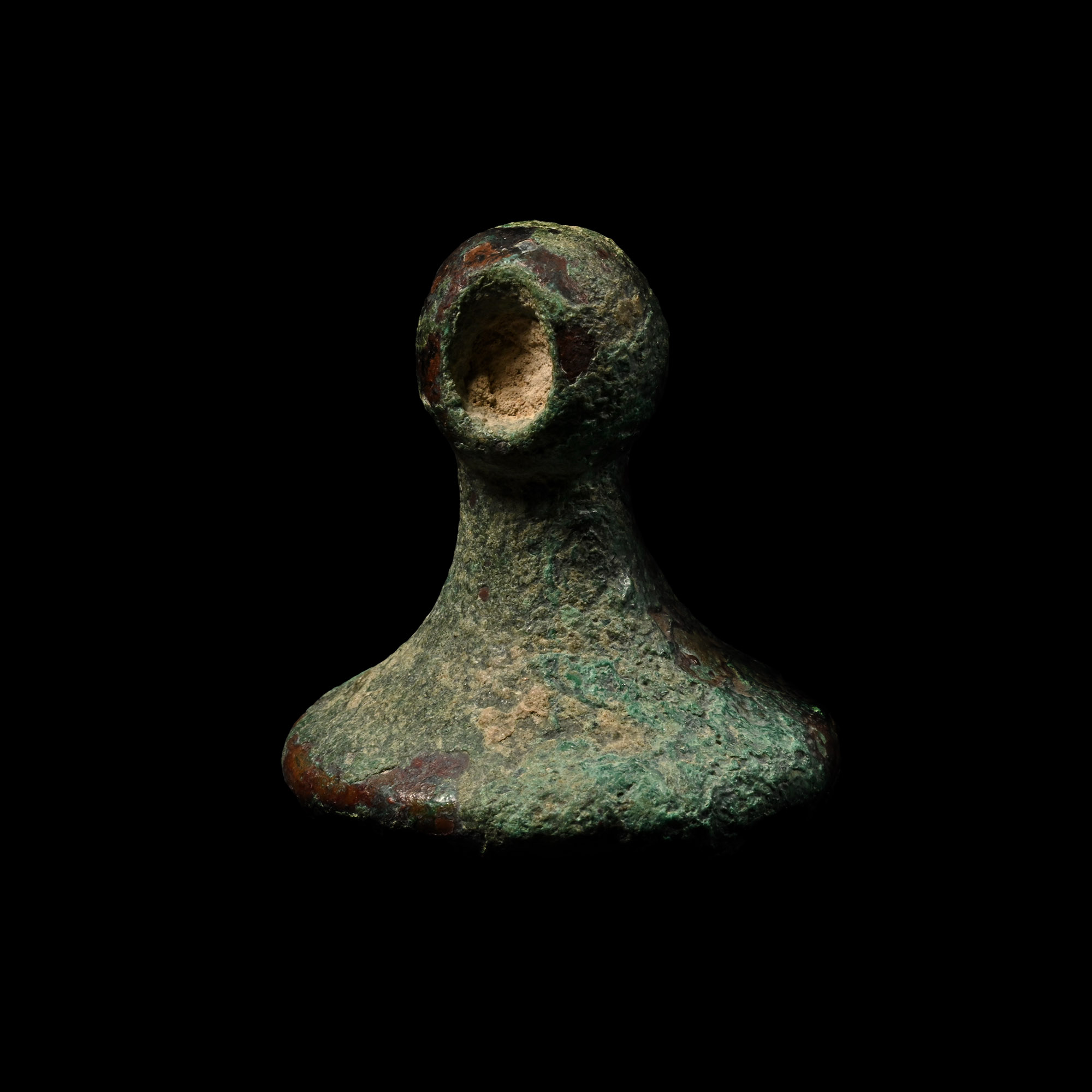
Central Asian Bronze Stamp Seal Matrix with Triskele
CIRCA 2100-1800 B.C.
1 1/2 in. (78 grams, 37 mm).
Discoid with conical looped handle to the rear; accompanied by typed and signed note by the late W.G. Lambert, Professor of Assyriology at the University of Birmingham, 1970-1993, which states: 'Stamp Seal of Bronze, 36 x 35 x 38 mm. This has a round flat face, and a back which rises steeply to a big looped handle. the design on the face, done in raised lines, consists of three motifs beginning at the edge with inverted V-shapes then continuing with a single curling line. Two of the V-shapes have short strokes from the edge within them, and all three have further such strokes under the curls. This comes from west central Asia and dates to c. 2100-1800 B.C. It is a large example of its kind, and the loop and rim are worn, but otherwise in good condition.'
ProvenanceEx collection of a late London gentleman, 1990s.
Accompanied by an original typed and signed scholarly note by the late W.G. Lambert, Professor of Assyriology at the University of Birmingham, 1970-1993.
This lot has been cleared against the Art Loss Register database, and is accompanied by an illustrated lot declaration signed by the Head of the Antiquities Department, Dr Raffaele D'Amato.
TimeLine Auctions follows a vetting process to ensure the authenticity and legality of all items, reinforcing our commitment to integrity and responsible trading. Each antiquity, antique, and coin lot undergoes thorough examination by a vetting committee of at least ten external specialists, professional trade association members, scientists, and archaeologists: Our Vetting Process
AUCTIONS:
TimeLine is a leading auction house specialising in antiquities, ancient art, collectables, natural history, coins, medals, and books. Our auctions offer museums, collectors, historians, and enthusiasts the opportunity to acquire unique and historically significant pieces.
-
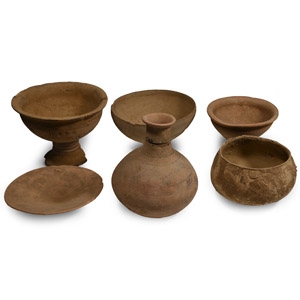
Western Asiatic and Other Pottery Collection
3rd-1st millennium B.C.Sold for (Inc. bp): £52
Comprising: a shallow dish and a bowl; bulbous jar with painted decoration to the upper body, top separated; two footed bowls, one with painted decoration; and a squat jar; some repaired. 2.74 kg total, 5-19 cm
From a West Country collection, UK, 1990s. This lot has been cleared against the Art Loss Register database, and is accompanied by an illustrated lot declaration signed by the Head of the Antiquities Department, Dr Raffaele D'Amato. -
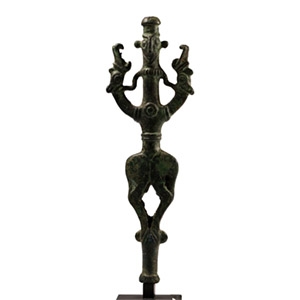
Luristan Bronze Finial with Master of Animals
8th-7th century B.C.Estimate: £1,500 - 2,000 (‡+bp*)
Opening Bid: £675
A bifacial sceptre head formed as a 'Master of Animals' atop a collared tubular stem, comprising two slender crescentic arms representing slender beasts with ridged backs and roaring mouths, each in the grip of the Master standing crowned between them; the Master with tubular body, animal-like ears, prominent nose above a small mouth and wearing a neck ring and domed headdress; mounted on a display stand. 213 grams total, 19.7 cm including stand
Ex Capitaine Patrick Pakenham, Geneva, Switzerland, acquired in the 1960s-1970s, thence by succession. Private collection. This lot has been cleared against the Art Loss Register database, and is accompanied by an illustrated lot declaration signed by the Head of the Antiquities Department, Dr Raffaele D'Amato. -
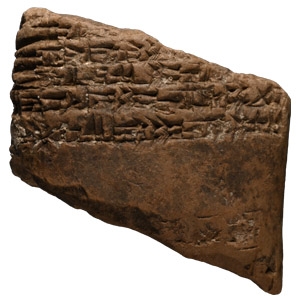
Old Babylonian Cuneiform Administrative Tablet Fragment
Circa 2000-1600 B.C.Sold for (Inc. bp): £234
Fragment of a pillow-shaped tablet, cuneiform text to both broad faces and one edge. 58.8 grams, 50 mm
Specialised collection of cuneiform texts, the property of a London gentleman and housed in London before 1992. Thence by descent to family members. Examined by Professor Wilfrid George Lambert FBA (1926-2011), historian, archaeologist, and specialist in Assyriology and Near Eastern archaeology, in the late 1980s and early 1990s. This small collection is exceptional for the variety of types, including some very rare and well preserved examples. This lot has been cleared against the Art Loss Register database, and is accompanied by an illustrated lot declaration signed by the Head of the Antiquities Department, Dr Raffaele D'Amato.
