
Loading, please wait...
LOT 2389
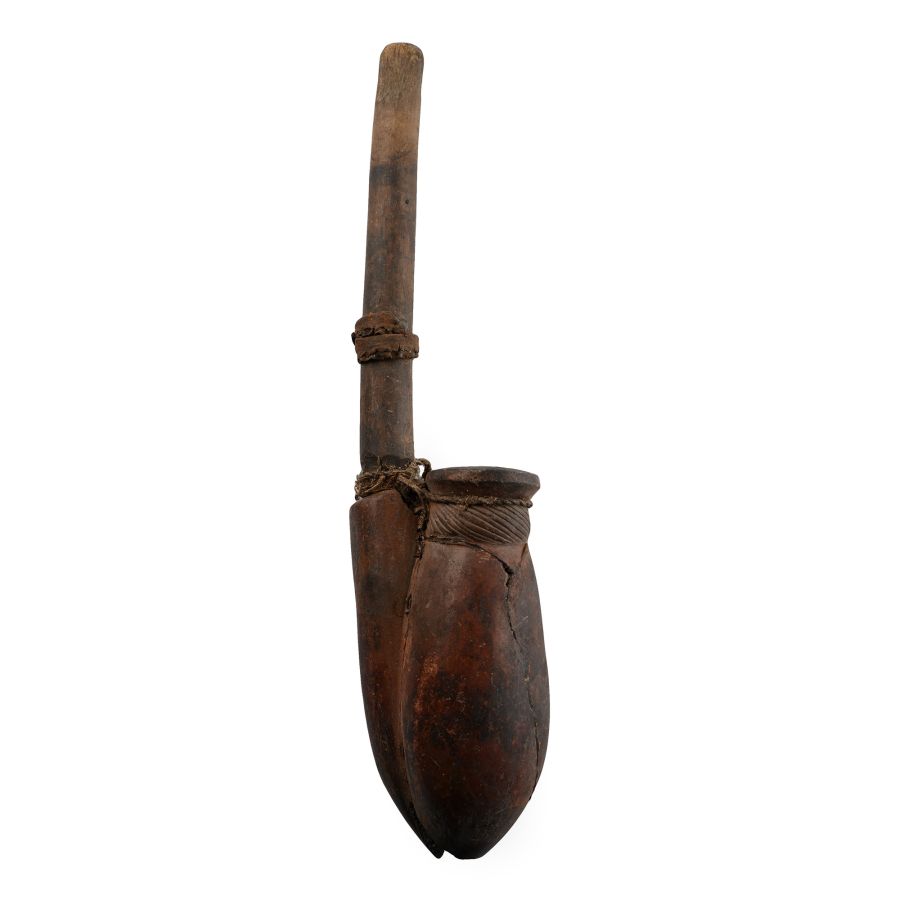
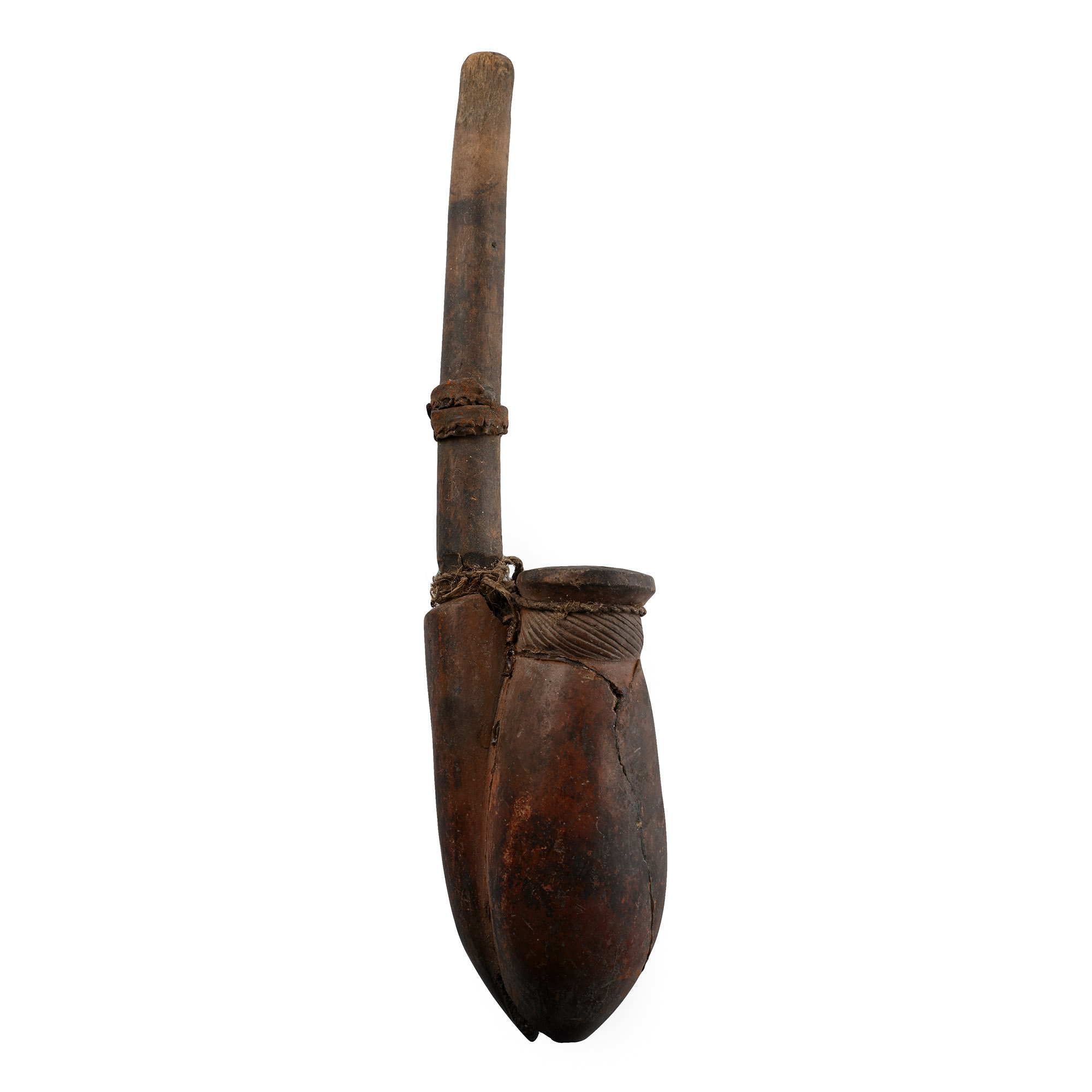
Central African Clay Smoking Pipe
TIKAR TRIBE, LATE 19TH-EARLY 20TH CENTURY A.D.
9 1/4 in. (152 grams, 23.6 cm).
With decoration to the top of the bowl and an embedded wooden stem with leather binding, secured by twine; repair to the stem. [No Reserve]
ProvenanceFrom Cameroon, Central Africa.
From an old Dorset, UK, specialist collection.
From the property of a late Lincolnshire, UK, gentleman.
From the Cameroon
CONDITIONTimeLine Auctions follows a vetting process to ensure the authenticity and legality of all items, reinforcing our commitment to integrity and responsible trading. Each antiquity, antique, and coin lot undergoes thorough examination by a vetting committee of at least ten external specialists, professional trade association members, scientists, and archaeologists: Our Vetting Process
AUCTIONS:
TimeLine is a leading auction house specialising in antiquities, ancient art, collectables, natural history, coins, medals, and books. Our auctions offer museums, collectors, historians, and enthusiasts the opportunity to acquire unique and historically significant pieces.
-
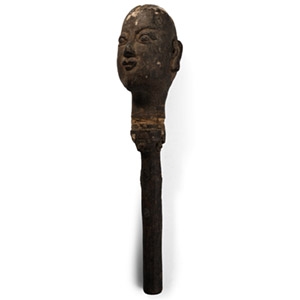
Indonesian Tau Tau Funerary Wooden Head
Toraja People, late 19th century A.D.Sold for (Inc. bp): £33
Funerary peg head with bald scalp, delicate facial features with grooves delineating the piercing eyes and shallow lips; below the neck a cylindrical protrusion to be slotted into the carving of its body, commemorating a deceased person. 780 grams, 35 cm
From South Central Sulewesi, Indonesia. Ex private Surrey, UK, ethnographic collection. From the property of a late Lincolnshire, UK, gentleman. -
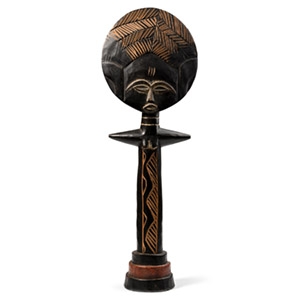
African Wooden 'Akuaba Doll' Fertility Figure
Ashanti Tribe, late 20th century A.D.Sold for (Inc. bp): £46
Carved from light-coloured, lightweight wood in traditional form and dyed black; large, round head, with striated hairstyle to the centre, large eyes and three short lines representing the typical tribal scarification marks on the forehead; tapering body and stub arms, tiered base. 532 grams, 46.5 cm
From Ghana, West Africa. From the private collection of Mr N.J., Leicester, UK; acquired circa 2010. From the property of a late Lincolnshire, UK, gentleman.
Among the Ashanti people in Ghana, women hoping for offspring carry these ‘Akuaba dolls’ in their clothes. Traditionally, these ‘Akuaba’ have a large, round, flat head that is reminiscent of its origin as a representation of the moon goddess, which is associated with fertility. Once the ‘Akuaba’ figure has fulfilled its purpose, the mother of the desired child places it on her domestic altar, where it is worshipped in a shrine, or she passes it on to the next generation. -
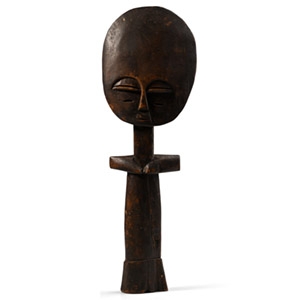
African Wooden 'Akuaba Doll' Fertility Figure
Ashanti Tribe, 20th century A.D.Sold for (Inc. bp): £26
Carved from dark-coloured, lightweight wood in traditional form and dyed dark brown; with a large, round head, plain hairstyle, large eyes and typical tribal scarification marks on the forehead. 159 grams, 31.5 cm
From Ghana, West Africa. Ex private collection of Mr.N.J., Leicester, UK. From the property of a late Lincolnshire, UK, gentleman.
Among the Ashanti people in Ghana, women hoping for offspring carry these ‘Akuaba dolls’ in their clothes. Traditionally, these ‘Akuaba’ have a large, round, flat head that is reminiscent of its origin as a representation of the moon goddess, which is associated with fertility. Once the ‘Akuaba’ figure has fulfilled its purpose, the mother of the desired child places it on her domestic altar, where it is worshipped in a shrine, or she passes it on to the next generation.
