
Loading, please wait...
LOT 2405
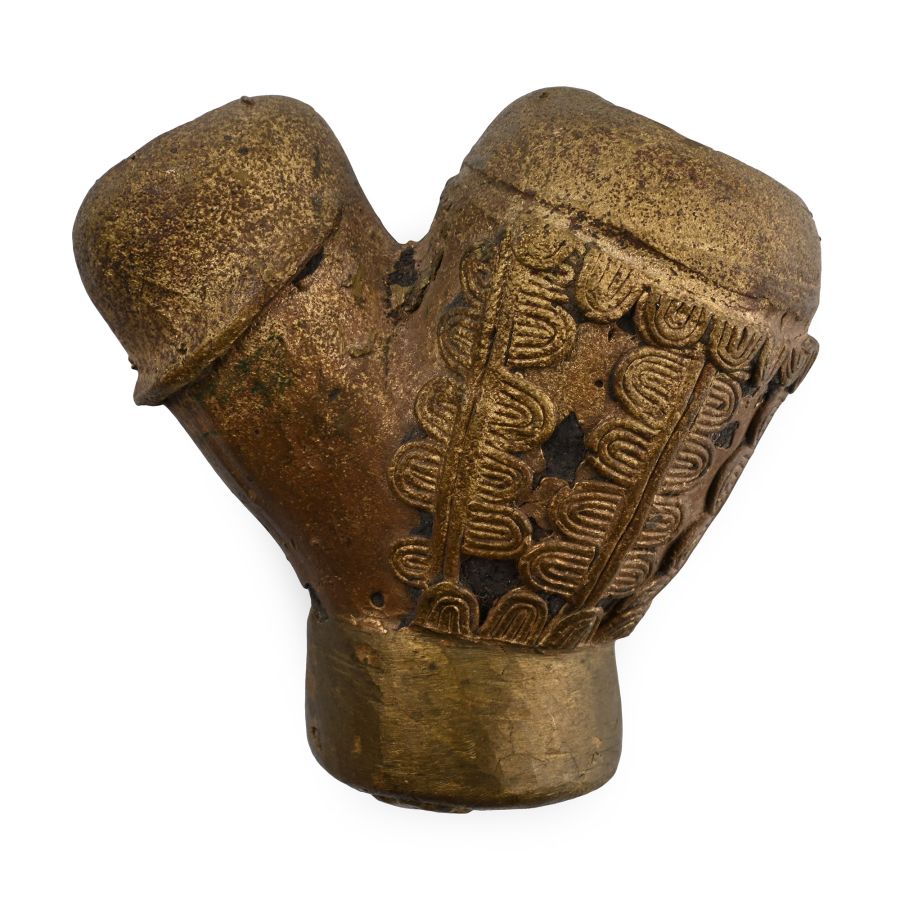
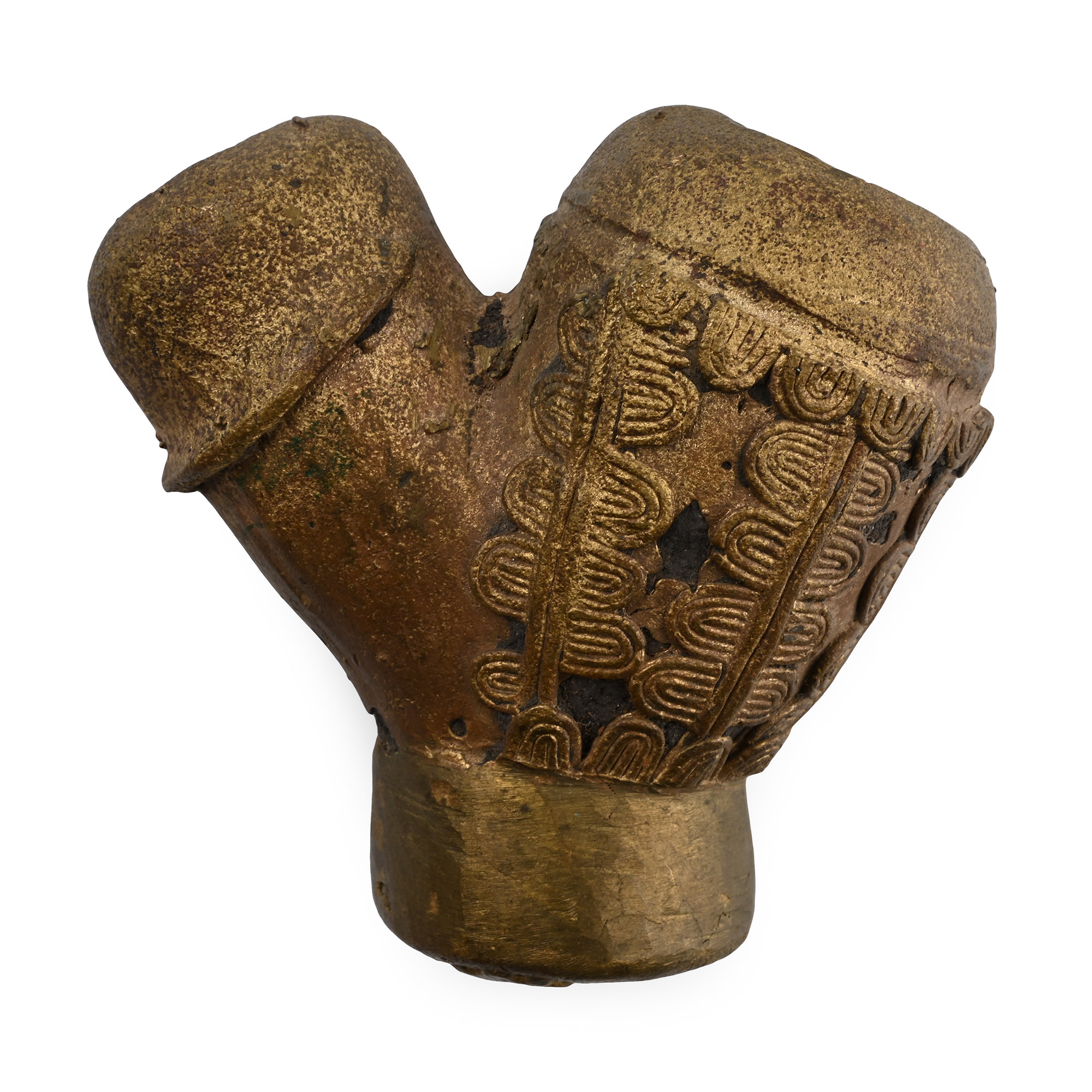
Central African Brass Smoking Pipe Bowl
EARLY-MID 20TH CENTURY A.D.
3 1/2 in. (336 grams, 88 mm).
Comprising an elongated bowl with rounded rim and bands of integral geometric ornament to the sidewall, drum-shaped foot, angled hoe to accept the drawing pipe. [No Reserve]
ProvenanceFrom Cameroon, Cental Africa.
From an old Dorset, UK, specialist collection.
From the property of a late Lincolnshire, UK, gentleman.
Cameroon had by far the most elaborate smoking culture in Africa and the tobacco pipe was a highly respected item, both as a daily commodity and as an object with solemn ceremonial function.
CONDITIONTimeLine Auctions follows a vetting process to ensure the authenticity and legality of all items, reinforcing our commitment to integrity and responsible trading. Each antiquity, antique, and coin lot undergoes thorough examination by a vetting committee of at least ten external specialists, professional trade association members, scientists, and archaeologists: Our Vetting Process
AUCTIONS:
TimeLine is a leading auction house specialising in antiquities, ancient art, collectables, natural history, coins, medals, and books. Our auctions offer museums, collectors, historians, and enthusiasts the opportunity to acquire unique and historically significant pieces.
-
African Terracotta Bead Necklace Group
12th century A.D. or laterSold for (Inc. bp): £46
Ten restrung mainly cream and beige-coloured rondelle, tubular and ribbed beads and other types. 64 grams total, 72-74 cm
Ex property of a UK gallery, early 2000s. -
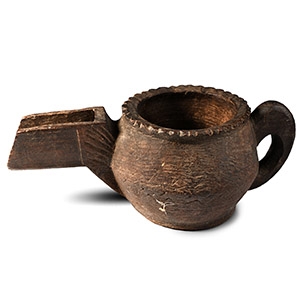
African Wooden Water Jug
Early-mid 20th century A.D.Sold for (Inc. bp): £26
With geometric carved decoration, large spout, strap handle and a serrated rim; West African type. 511 grams, 28.5 cm
From West Africa. From an old Surrey, UK, oriental and ethnographical collection; acquired during 1950s. From the property of a late Lincolnshire, UK, gentleman. -
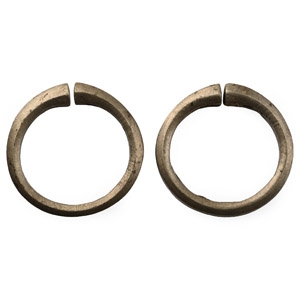
African Brass Kano Bracelet Pair
Okombo Tribe, late 19th-early 20th century A.D.Sold for (Inc. bp): £7
Penannular in form and faceted section, clubbed ends. 134 grams total, 62 mm wide
From Nigeria, West Africa. From an old Derby, UK, specialist collection. From the property of a late Lincolnshire, UK, gentleman.
