
LOT 2859
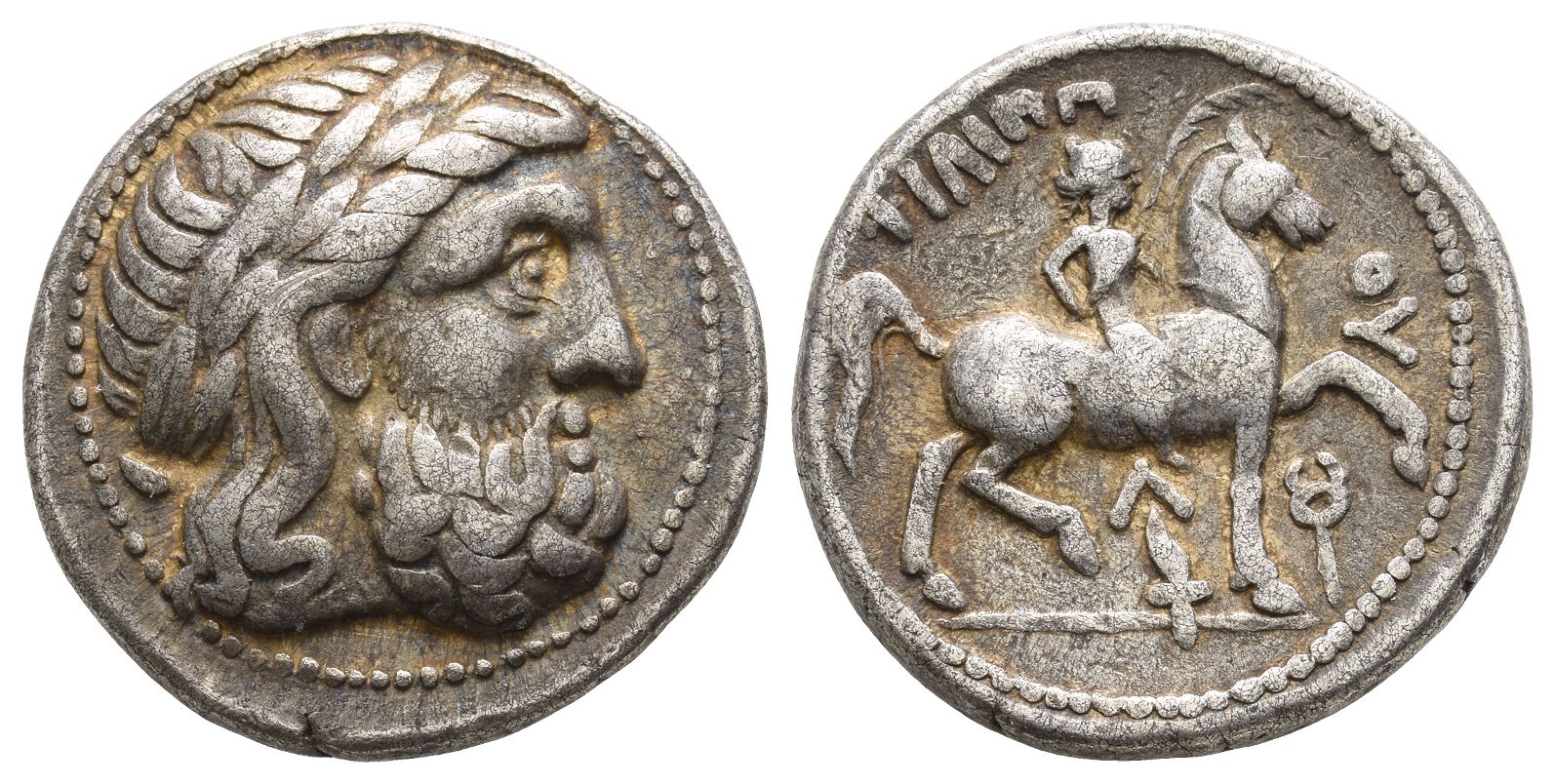
Celts in Lower Danube AR Tetradrachm. Circa late 4th-3rd centuries BC. Imitations of Philip II of Macedon.
Laureate head of Zeus to right / ΦΙΛΙΠΠΟΥ, young jockey, holding palm branch and reins, riding horse to right; beneath horse, Λ above torch; beneath foreleg, kerykeion. Dembski -; Lanz -; OTA -; CCCBM I -; Pink 11. Very Fine.(13.62gr, 25mm, 1h.).
ProvenanceFrom the collection of a Surrey, UK, gentleman.
TimeLine Auctions follows a vetting process to ensure the authenticity and legality of all items, reinforcing our commitment to integrity and responsible trading. Each antiquity, antique, and coin lot undergoes thorough examination by a vetting committee of at least ten external specialists, professional trade association members, scientists, and archaeologists: Our Vetting Process
AUCTIONS:
TimeLine is a leading auction house specialising in antiquities, ancient art, collectables, natural history, coins, medals, and books. Our auctions offer museums, collectors, historians, and enthusiasts the opportunity to acquire unique and historically significant pieces.
-
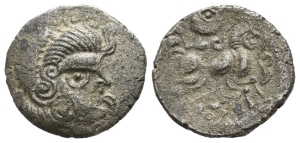
Celtic Northeast Gaul. Coriosolites BI Stater. Circa 100-50 BC. Au nez en epsilon type.
Sold for (Inc. bp): £85
Celticized male head to right, the hair in large spiral curls and with an S-shaped ear / Celticized rider on horseback to right, holding long whip in his right hand; below, boar and pellet in annulet. DT 2339; LT 6614. 6.10gr, 23mm, 6h.
Very Fine.
From the private collection of John Meredith, acquired since the 1990s; thence by descent. -
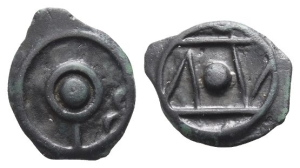
Celtic Britannia. Cantiaci Potin Cast Unit. 1st century BC. Nipples type.
Sold for (Inc. bp): £78
Outline head to right around large central nipple / Crude outline bull around large central nipple. ABC 174; VA 137; BMC 723; SCBC 64. 1.07gr, 13mm.
Good Very Fine. Very rare with 'diagonal box' bull.
Ex Chris Rudd, LL494,, lot 19, ref. no.15146 (dealer's ticket included). Ex Joe Fay collection. Ex A Clarke collection. From the private collection of John Meredith, acquired since the 1990s; thence by descent. -
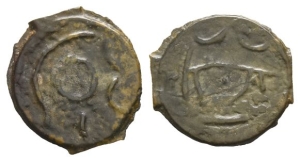
Celtic Britannia. Cantii Cast Potin Unit. Early 1st century BC. Uninscribed. Angular Bull type (Cantian D).
Sold for (Inc. bp): £78
Stylised head to right / Stylised bull. VA 129; ABC 171; SCBC 63. 1.19gr, 17mm, 9h.
Very Fine.
From the private collection of John Meredith, acquired since the 1990s; thence by descent.
