
Loading, please wait...
LOT 2056
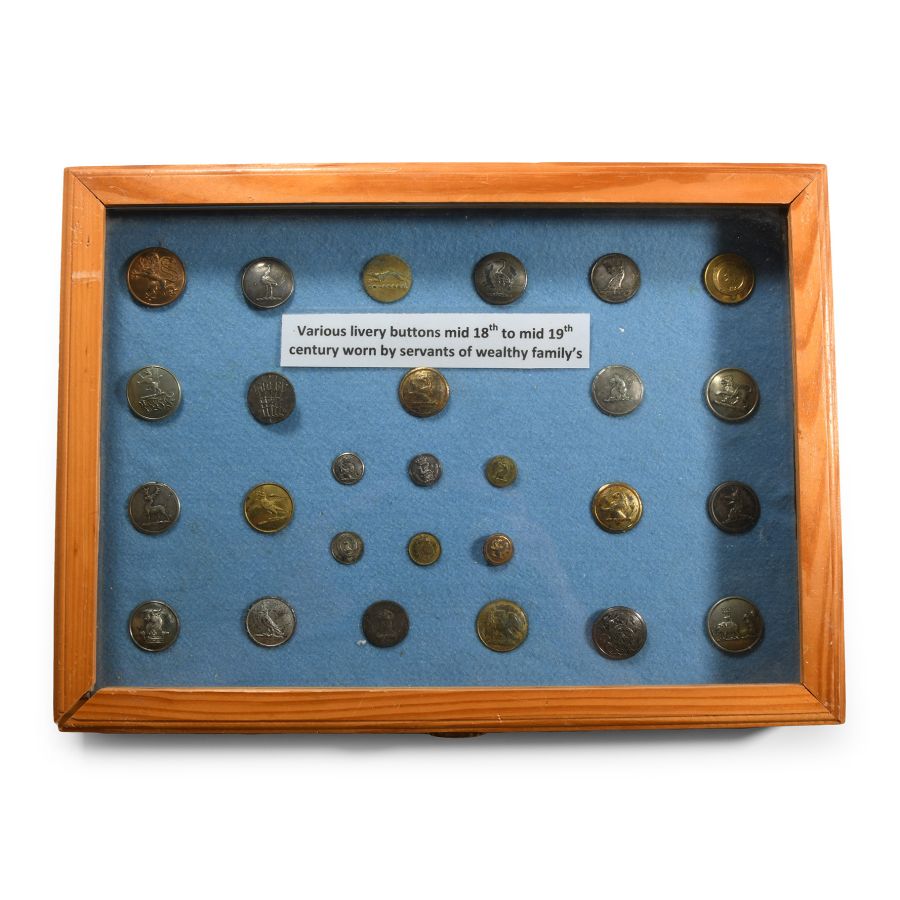
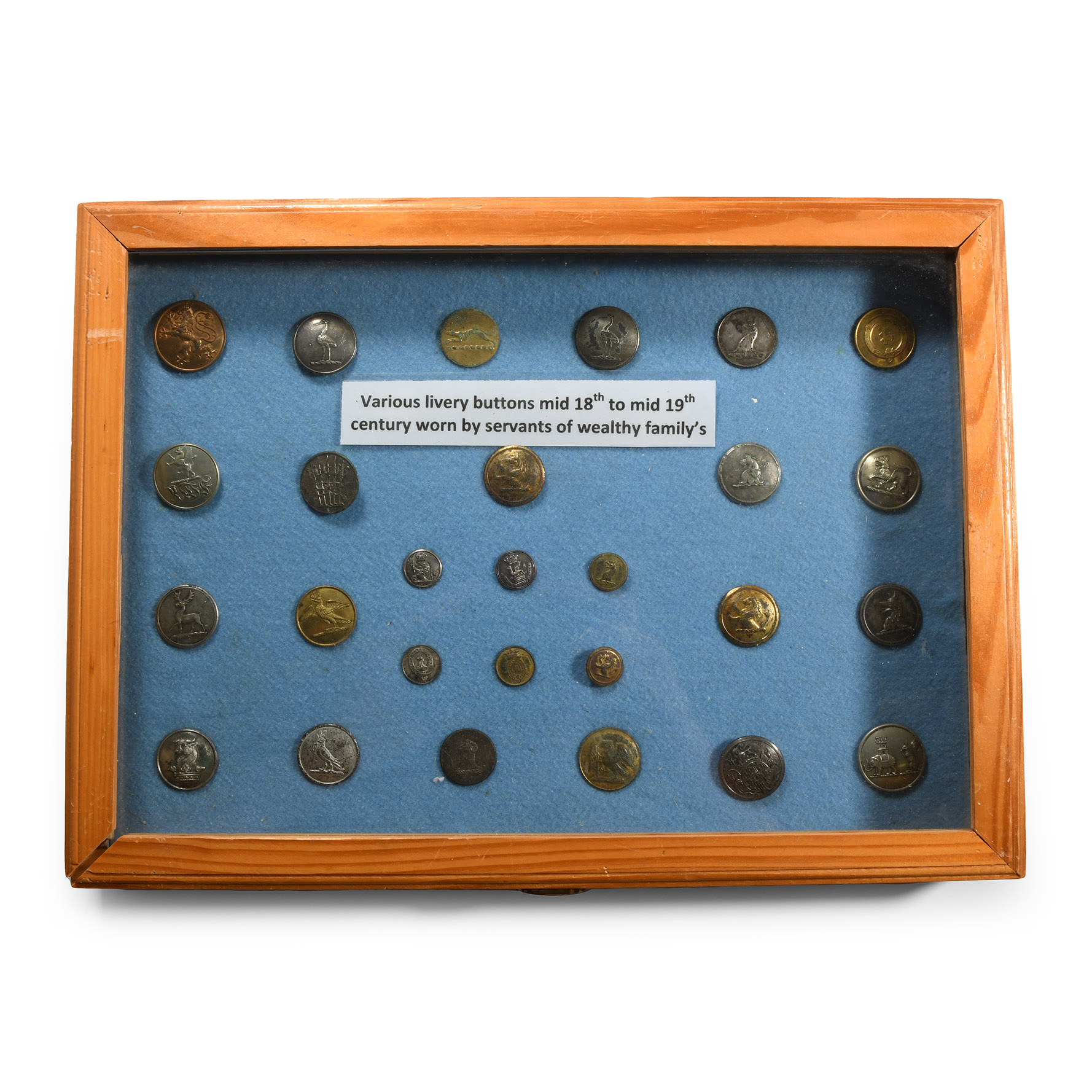
Cased Post Medieval 'Published' Bronze Livery Button Collection
MID 18TH-MID 19TH CENTURY A.D.
14 1/2 x 10 1/2 in. (1.41 kg total, 37 x 26.6 cm including box).
Including gilt and tinned types with heraldic crests on torses and crowns, rampant lions and other types; many of these objects are published in the Detector Finds book series and Buttons & Fasteners 500 BC-AD 1840. [No Reserve]
ProvenanceFrom the collection of the famous author, writer and speaker, Gordon Bailey, Essex, UK; formed since 1968.
LiteratureCf. Bailey, G., Buttons & Fasteners 500 BC-AD 1840, Witham, 2004, p.40-83
CONDITIONTimeLine Auctions follows a vetting process to ensure the authenticity and legality of all items, reinforcing our commitment to integrity and responsible trading. Each antiquity, antique, and coin lot undergoes thorough examination by a vetting committee of at least ten external specialists, professional trade association members, scientists, and archaeologists: Our Vetting Process
AUCTIONS:
TimeLine is a leading auction house specialising in antiquities, ancient art, collectables, natural history, coins, medals, and books. Our auctions offer museums, collectors, historians, and enthusiasts the opportunity to acquire unique and historically significant pieces.
LOT 2056
Cased Post Medieval 'Published' Bronze Livery Button Collection
Sold for (Inc. bp): £20
-
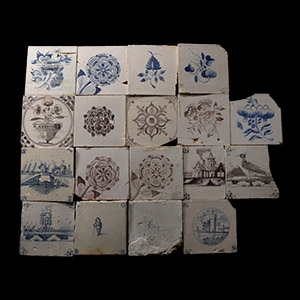
Post Medieval Dutch Glazed Ceramic Tile Group
Circa 17th-18th century A.D.Sold for (Inc. bp): £52
Comprising a variety of glaze colours, with designs featuring animals, figural vignettes floral and vegetal motifs and architectural and landscape scenes. 4.1 kg total, 13 x 13 cm each
Acquired 1990s-early 2000s. East Anglian private collection. -
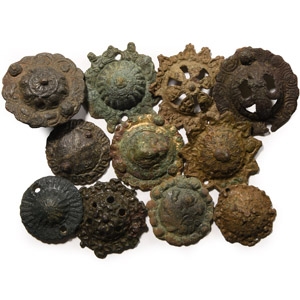
Post Medieval Bronze Horse Harness Mount Collection
16th-19th century A.D.Sold for (Inc. bp): £78
Including rosette and floral types; many of these objects are published in the Detector Finds book series. 407 grams total, 43-62 mm
From the collection of the famous author, writer and speaker, Gordon Bailey, Essex, UK; formed since 1968. -
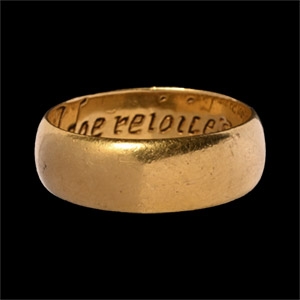
Post Medieval 'Published' Gold 'In thee my choice I doe reioice' Posy Ring
17th century A.D.Sold for (Inc. bp): £1,430
Barrel-shaped hoop with legend to the inner face in italic script ''In thee my choice I doe rejoice' and maker's mark 'CT'. 8.85 grams, 21.58 mm overall, 18.31 mm internal diameter (approximate size British P, USA 7 1/2, Europe 16.23, Japan 15)
From the collection of the famous author, writer and speaker, Gordon Bailey, Essex, UK; formed since 1968.
