
Loading, please wait...
LOT 2489
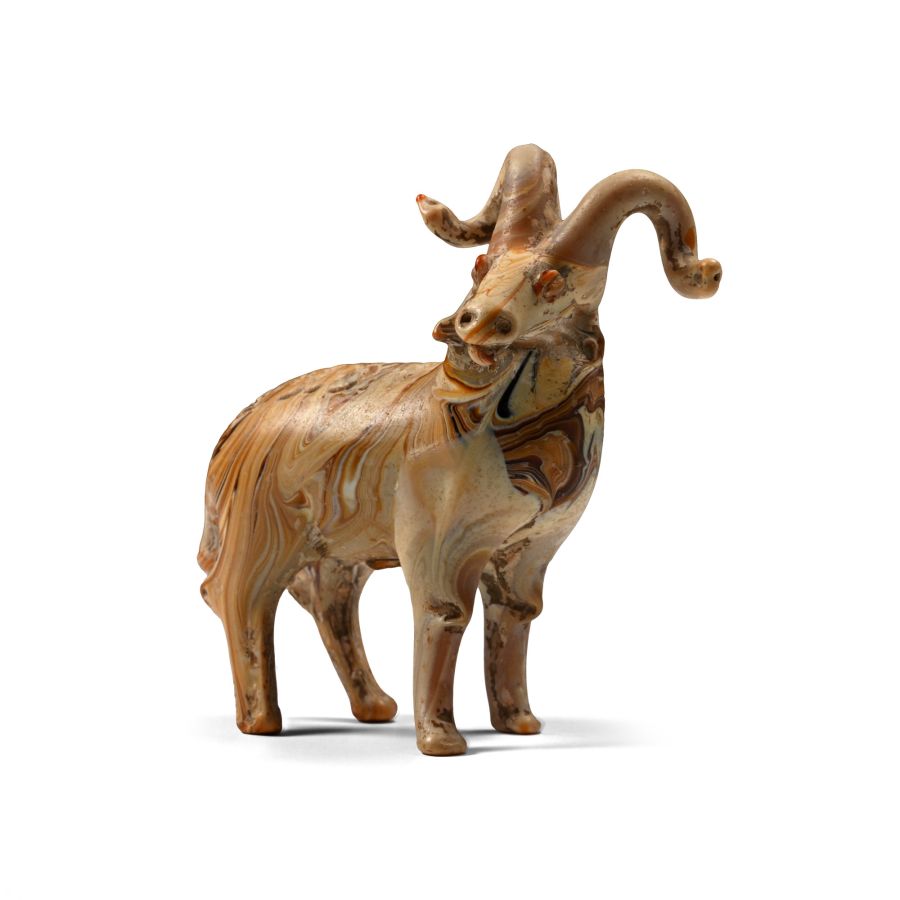
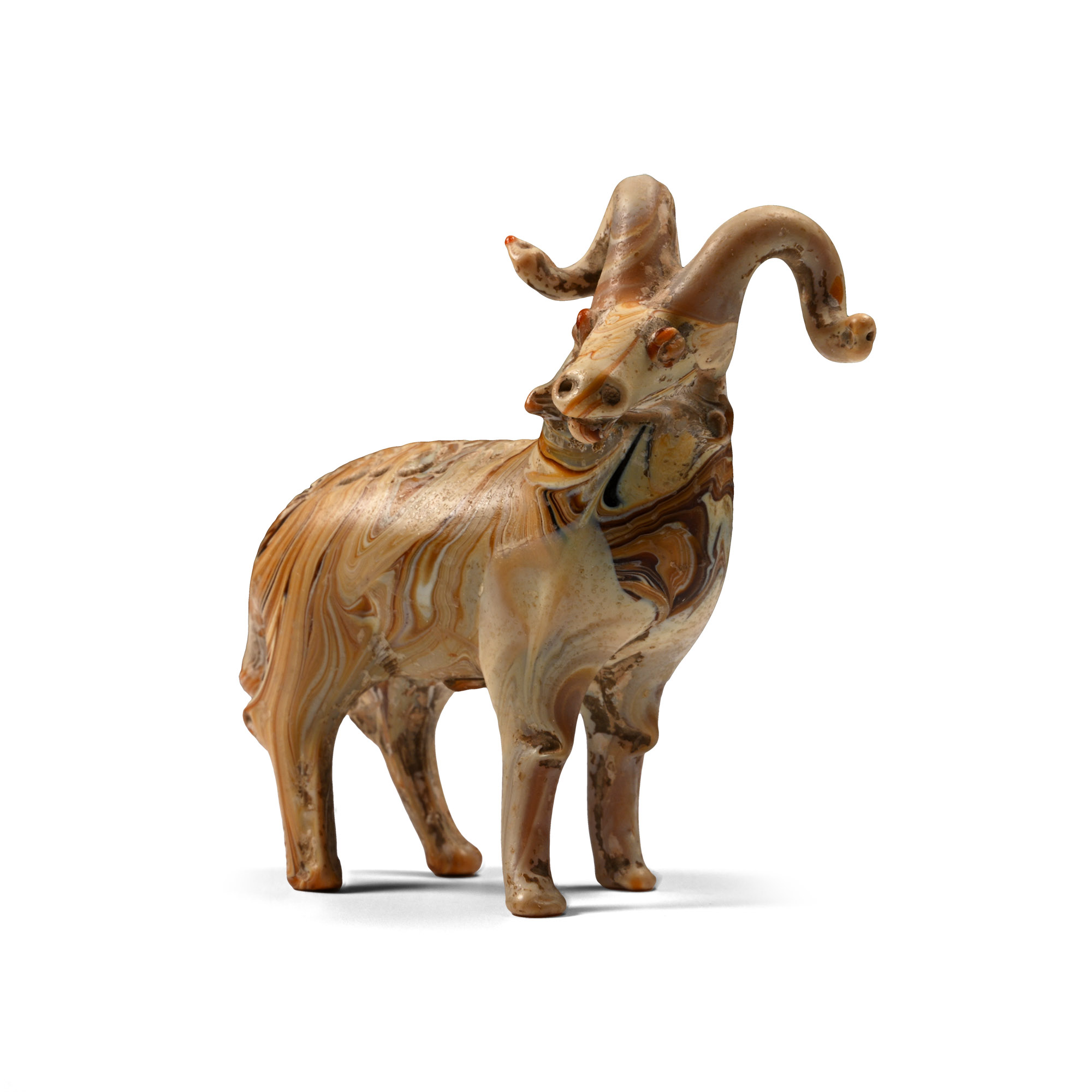
Carved Stone Aries Figure
3 1/8 in. (82 grams, 79 mm).
Carved from a brown veined stone as a standing goat with large curving horns, fleece detailing to the back. [No Reserve]
ProvenanceEx S.M. London collection, UK, 1970-1990s.
CONDITIONTimeLine Auctions follows a vetting process to ensure the authenticity and legality of all items, reinforcing our commitment to integrity and responsible trading. Each antiquity, antique, and coin lot undergoes thorough examination by a vetting committee of at least ten external specialists, professional trade association members, scientists, and archaeologists: Our Vetting Process
AUCTIONS:
TimeLine is a leading auction house specialising in antiquities, ancient art, collectables, natural history, coins, medals, and books. Our auctions offer museums, collectors, historians, and enthusiasts the opportunity to acquire unique and historically significant pieces.
-
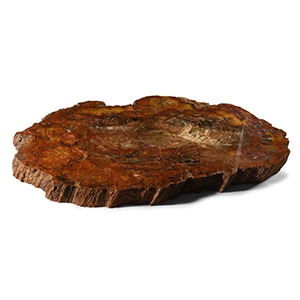
Huge Section of Fossilised 'Rainbow' Wood
235 million years B.P.Sold for (Inc. bp): £546
Petrified tree section of 40-46mm thickness with finely polished finish to upper and lower faces and set into resin; edges slightly chamfered. 26.2 kg, 68 cm
From the private collection of Mr J.G., UK, a company executive.
The petrified wood from Araucarioxylon arizonicum is often referred to as "rainbow wood" due to the variety of subtle, warm colours it exhibits, mainly in the red-orange range from hematite and limonite inclusions within the silica. -
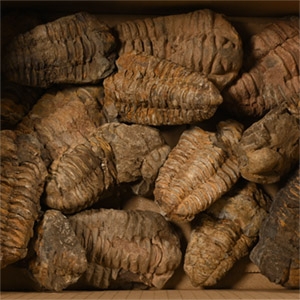
Fossil Flexicalymene Trilobite Group
Ordovician Period, circa 510-445 million years B.P.Sold for (Inc. bp): £52
Mixed group of various sizes, all with preserved scales and tripartite body structure. 983 grams total, 65-85 mm
Acquired on the UK art market before 2000. Property of an Essex, UK, gentleman. -
![Crystal and Mineral Specimen Collection [7]](https://timelineauctions.com/upload/images/items/small/228178-s.jpg)
Crystal and Mineral Specimen Collection [7]
Sold for (Inc. bp): £59
Comprising: a cleaved octahedron fluorite crystal from Illinois, USA; citrine geode slice; quartz with pyrite(?); octahedral pyrite with serpentine; hexagonal yellow calcite in matrix; fire opal set in egg-shaped matrix; an unidentified mineral specimen with flower-like clusters of reddish brown crystals. 1.08 kg total, 36-99 mm
Ex Mineral Imports, London, UK. Gregory, Bottley & Lloyd (Gregory's), Harwich, UK.
