
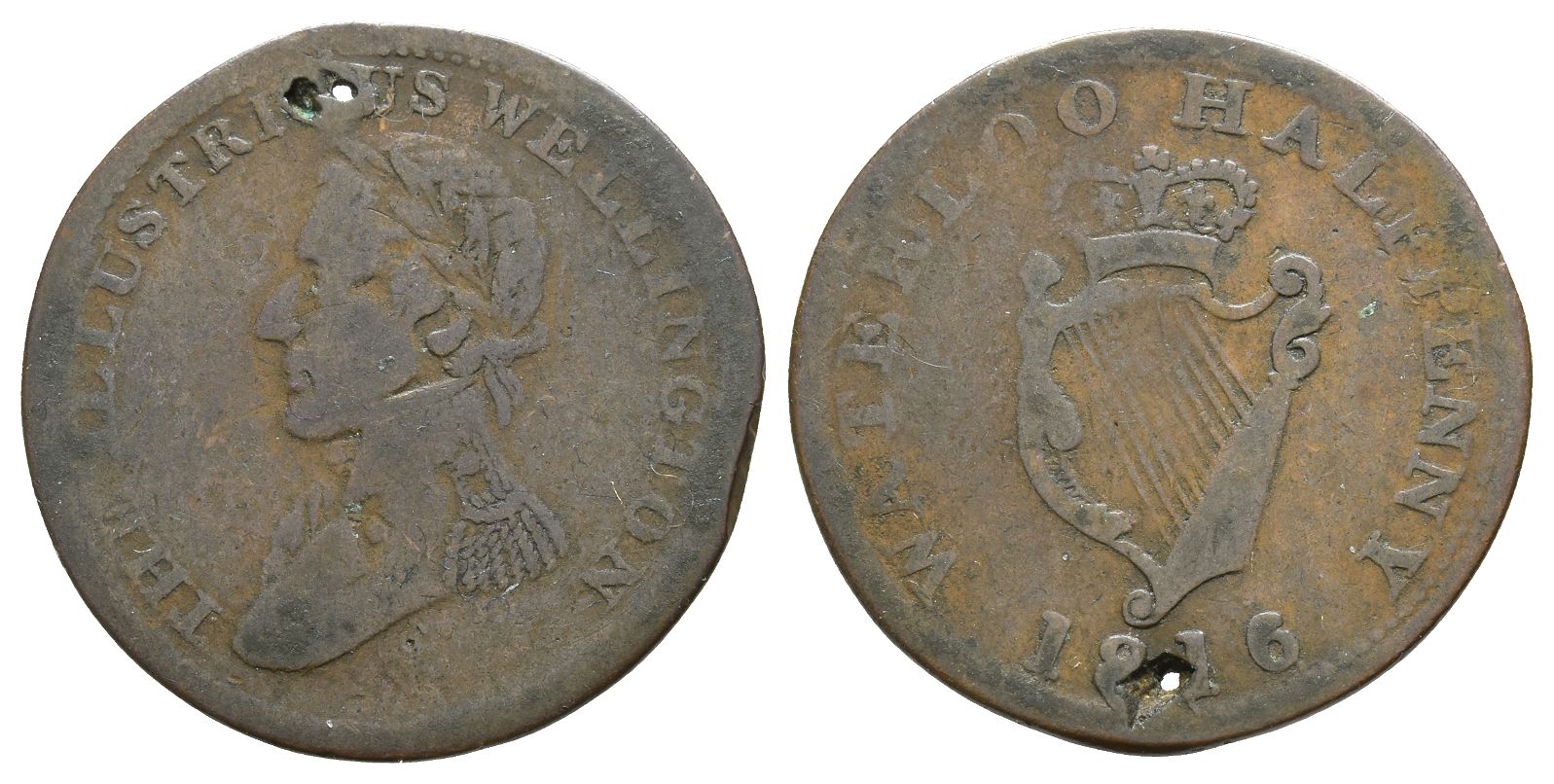
LOT 3609
Canada. Lower Canada CU Halfpenny Token. 1816.
THE ILLUSTRIOUS WELLINGTON, laureate bust to left / WATERLOO HALFPENNY 1816, harp. BR 981; WE 10A1. Near Fine. Pierced.(4.56gr, 26mm, 6h.).
ProvenanceFrom the private collection of Kenneth Machin (1936-2020).
TimeLine Auctions follows a vetting process to ensure the authenticity and legality of all items, reinforcing our commitment to integrity and responsible trading. Each antiquity, antique, and coin lot undergoes thorough examination by a vetting committee of at least ten external specialists, professional trade association members, scientists, and archaeologists: Our Vetting Process
AUCTIONS:
TimeLine is a leading auction house specialising in antiquities, ancient art, collectables, natural history, coins, medals, and books. Our auctions offer museums, collectors, historians, and enthusiasts the opportunity to acquire unique and historically significant pieces.
-
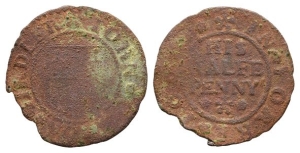
England. North Yorkshire, York, John Orton AE Half Penny Token. Dated 1666.
Sold for (Inc. bp): £7
✿ IOHN • ORTON • GIRDLER, Girdlers' Arms / ✿ IN ✱ YORKE ✱ 1666, HIS HALFE PENNY ✱✿✱ in four lines. Dickenson 424. 1.26gr, 20mm, 9h.
Fair.
Found Sutton on the Forest, Yorkshire, UK, in March 2000. From the private collection of Robin Sykes, Yorkshire, UK, formed since the late 1990s. Accompanied by an illustrated record slip by Jim Halliday dated 4 April 2000. -
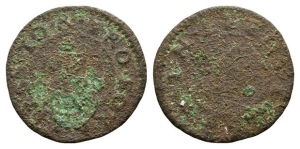
England. West Yorkshire, Leeds AE Half Penny Token. Dated 1668.
Sold for (Inc. bp): £7
I • PASS • TO • & • FRO • FOR, A HALF PENY / IN • LEEDS • 1668, sugar loaf. Dickenson 175. 1.22gr, 19mm.
Fine.
Found Huby, Yorkshire, UK. From the private collection of Robin Sykes, Yorkshire, UK, formed since the late 1990s. Accompanied by a record slip by Craig Barclay. -
![Group of Sixty [60] Jettons, Tokens and Coins.](https://timelineauctions.com/upload/images/items/small/232398-s.jpg)
Group of Sixty [60] Jettons, Tokens and Coins. 17th-20th century AD.
Sold for (Inc. bp): £52
Various types. 310gr total.
Condition as seen.
Found Yorkshire, UK. From the private collection of Robin Sykes, Yorkshire, UK, formed since the late 1990s.
