
Loading, please wait...
LOT 0921
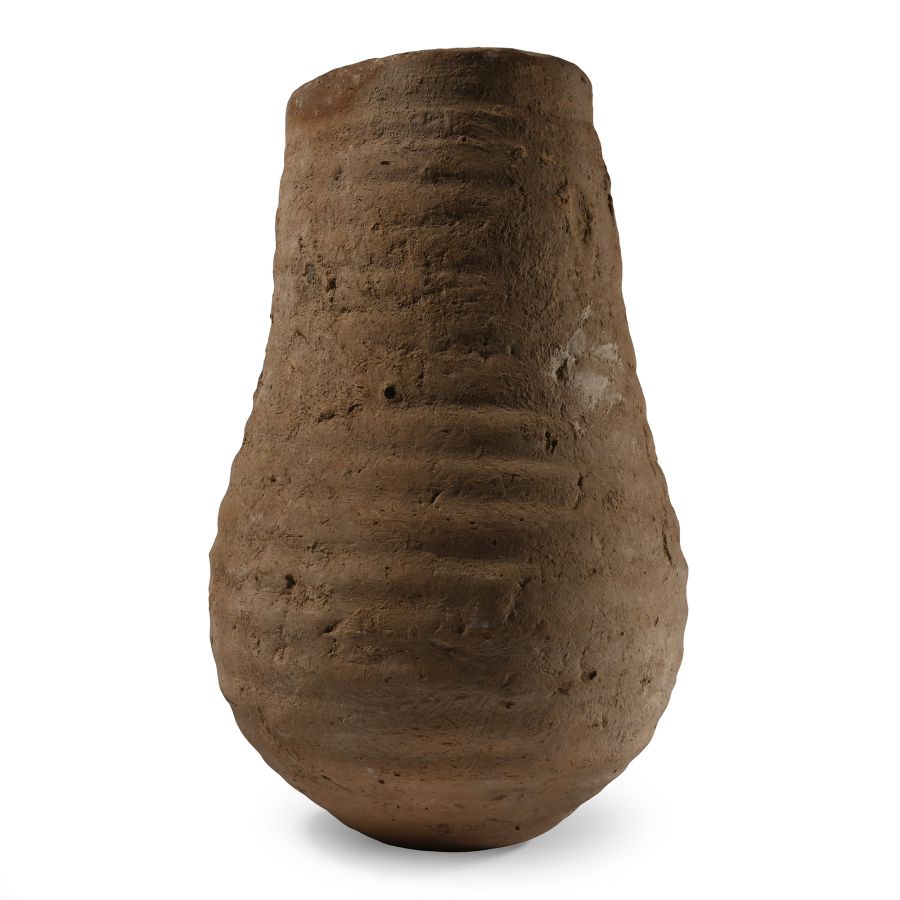
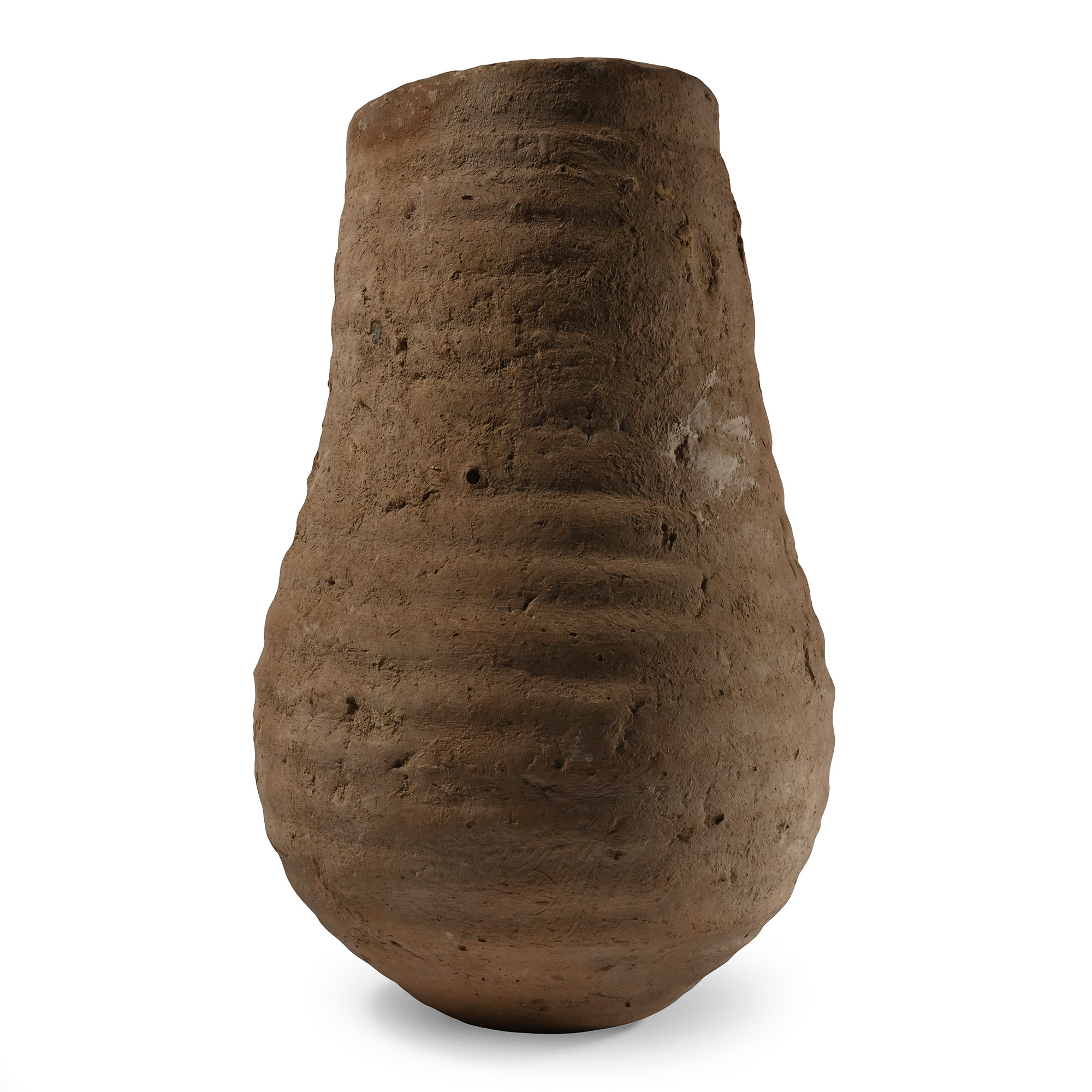
Byzantine Terracotta Storage Jar
CIRCA 6TH-8TH CENTURY A.D.
12 3/4 in. (3.92 kg, 32.5 cm).
With tapering sidewall and rounded base, coil-built with ridged surfaces.
ProvenanceEx London, UK, gallery, 1980s.
This lot is accompanied by an illustrated lot declaration signed by the Head of the Antiquities Department, Dr Raffaele D'Amato.
TimeLine Auctions follows a vetting process to ensure the authenticity and legality of all items, reinforcing our commitment to integrity and responsible trading. Each antiquity, antique, and coin lot undergoes thorough examination by a vetting committee of at least ten external specialists, professional trade association members, scientists, and archaeologists: Our Vetting Process
AUCTIONS:
TimeLine is a leading auction house specialising in antiquities, ancient art, collectables, natural history, coins, medals, and books. Our auctions offer museums, collectors, historians, and enthusiasts the opportunity to acquire unique and historically significant pieces.
-
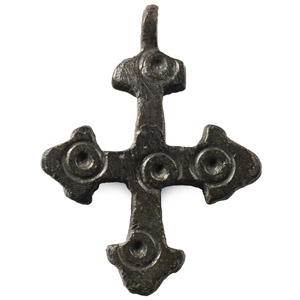
Byzantine Bronze Cross Pendant
9th-12th century A.D.Sold for (Inc. bp): £98
Cross pommée with punched ring-and-dot motifs, possibly representing the 'Five Wounds of Christ'. 3.99 grams, 32 mm
Ex German art market, 2000s. Acquired from an EU collector living in London. From the collection of a Surrey, UK, gentleman. This lot is accompanied by an illustrated lot declaration signed by the Head of the Antiquities Department, Dr Raffaele D'Amato. -
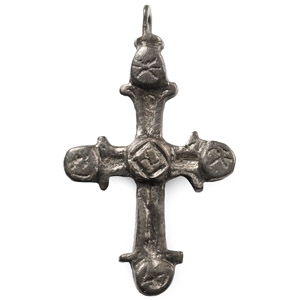
Byzantine Tinned Bronze Cross Pendant
10th-12th century A.D.Sold for (Inc. bp): £286
Cross pommée with a raised plaque to the centre and each arm. 12.9 grams, 51 mm
Ex German art market, 2000s. Acquired from an EU collector living in London. From the collection of a Surrey, UK, gentleman. This lot is accompanied by an illustrated lot declaration signed by the Head of the Antiquities Department, Dr Raffaele D'Amato. -
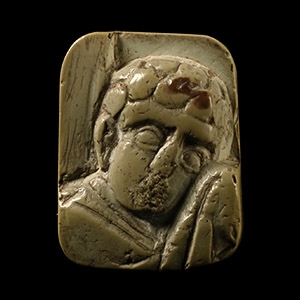
Byzantine Steatite Mount with a Saint
12th century A.D.Estimate: £700 - 900 (‡+bp*)
Opening Bid: £350
Showing a bust of a man dressed in a cloak and with his head turned to look over his right shoulder, possibly depicting St John; rectangular in plan with rounded corners. 2.52 grams, 19 mm
Acquired from Artemis Gallery, 2003. Private collection, Europe. This lot is accompanied by an illustrated lot declaration signed by the Head of the Antiquities Department, Dr Raffaele D'Amato.
