
Loading, please wait...
LOT 0782
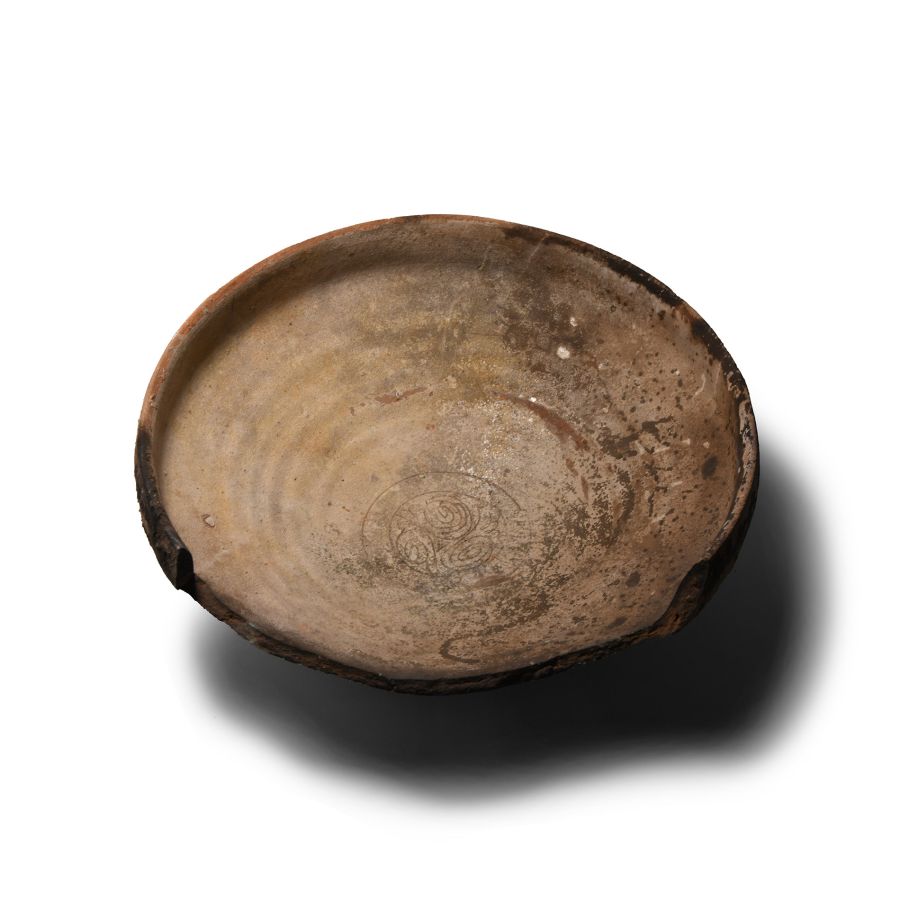
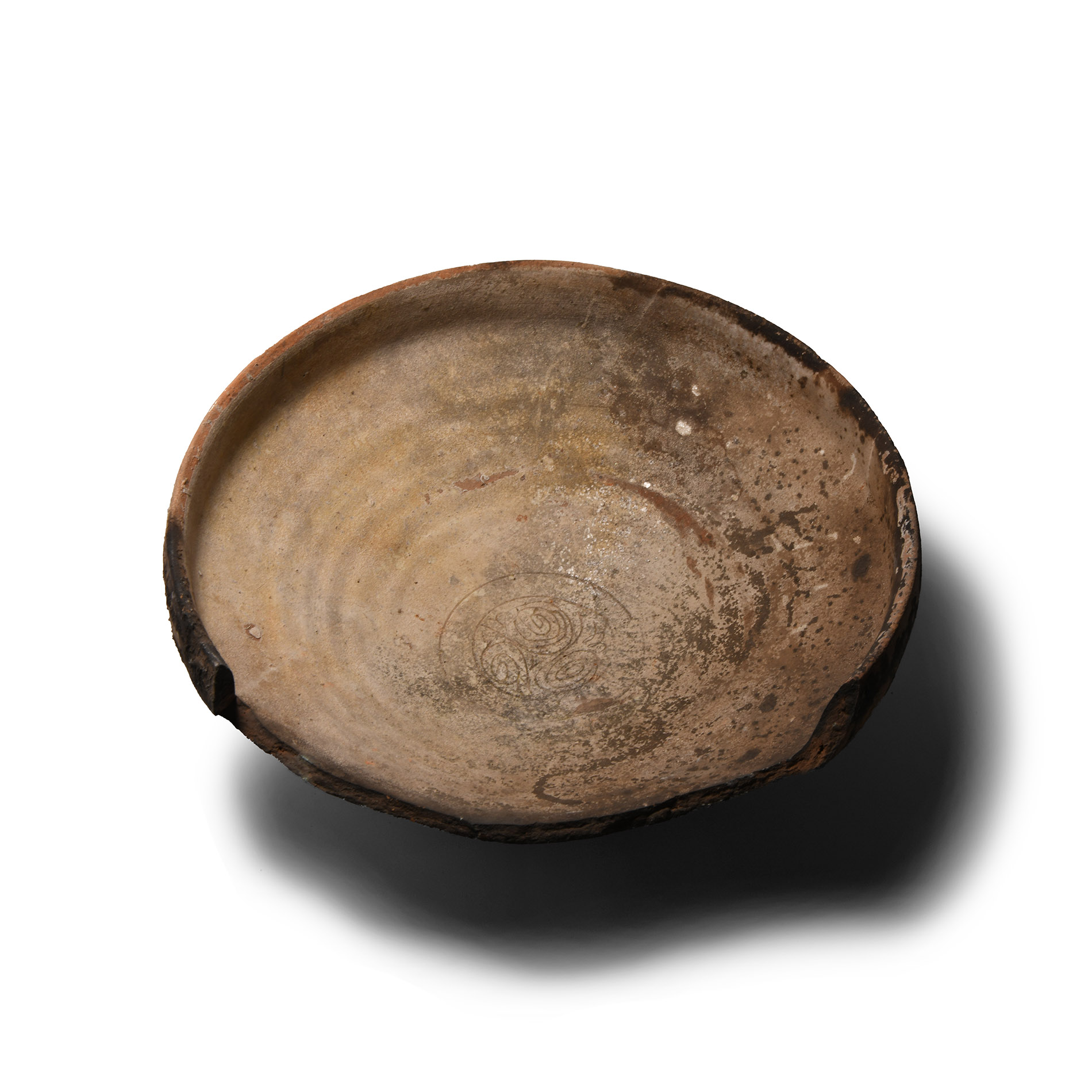
Byzantine Terracotta Shipwreck Bowl
CIRCA 12TH-14TH CENTURY A.D.
10 7/8 in. (1.1 kg, 27.5 cm wide).
Featuring a tapering sidewall, vertical convex rim and foot; stylised vegetal design to interior base; chipped rim. [No Reserve]
ProvenanceAcquired 1990s-early 2000s.
East Anglian private collection.
TimeLine Auctions follows a vetting process to ensure the authenticity and legality of all items, reinforcing our commitment to integrity and responsible trading. Each antiquity, antique, and coin lot undergoes thorough examination by a vetting committee of at least ten external specialists, professional trade association members, scientists, and archaeologists: Our Vetting Process
AUCTIONS:
TimeLine is a leading auction house specialising in antiquities, ancient art, collectables, natural history, coins, medals, and books. Our auctions offer museums, collectors, historians, and enthusiasts the opportunity to acquire unique and historically significant pieces.
-
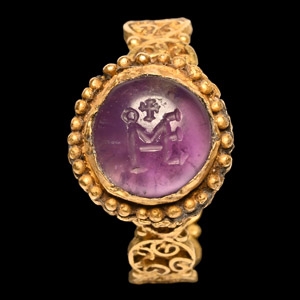
Byzantine Gold Filigree Ring with Monogram Amethyst Gemstone
5th-7th century A.D.Sold for (Inc. bp): £3,380
Composed of a delicate opus interrasile hoop, cup bezel with ribbed underside, granules to the rim, inset amethyst with monogram. 5.18 grams, 28.06 mm overall, 18.23 mm internal diameter (approximate size British N, USA 6 1/2, Europe 13.72, Japan 13)
Acquired 1970s-1980s. From the property of a deceased lady collector. This lot has been checked against the Interpol Database of stolen works of art and is accompanied by search certificate no.202957. -
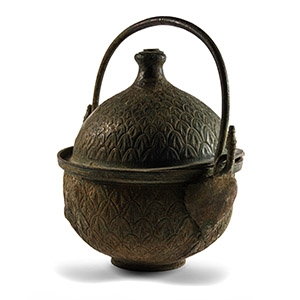
Byzantine Bronze Cooking Cauldron with Lidded Container for Steaming
5th-6th century A.D.Sold for (Inc. bp): £780
Composed of a hemispherical body and piriform lid with flange to the equator, hollow-formed lid and base with foot and removeable balustered finial with discoid cap to apex; body with two leaf-shaped plaques with loops to support the articulate round-section handle; body and lid decorated with dense feather or leaf detailing; very rare to find as complete. 406 grams, 16 cm high
cracked
Acquired 1969-1999. From the private collection of the late Mr S.M., London, UK, thence by descent. -
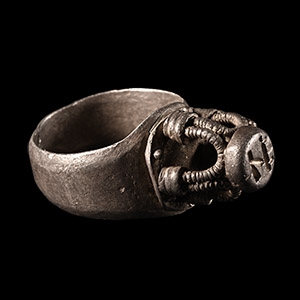
Byzantine Silver Architectural Ring
6th-8th century A.D.Sold for (Inc. bp): £234
Composed of a broad hoop with gently chamfered upper and lower edge, openwork bezel with monogram to top; early Byzantine or Lombardic. 10.48 grams, 32.95 mm overall,18.10 mm internal diameter (approximate size British P 1/2, USA 7 3/4, Europe 16.26, Japan 16)
Acquired 1990s-early 2000s. East Anglian private collection.
