
Loading, please wait...
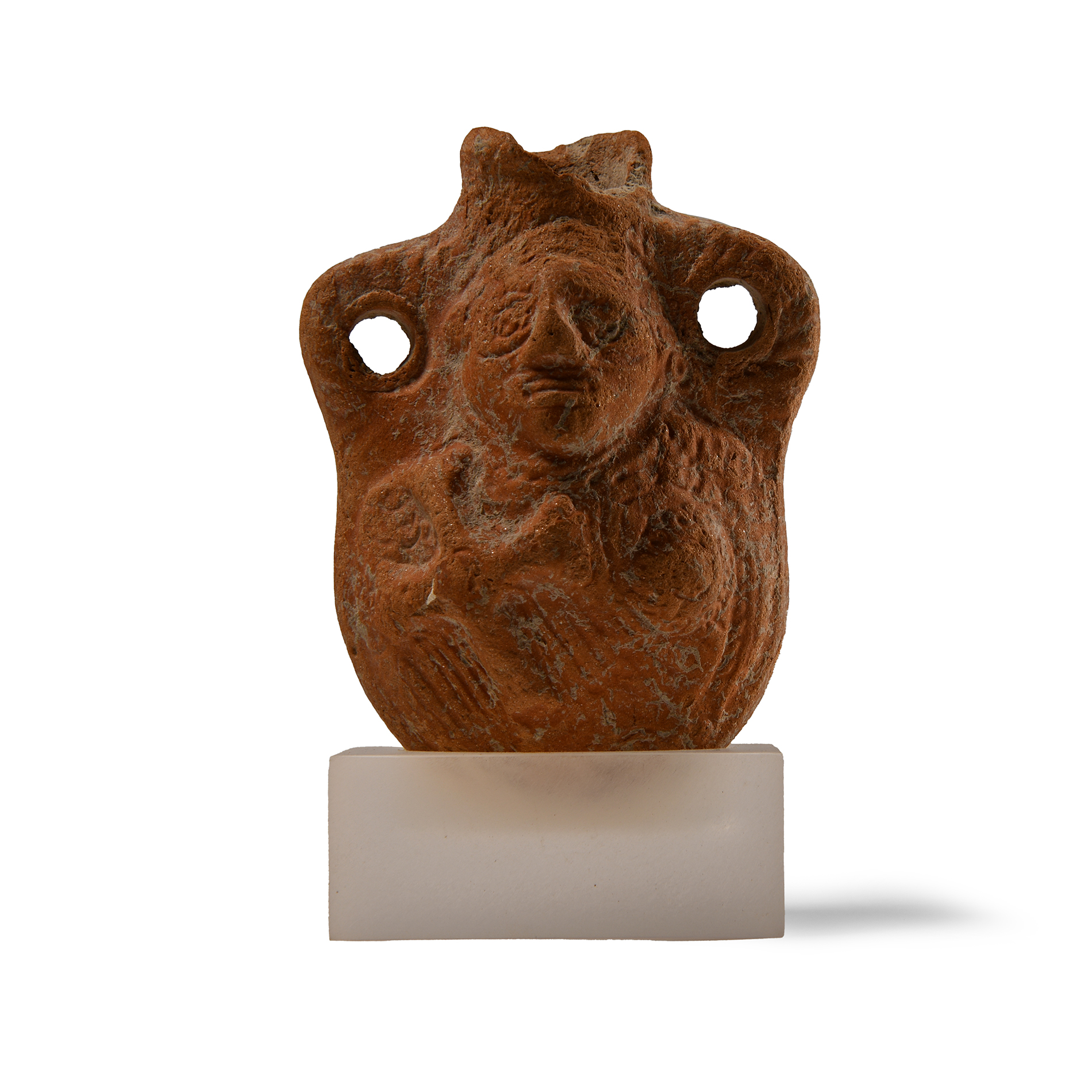
LOT 0199
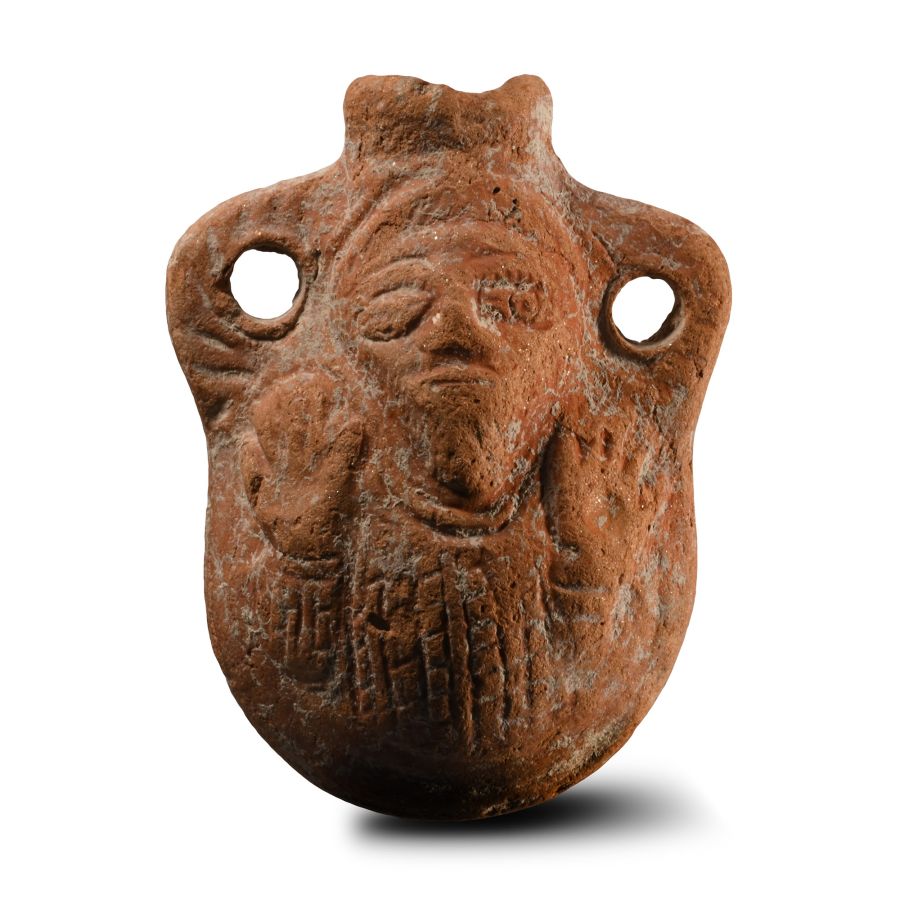
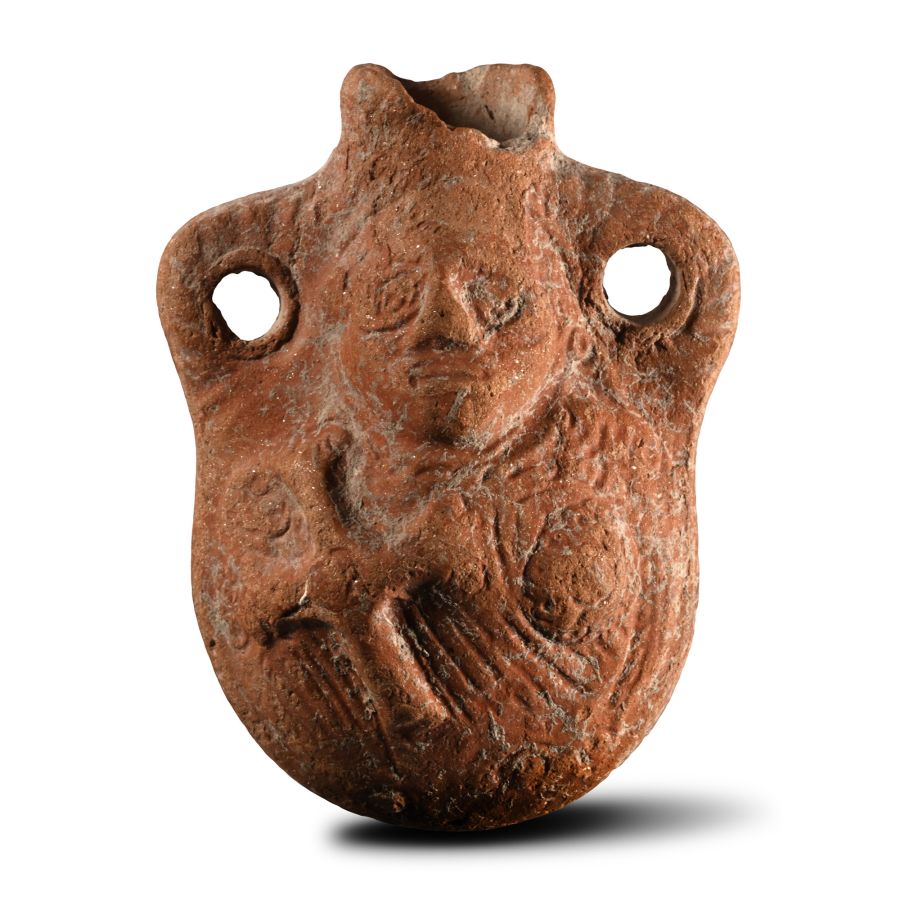
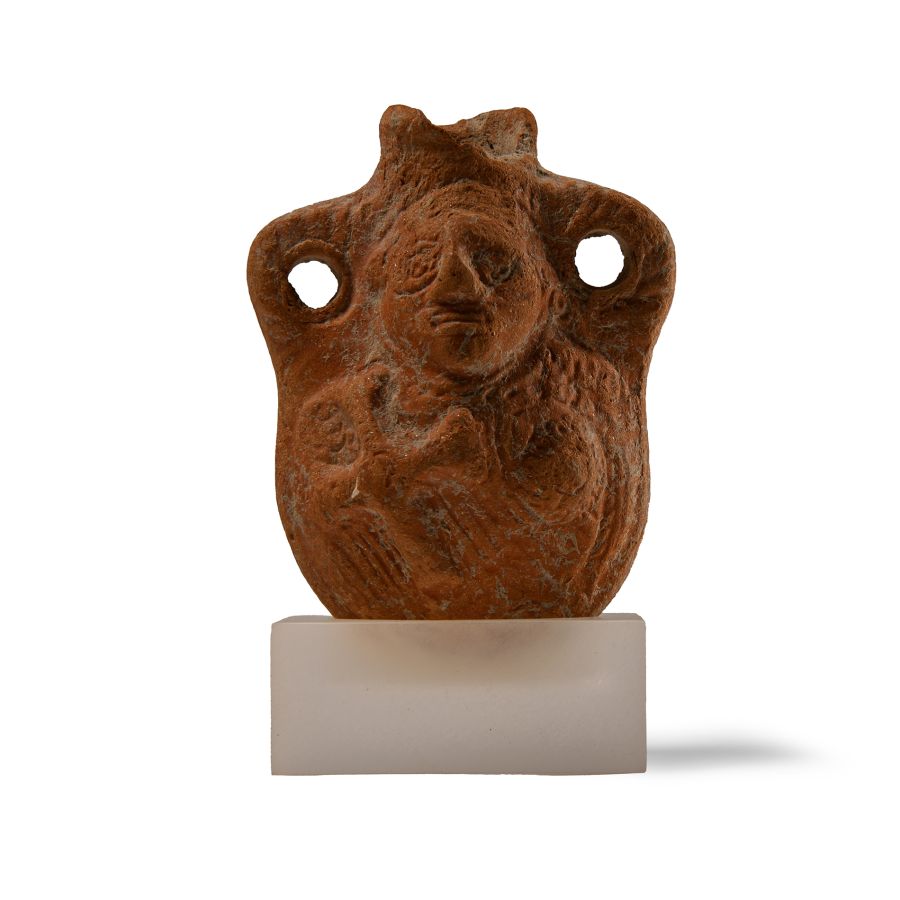
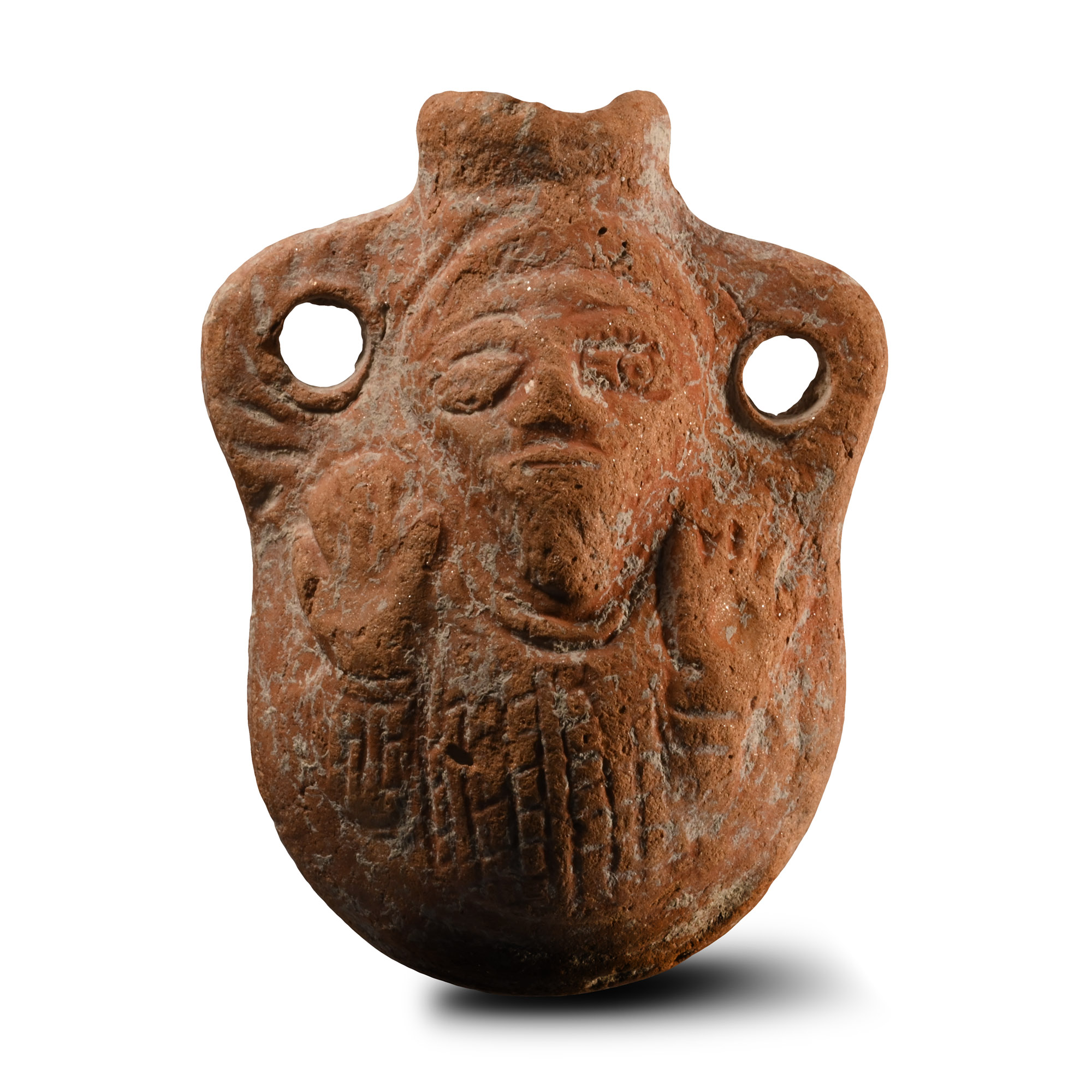
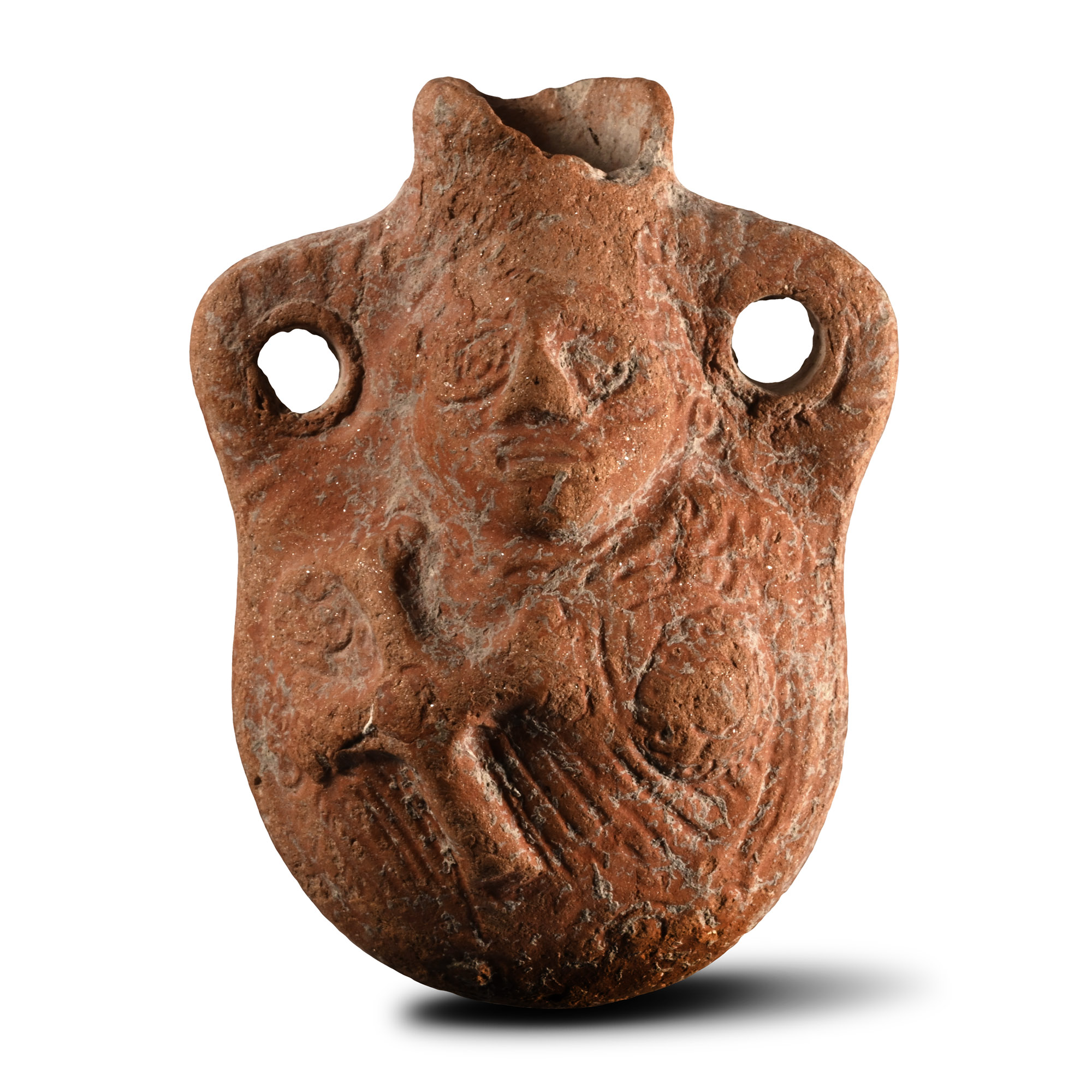
Byzantine Terracotta Pilgrim Flask with a Saint
6TH CENTURY A.D.
3 in. (3 1/2 in.) (47.2 grams, 77 mm (71.4 grams total, 91 mm including stand)).
Piriform in profile with two thick lug handles to the shoulder, obverse with low-relief facing figure holding a large cross and orb, reverse with facing figure with hand held up in the orans posture; with a display stand.
ProvenanceEx private collection, Mrs L.S., 1990s.
Acquired from the above, 2001.
Private European collection.
This lot has been checked against the Interpol Database of stolen works of art and is accompanied by a search certificate number no.12110-218216.
This lot is accompanied by an illustrated lot declaration signed by the Head of the Antiquities Department, Dr Raffaele D'Amato.
Cf. Wamser, L., Die Welt von Byzanz - Europas Östliches Erbe, München, 2004, items 286-289, for discussion; Comstock, M.B. (ed.), Romans and Barbarians, Boston, 1976, p.203, nos.237-239, for similar.
FootnotesAmpullae like this one were filled with water from holy places, like the lake near the Sanctuary of Saint Menas, famous for its healing properties. In Egypt in the 6th-7th century, and throughout the eastern part of the Roman Empire, these ampullae were an integral part of the equipment of pilgrims visiting holy places and who, like today, carried with them a portion of holy water considered miraculous against ailments of the body and soul.
CONDITIONTimeLine Auctions follows a vetting process to ensure the authenticity and legality of all items, reinforcing our commitment to integrity and responsible trading. Each antiquity, antique, and coin lot undergoes thorough examination by a vetting committee of at least ten external specialists, professional trade association members, scientists, and archaeologists: Our Vetting Process
AUCTIONS:
TimeLine is a leading auction house specialising in antiquities, ancient art, collectables, natural history, coins, medals, and books. Our auctions offer museums, collectors, historians, and enthusiasts the opportunity to acquire unique and historically significant pieces.
-
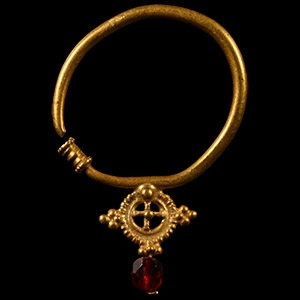
Byzantine Gold Earring with Cross and Garnet
Circa 8th-10th century A.D.Estimate: £800 - 1,000 (‡+bp*)
Opening Bid: £360
Penannular hoop with applied collars, applied discoid plaque with beaded rum and openwork cross to the centre, lateral granule clusters, facetted garnet bead below. 6.53 grams, 44 mm
Acquired in the mid 1980s-1990s. Private collection, Switzerland, thence by descent. Private collection, since the late 1990s. This lot is accompanied by an illustrated lot declaration signed by the Head of the Antiquities Department, Dr Raffaele D'Amato. -
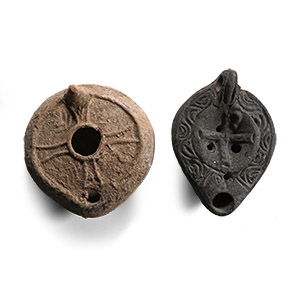
Byzantine Ceramic Oil Lamp Collection
5th-6th century A.D.Sold for (Inc. bp): £169
Comprising: a piriform oil lamp with short nozzle and ring handle, low discus with three filler holes and a Chi Rho motif, base fragmentary; a round lamp with a low-relief expanding cross on the discus, a palm branch to the top left quadrant, and the other three quadrants with different symbols, a cross beneath the nozzle with wavy lines circulating the low basal ring. 194 grams total, 9.5-10 cm
with Galerie Rhéa, Zurich, Switzerland. This lot is accompanied by an illustrated lot declaration signed by the Head of the Antiquities Department, Dr Raffaele D'Amato. -
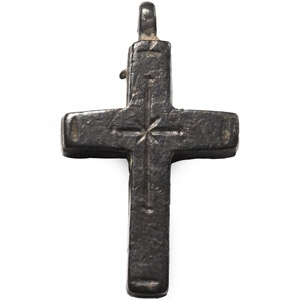
Byzantine Silver Reliquary Cross Pendant
14th-15th century A.D.Sold for (Inc. bp): £59
Composed of two pieces secured together by a rivet, incised cross motif to both faces. 5.15 grams, 30 mm
Ex German art market, 2000s. Acquired from an EU collector living in London. From the collection of a Surrey, UK, gentleman. This lot is accompanied by an illustrated lot declaration signed by the Head of the Antiquities Department, Dr Raffaele D'Amato.
