
Loading, please wait...
LOT 2034
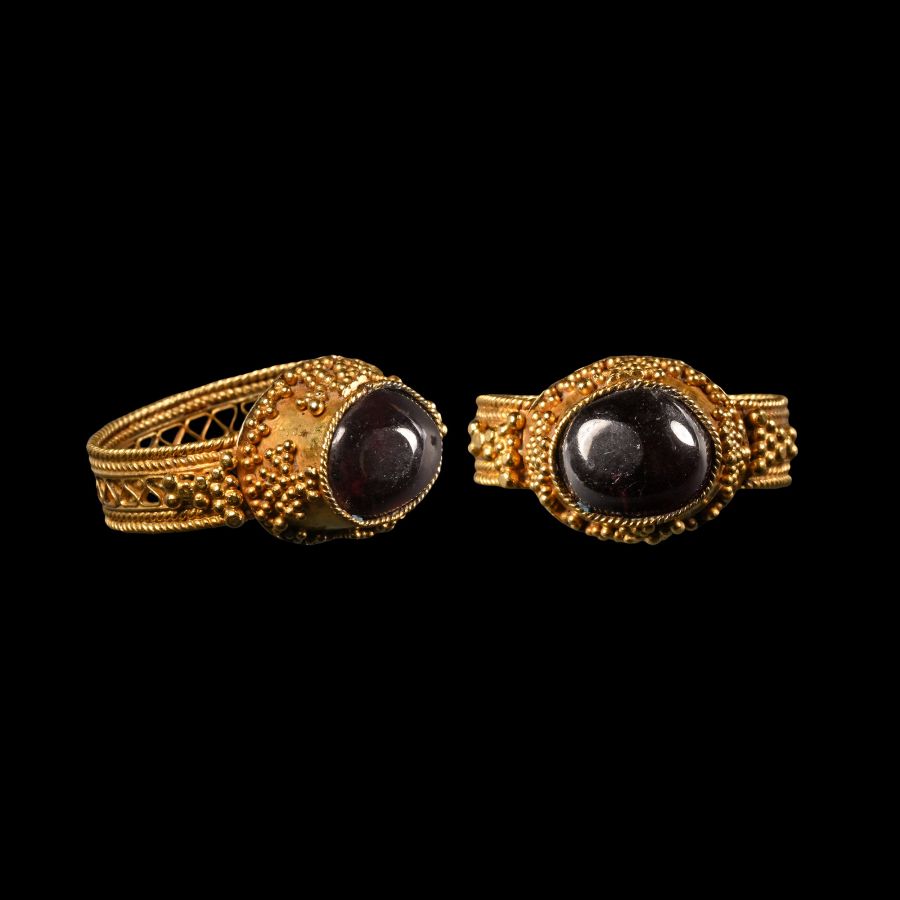
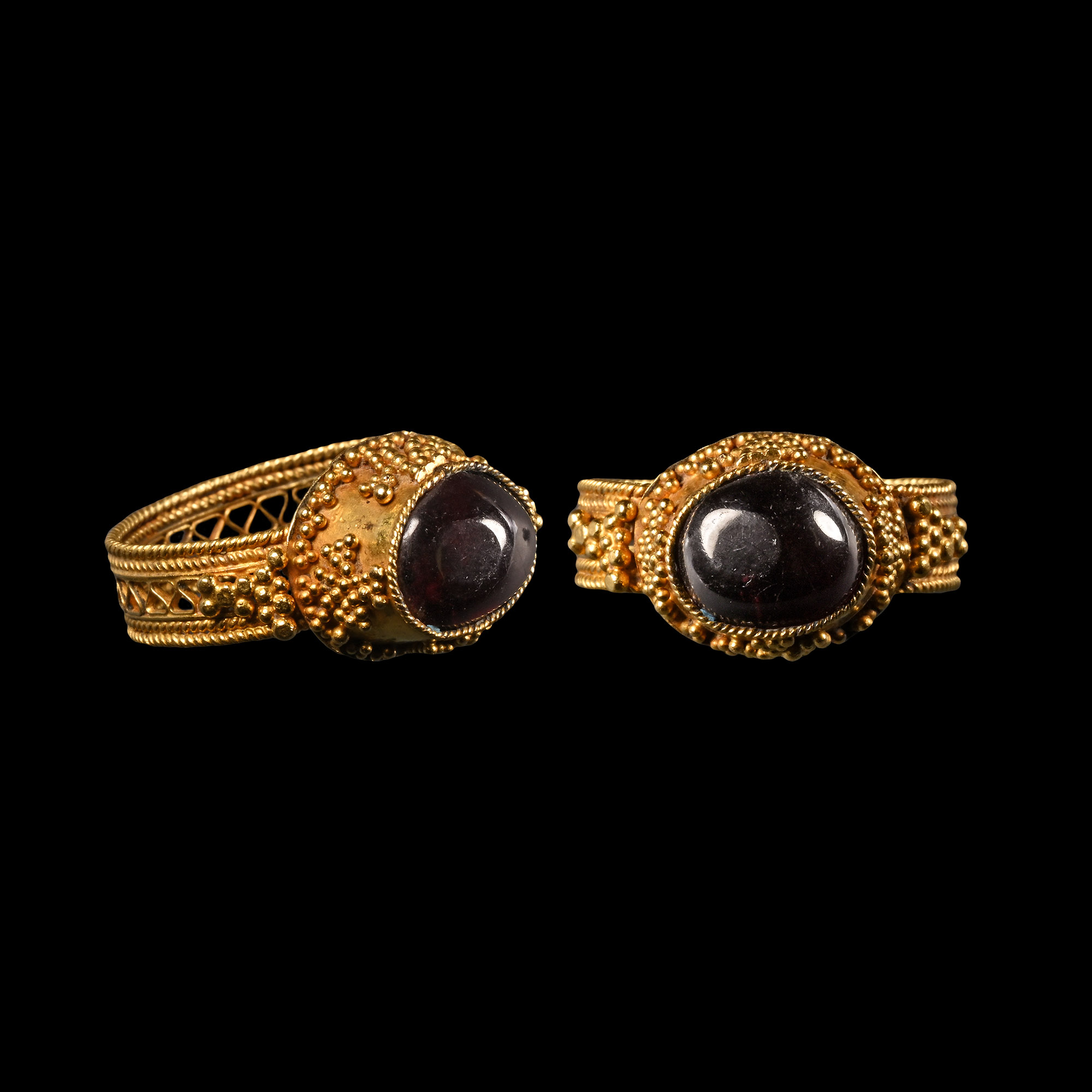
Byzantine Style Gold Ring
20TH CENTURY A.D. AND EARLIER
1 1/8 in. (7.55 grams, 28.74 mm overall, 21.12 mm internal diameter (approximate size British R, USA 8 1/2, Europe 18 3/4, Japan 18)).
Flat-section hoop in 5th-6th century A.D. Byzantine style with openwork median band flanked by filigree ropework, granule cluster to each shoulder, the bezel a tall tapering cell with cruciform and other granule clusters, inset slightly irregular ancient cabochon garnet. [No Reserve]
ProvenanceFrom a New York, USA, private collection.
Acquired in the 1990s.
Property of a North American gallery.
TimeLine Auctions follows a vetting process to ensure the authenticity and legality of all items, reinforcing our commitment to integrity and responsible trading. Each antiquity, antique, and coin lot undergoes thorough examination by a vetting committee of at least ten external specialists, professional trade association members, scientists, and archaeologists: Our Vetting Process
AUCTIONS:
TimeLine is a leading auction house specialising in antiquities, ancient art, collectables, natural history, coins, medals, and books. Our auctions offer museums, collectors, historians, and enthusiasts the opportunity to acquire unique and historically significant pieces.
-
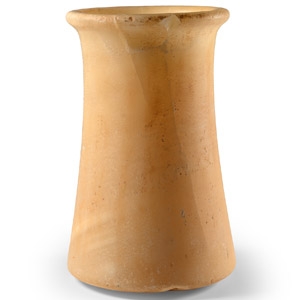
Bactrian Style Alabaster Vessel
20th century A.D.Sold for (Inc. bp): £117
With tubular body expanding toward the rounded base, everted wide rim; repaired. 1.8 kg, 19.5 cm
Ex London, UK, art market, 1990s. -
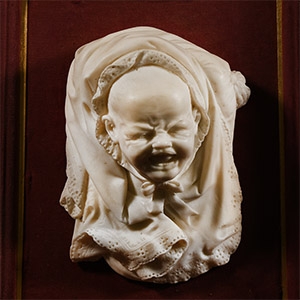
Framed Marble Bust of a Crying Baby
Early 20th century A.D.Sold for (Inc. bp): £182
With brass plate 'La Vie en Perspective: L'épingle qui pique' (Life in Perspective: the pin which pricks); finely modelled infant's face with open mouth and protruding tongue; lace borders to the hooded garment and ribbon tied beneath the throat; wooden frame with gilt and velvet field. 5.5 kg, 54.5 x 49 cm
Acquired on the UK art market. -
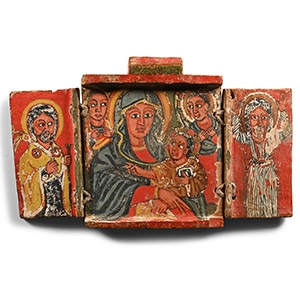
Ethiopian Folding Wooden Triptych Icon
Early 17th century A.D.Sold for (Inc. bp): £1,170
Portable shrine with painted geometric ornament to the outer face. opening doors to reveal a triptych with central image of Mary Theotokos and Child, Abune Gebre Menfes Kidus with hands raised, nimbate figure with yellow cloak and tau-cross staff. 66 grams, 94 mm high
Acquired in 2000 from a French private collection. Ex central London gallery.
