
Loading, please wait...
LOT 0935
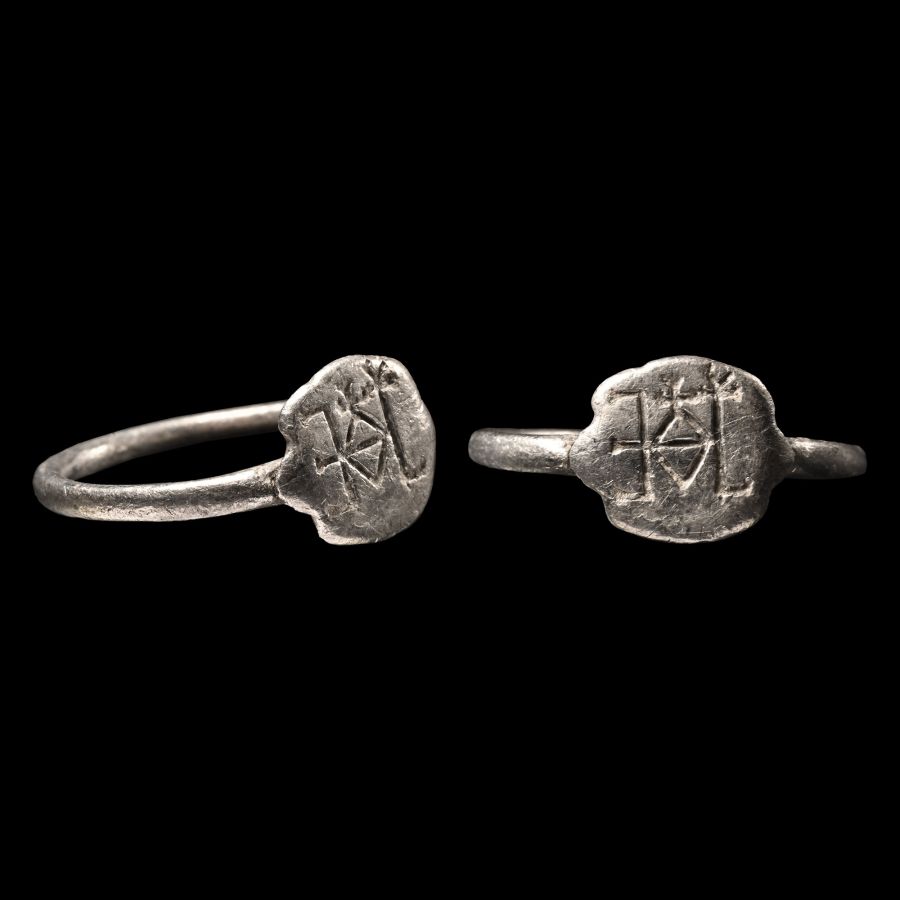
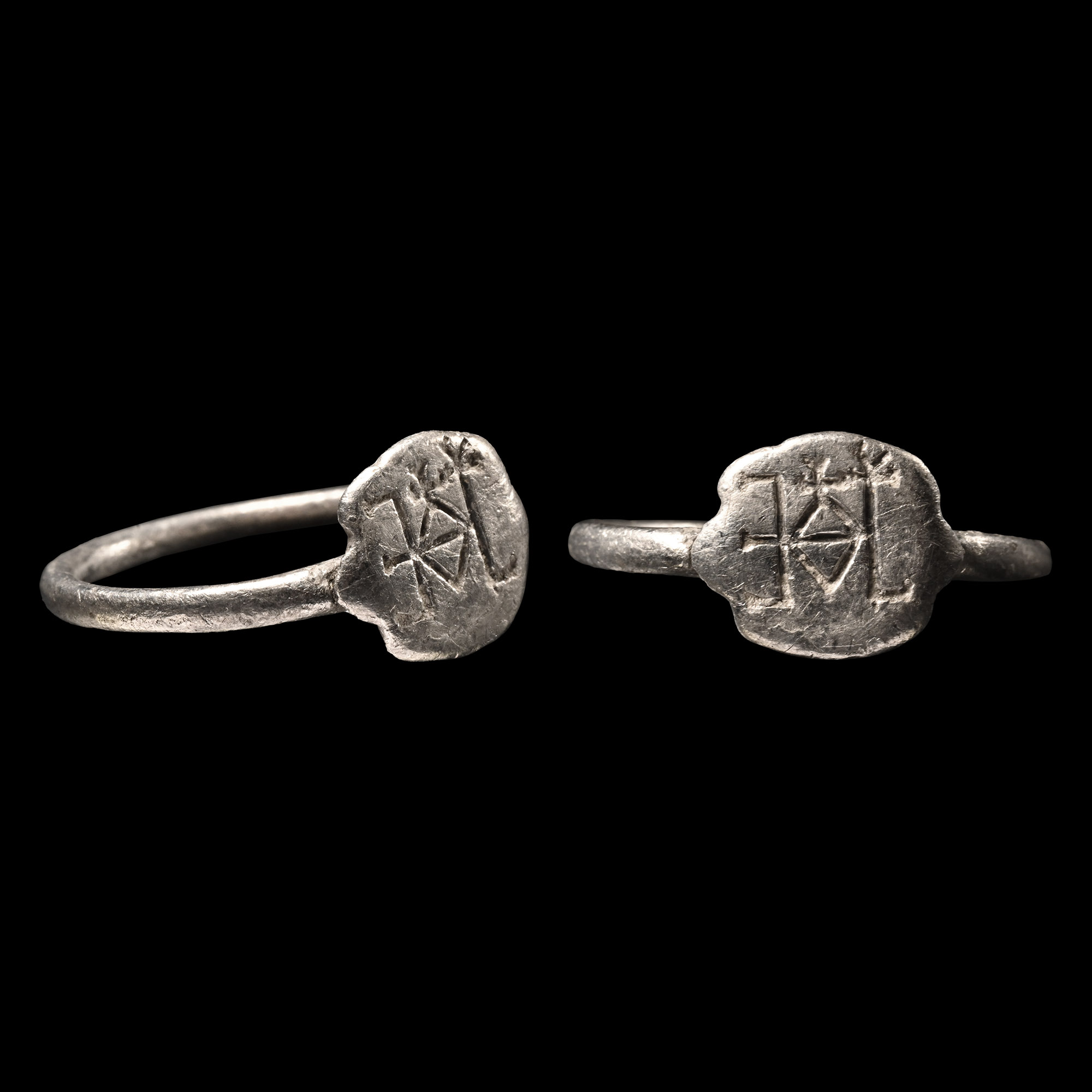
Byzantine Silver Ring with Monogram
6TH-7TH CENTURY A.D.
3/4 in. (2.39 grams, 21.45 mm overall, 17.95 mm internal diameter (approximate size British N 1/2, USA 6 3/4, Europe 14.35, Japan 13)).
Comprising a round-section hoop with applied discoid bezel bearing a monogram. [No Reserve]
ProvenanceEx German art market, 2000s.
Acquired from an EU collector living in London.
From the collection of a Surrey, UK, gentleman.
This lot is accompanied by an illustrated lot declaration signed by the Head of the Antiquities Department, Dr Raffaele D'Amato.
TimeLine Auctions follows a vetting process to ensure the authenticity and legality of all items, reinforcing our commitment to integrity and responsible trading. Each antiquity, antique, and coin lot undergoes thorough examination by a vetting committee of at least ten external specialists, professional trade association members, scientists, and archaeologists: Our Vetting Process
AUCTIONS:
TimeLine is a leading auction house specialising in antiquities, ancient art, collectables, natural history, coins, medals, and books. Our auctions offer museums, collectors, historians, and enthusiasts the opportunity to acquire unique and historically significant pieces.
-
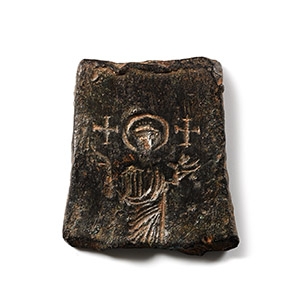
Byzantine Bronze Patrix Die of a Saint
Circa 6th-8th century A.D.Sold for (Inc. bp): £234
Rectangular in plan with incuse standing robed figure facing between crosses potent, hands in orans pose and nimbus to the head. 17.78 grams, 30 mm
Ex London and Home Counties gentleman, R.W., 1970s. This lot is accompanied by an illustrated lot declaration signed by the Head of the Antiquities Department, Dr Raffaele D'Amato. -
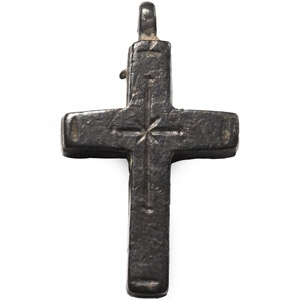
Byzantine Silver Reliquary Cross Pendant
14th-15th century A.D.Sold for (Inc. bp): £59
Composed of two pieces secured together by a rivet, incised cross motif to both faces. 5.15 grams, 30 mm
Ex German art market, 2000s. Acquired from an EU collector living in London. From the collection of a Surrey, UK, gentleman. This lot is accompanied by an illustrated lot declaration signed by the Head of the Antiquities Department, Dr Raffaele D'Amato. -
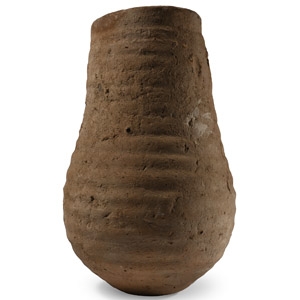
Byzantine Terracotta Storage Jar
Circa 6th-8th century A.D.Sold for (Inc. bp): £117
With tapering sidewall and rounded base, coil-built with ridged surfaces. 3.92 kg, 32.5 cm
Ex London, UK, gallery, 1980s. This lot is accompanied by an illustrated lot declaration signed by the Head of the Antiquities Department, Dr Raffaele D'Amato.
