
Loading, please wait...
LOT 0806
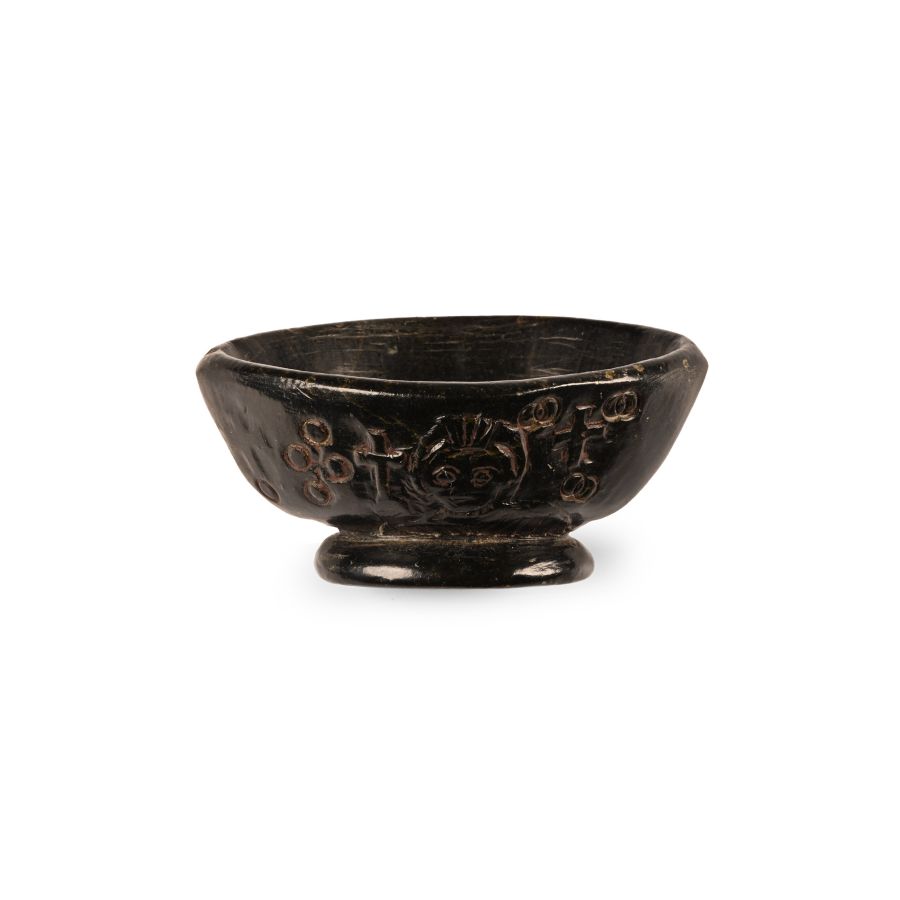
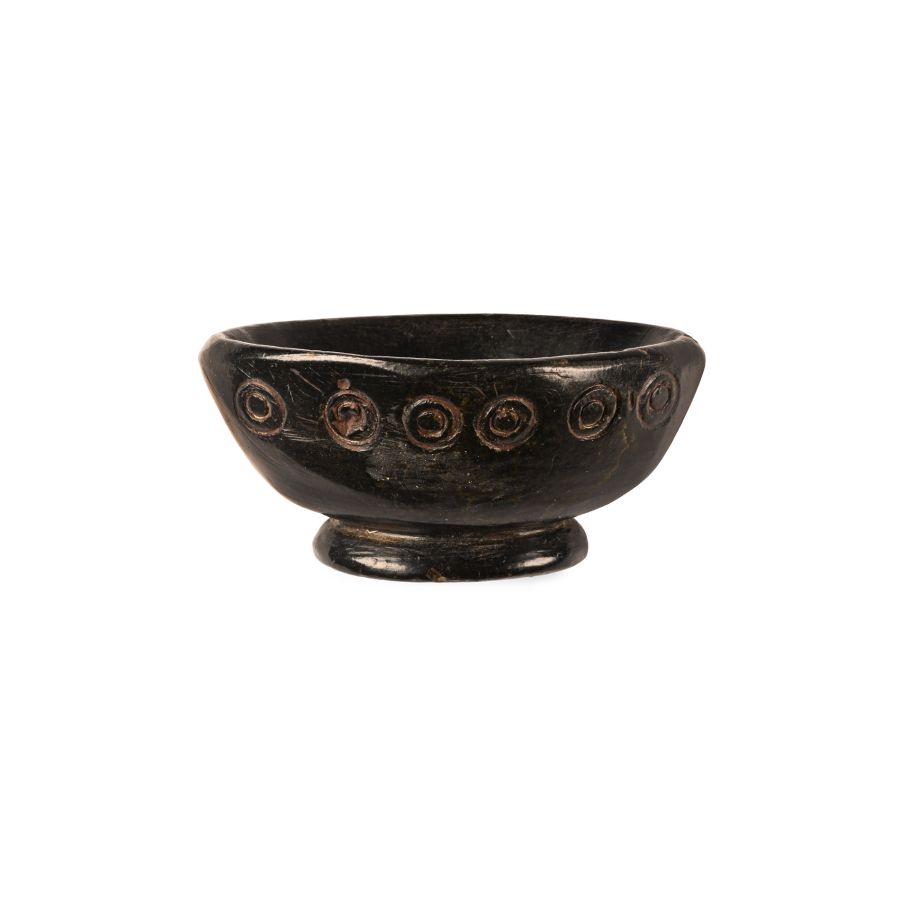
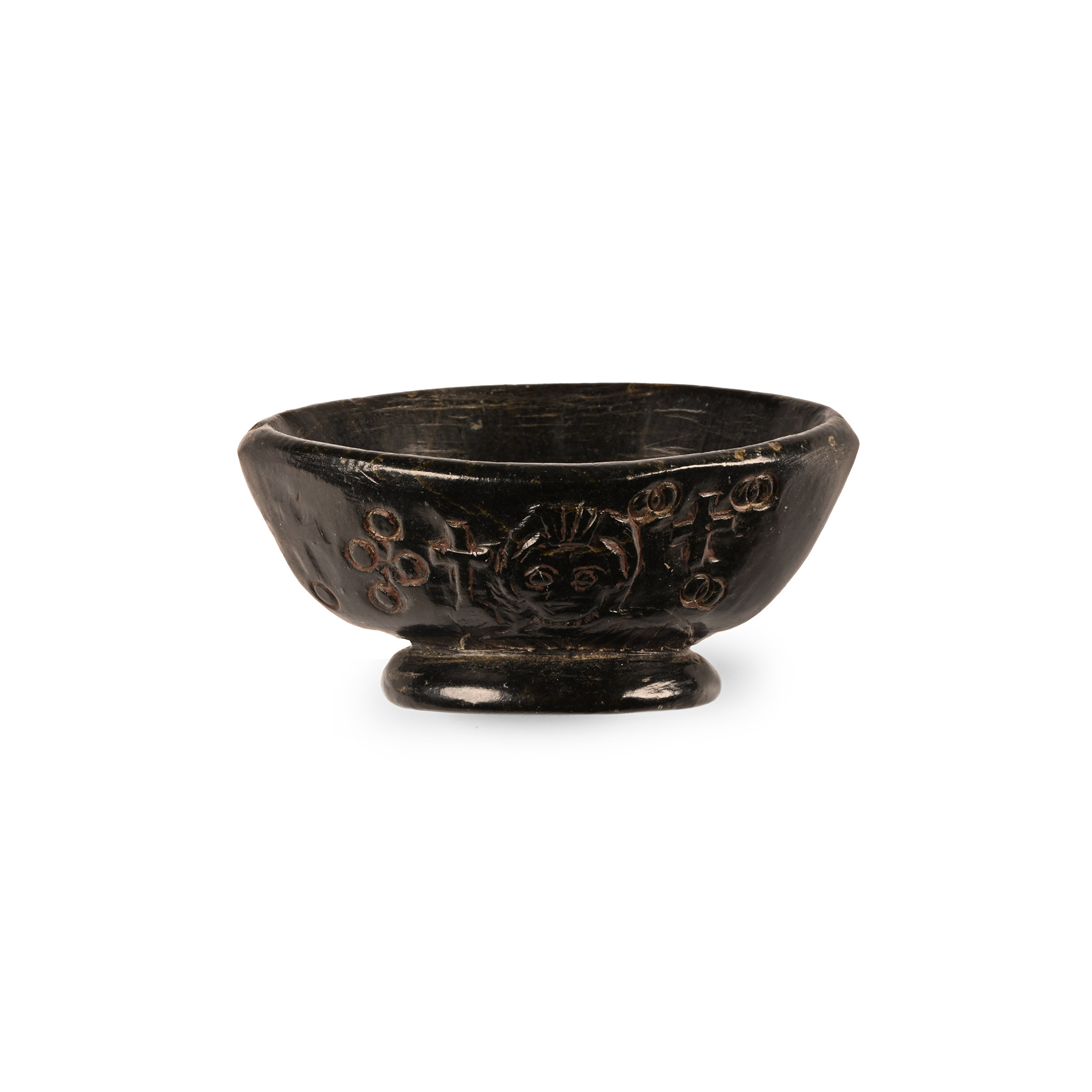
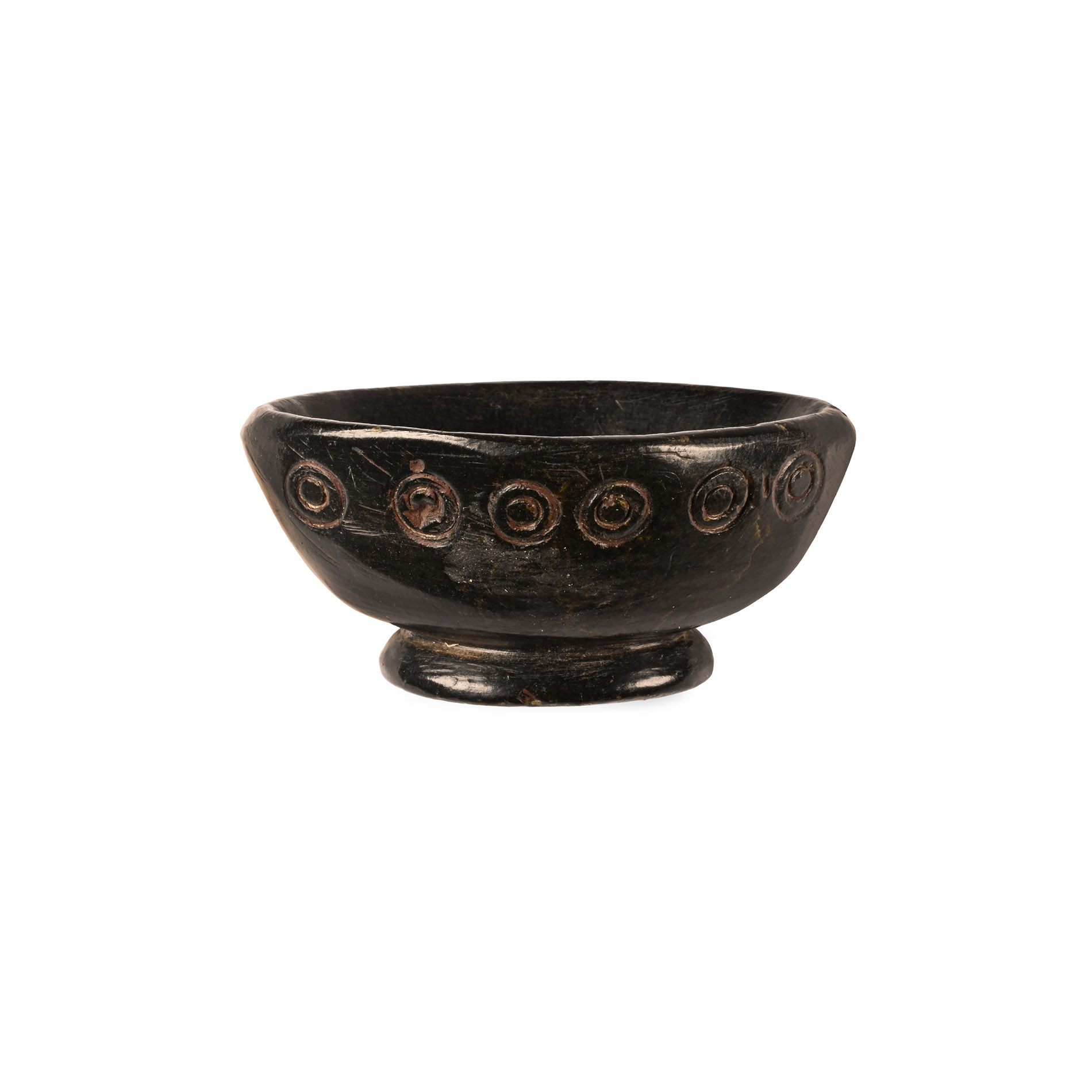
Byzantine Polished Black Stone Dish with Bust of an Emperor
5TH CENTURY A.D. OR LATER
2 3/8 in. (49.7 grams, 59 mm).
Featuring a pedestal foot; the bust carved to one face, holding a globus cruciger in one hand, crosses and annulets in left and right fields, a horizontal register of concentric roundels to the opposite face. [No Reserve]
ProvenanceFrom a Paris gallery, French collection pre 1978.
CONDITIONTimeLine Auctions follows a vetting process to ensure the authenticity and legality of all items, reinforcing our commitment to integrity and responsible trading. Each antiquity, antique, and coin lot undergoes thorough examination by a vetting committee of at least ten external specialists, professional trade association members, scientists, and archaeologists: Our Vetting Process
AUCTIONS:
TimeLine is a leading auction house specialising in antiquities, ancient art, collectables, natural history, coins, medals, and books. Our auctions offer museums, collectors, historians, and enthusiasts the opportunity to acquire unique and historically significant pieces.
LOT 0806
Byzantine Polished Black Stone Dish with Bust of an Emperor
Sold for (Inc. bp): £260
-
.jpg)
Byzantine Gold Coin Bead Necklace
Coin dated 565-578 A.D.Sold for (Inc. bp): £286
Composed of assorted small round banded agate and carnelian beads with small cylinders between, featuring a gold solidus coin pendant of Emperor Justin II; modern screw clasp. 17.6 grams, 41 cm long
From an important North London collection formed before 1980. -
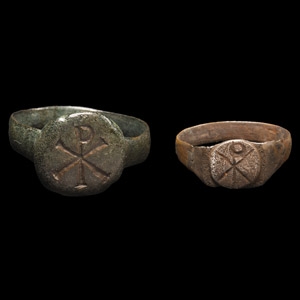
Byzantine Silver and Bronze Rings with Chi Rho Symbols
8th-15th century A.D.Sold for (Inc. bp): £195
One with incised lines and punched crescent; one with seriffed Chi Rho symbol. 7.32 grams total, 18-24 mm
From the collection of an EU gentleman formed in the 1990s. Acquired on the UK market. -
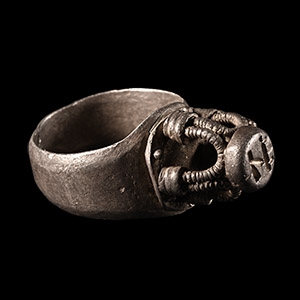
Byzantine Silver Architectural Ring
6th-8th century A.D.Sold for (Inc. bp): £234
Composed of a broad hoop with gently chamfered upper and lower edge, openwork bezel with monogram to top; early Byzantine or Lombardic. 10.48 grams, 32.95 mm overall,18.10 mm internal diameter (approximate size British P 1/2, USA 7 3/4, Europe 16.26, Japan 16)
Acquired 1990s-early 2000s. East Anglian private collection.
