
Loading, please wait...
LOT 1124
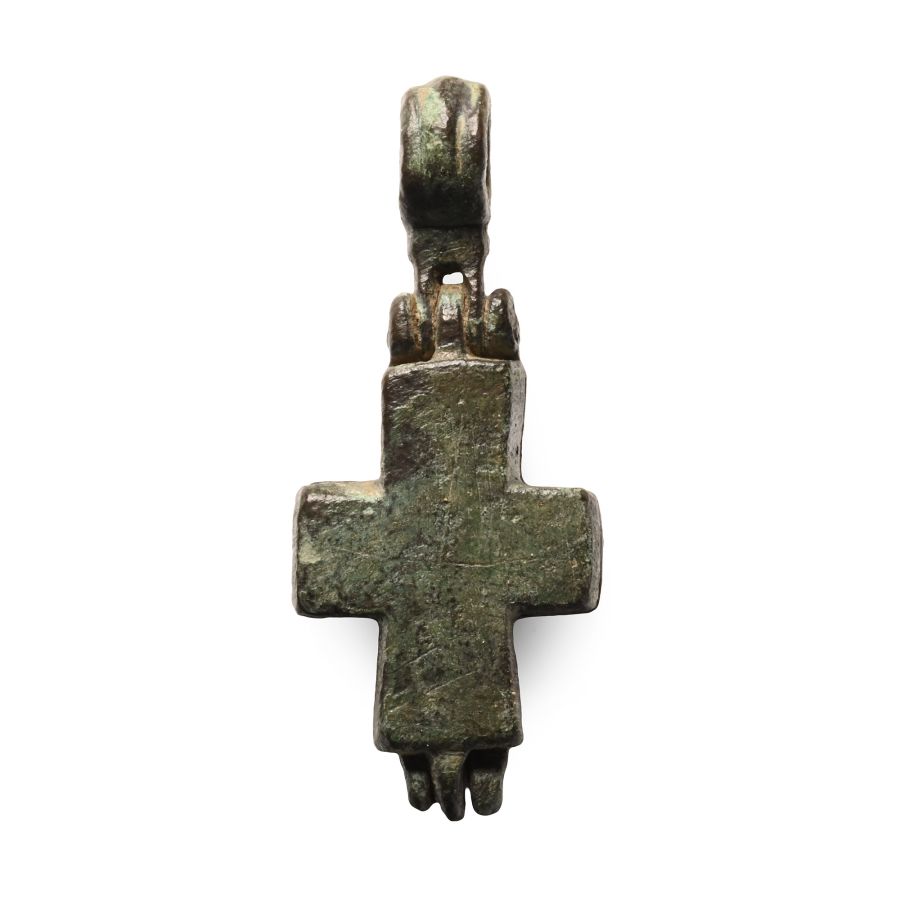
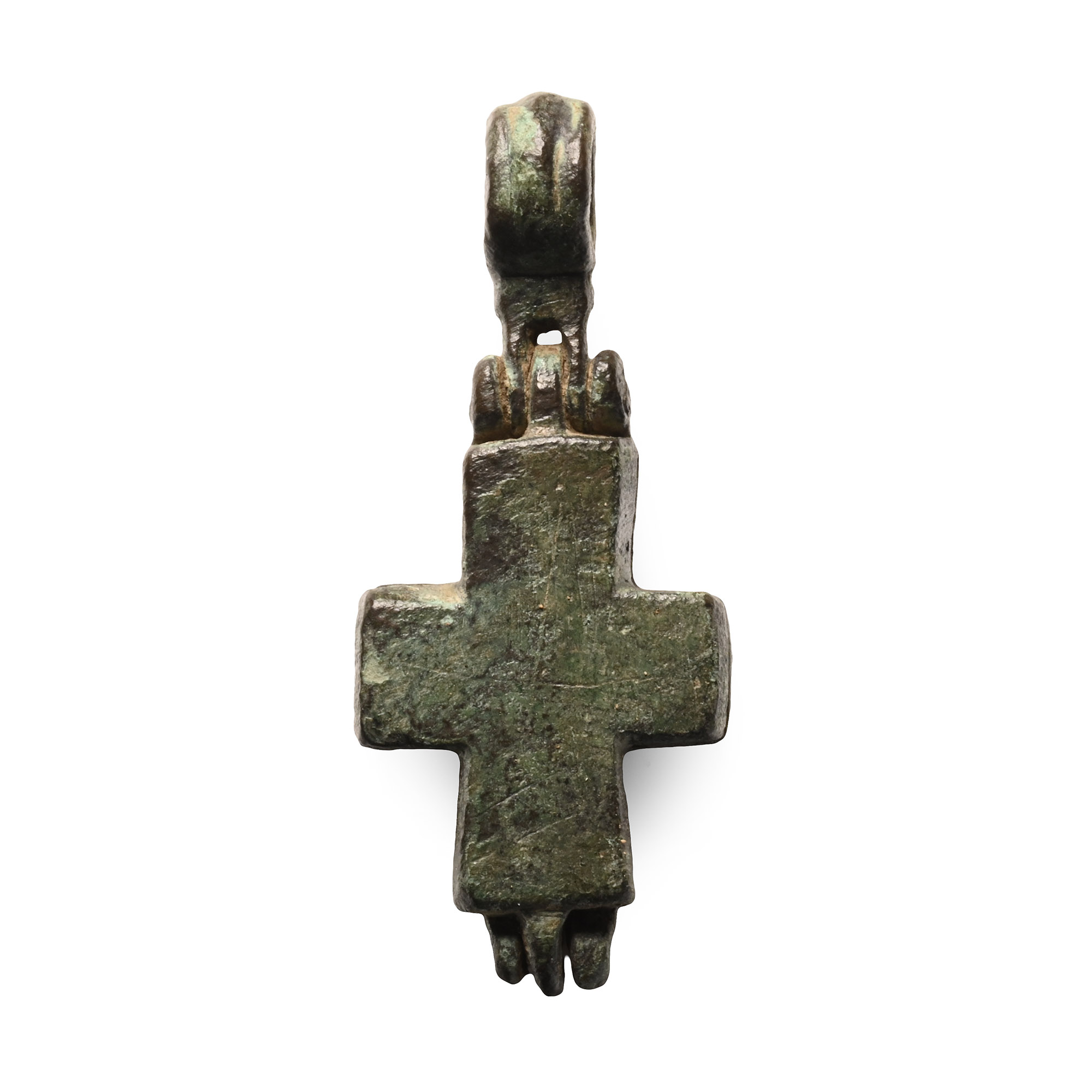
Byzantine Bronze Reliquary Cross Pendant
10TH-12TH CENTURY A.D.
1 1/2 in. (7.12 grams, 39 mm).
A small enkolpion with hinged undecorated plates, articulated suspension loop above. [No Reserve]
ProvenanceEx German art market, 2000s.
Acquired from an EU collector living in London.
From the collection of a Surrey, UK, gentleman.
TimeLine Auctions follows a vetting process to ensure the authenticity and legality of all items, reinforcing our commitment to integrity and responsible trading. Each antiquity, antique, and coin lot undergoes thorough examination by a vetting committee of at least ten external specialists, professional trade association members, scientists, and archaeologists: Our Vetting Process
AUCTIONS:
TimeLine is a leading auction house specialising in antiquities, ancient art, collectables, natural history, coins, medals, and books. Our auctions offer museums, collectors, historians, and enthusiasts the opportunity to acquire unique and historically significant pieces.
-
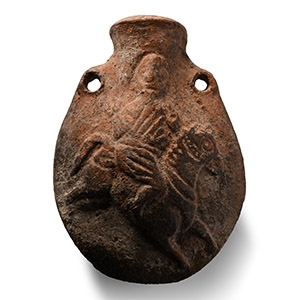
Byzantine Ceramic Pilgrim's Flask with Christ and Donkey
Circa 6th-8th century A.D.Sold for (Inc. bp): £338
Lentoid in section and teardrop-shaped in profile with flared mouth and pierced shoulders, low-relief image of a nimbate man riding a donkey to each face. 30.3 grams, 71 mm
Ex Mayfair, London, UK, gallery, 2000s. -
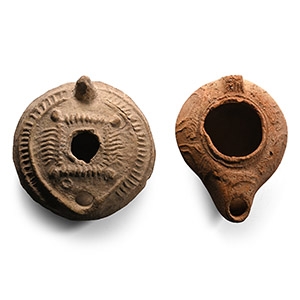
Byzantine Ceramic Oil Lamp Collection
6th-8th century A.D.Estimate: £180 - 240 (‡+bp*)
Opening Bid: £90
Comprising: a piriform lamp with a band of stylised quadrupeds surrounding the large filler hole, ribbed handle; a discoid lamp with raised linear decoration, wheel motif to base. 195 grams total, 9.6-10.1 cm
with Galerie Rhéa, Zurich, Switzerland. -
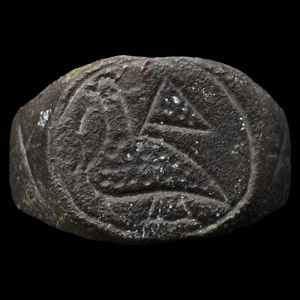
Byzantine Bronze Ring with Dove of Peace
12th-15th century A.D.Sold for (Inc. bp): £46
Wide hoop with X-motis on the shoulders, oval bezel with stylised dove holding a sprig in its beak. 4.90 grams, 21.74 mm overall, 19.61 mm internal diameter (approximate size British T, USA 9 1/2, Europe 21.26, Japan 20)
Ex German art market, 2000s. Acquired from an EU collector living in London. From the collection of a Surrey, UK, gentleman.
