
Loading, please wait...
LOT 1008
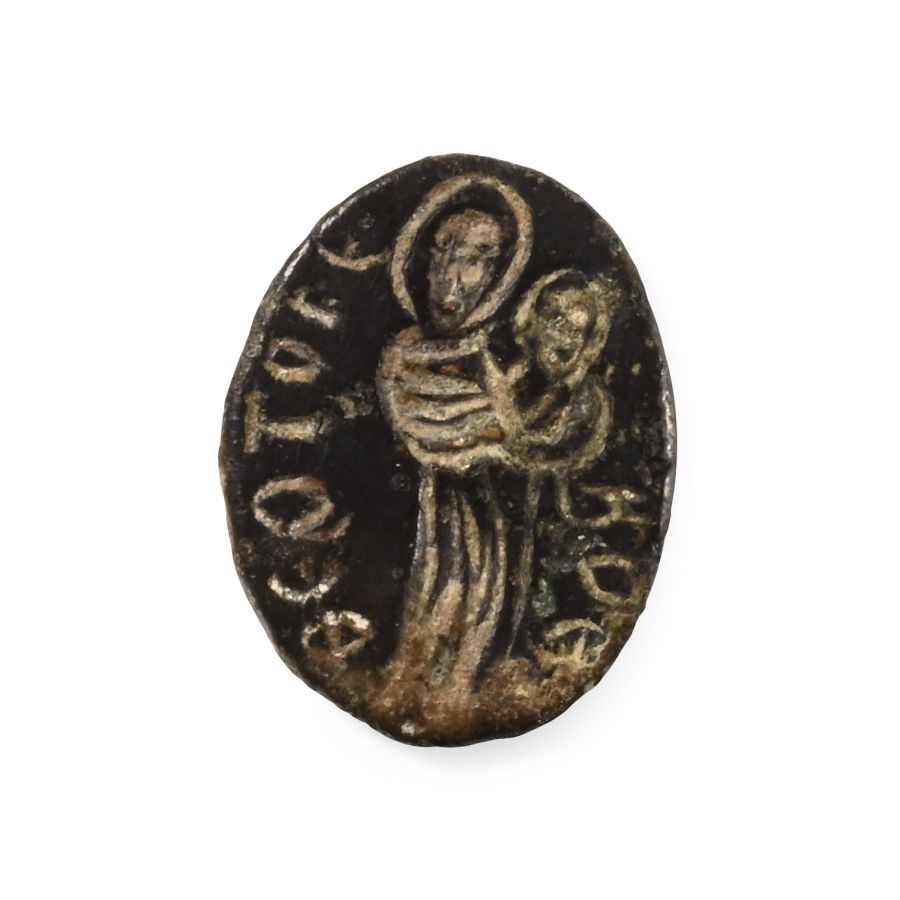
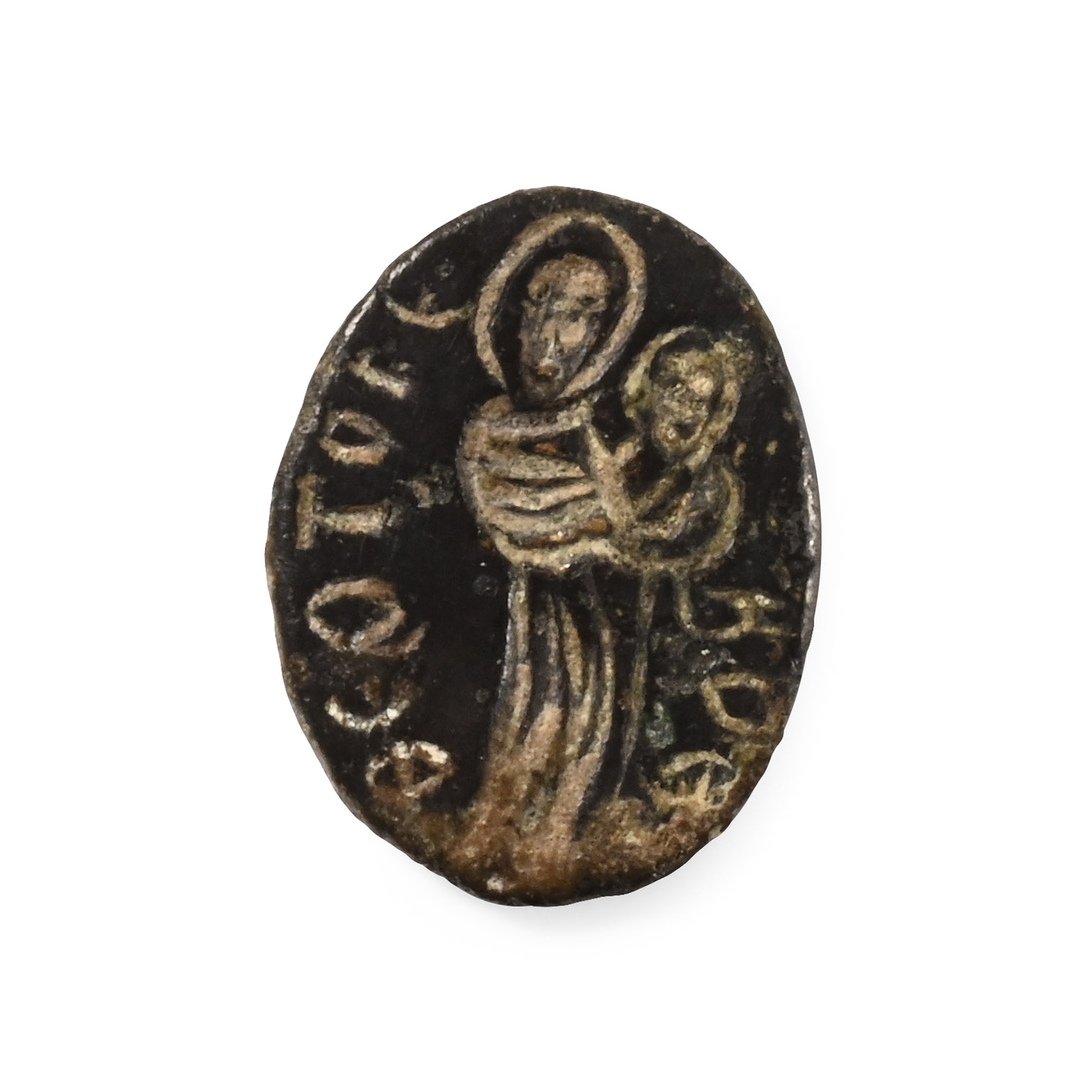
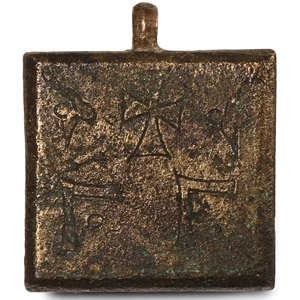
Byzantine Bronze 'Mother of God, help!' Bezel Inlay
CIRCA 6TH-12TH CENTURY A.D.
1/2 in. (0.84 grams, 14 mm).
With inscription 'ΘΕΟΤΟΚΕ ΒΟΘ' for 'ΘΕΟΤΟΚΕ ΒΟΘEI' (Mother of God, help!).
ProvenanceFrom an important collection formed before 1988, London and Geneva.
CONDITIONTimeLine Auctions follows a vetting process to ensure the authenticity and legality of all items, reinforcing our commitment to integrity and responsible trading. Each antiquity, antique, and coin lot undergoes thorough examination by a vetting committee of at least ten external specialists, professional trade association members, scientists, and archaeologists: Our Vetting Process
AUCTIONS:
TimeLine is a leading auction house specialising in antiquities, ancient art, collectables, natural history, coins, medals, and books. Our auctions offer museums, collectors, historians, and enthusiasts the opportunity to acquire unique and historically significant pieces.
-
.jpg)
Byzantine Segmented Bronze Strap
10th-15th century A.D.Sold for (Inc. bp): £104
Comprising an articulated strap, openwork finials with volute scrolls supporting the attachment loop. 17 grams, 87 mm
UK private collection. Acquired from York Antiques Centre, in 2001. Property of a Nottinghamshire gentleman. -
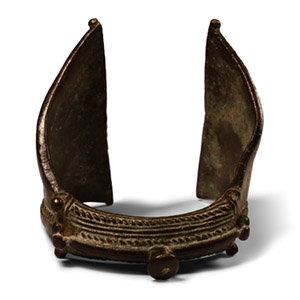
Very Large Byzantine Bronze Armlet
Circa 8th-12th century A.D.Sold for (Inc. bp): £221
Penannular with expanding finials, raised ropework detailing, knops to the upper face. 396 grams, 10 cm
From the private collection of the late Victor Brox. -
Byzantine Decorated Bronze Weight
Circa 6th century A.D.Sold for (Inc. bp): £130
Square in plan and with chamfered edges, small bale; low-relief design of a voided cross flanked by curlicues above two voided gamma characters with points. 81.9 grams, 37 mm
UK private collection before 2000. Acquired on the UK art market. Property of a London gentleman.
