
Loading, please wait...
LOT 1988
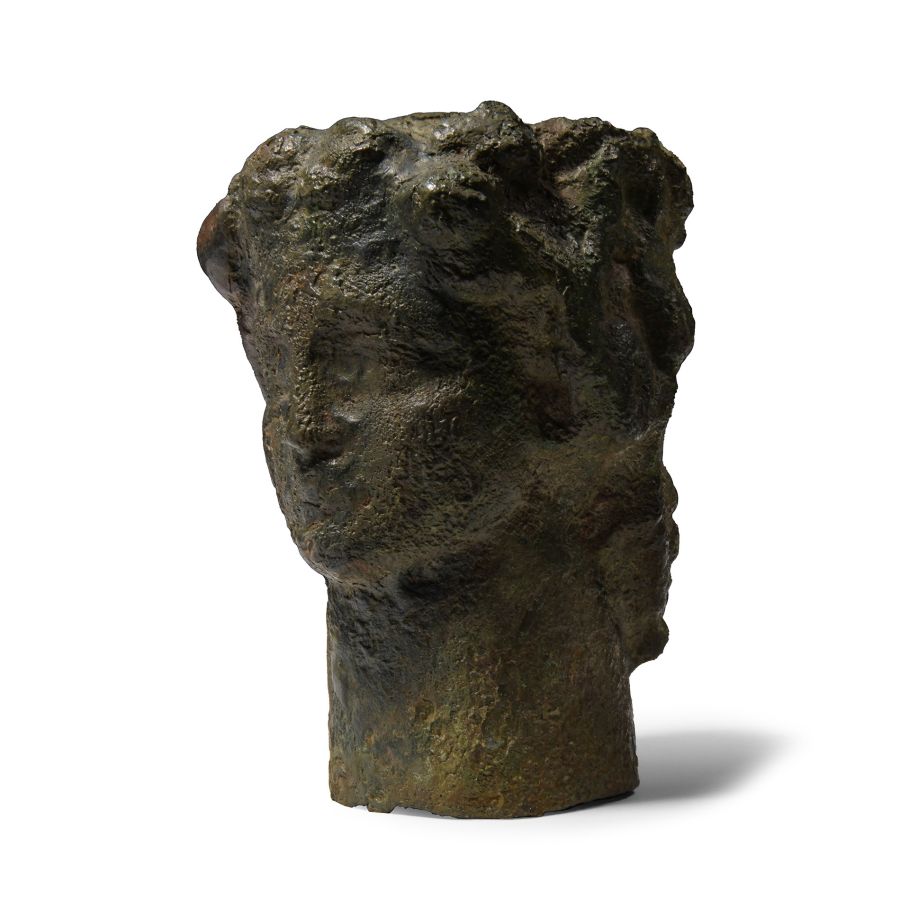
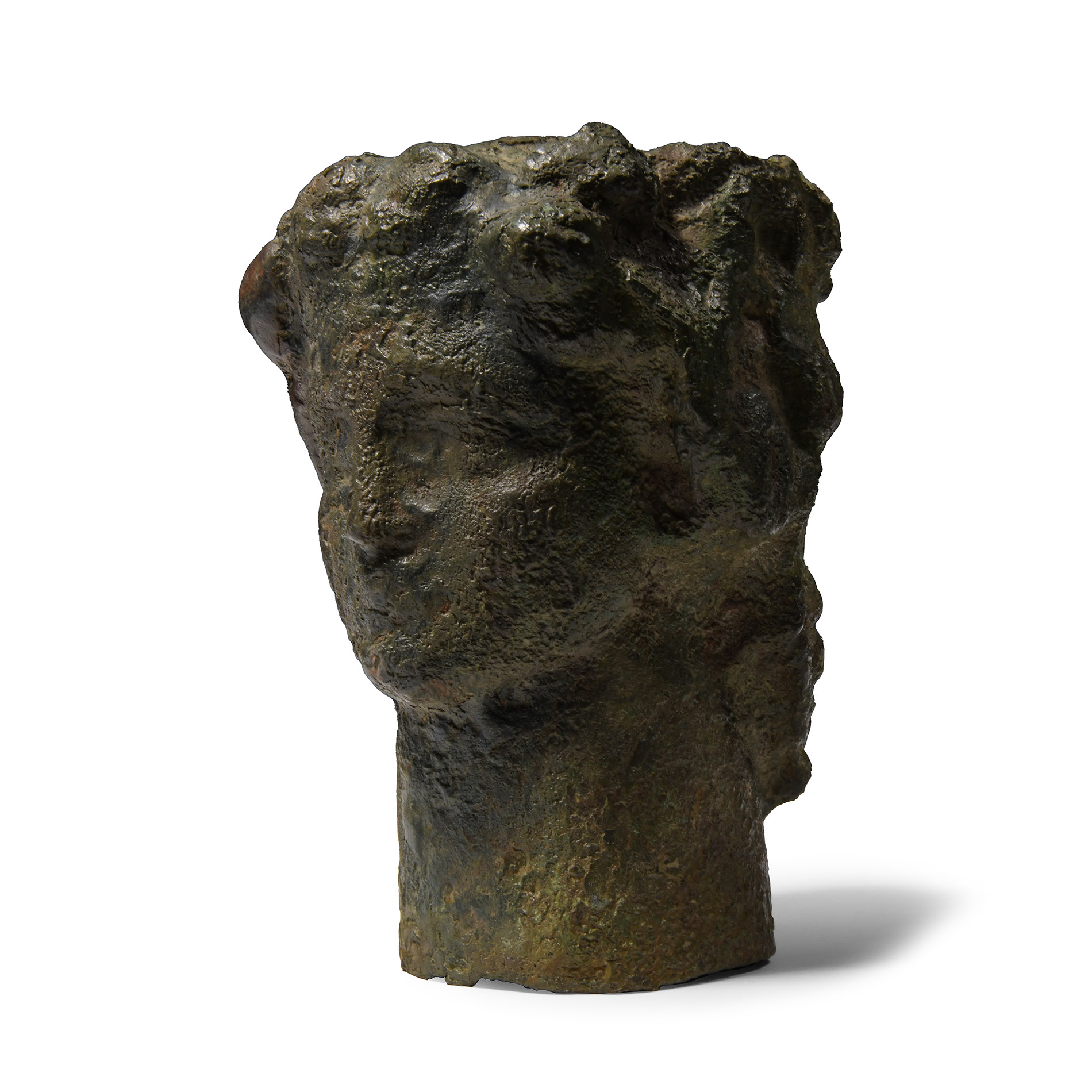
Bronze Head of Dionysus and Ariadne
20TH CENTURY A.D. OR EARLIER
6 1/4 in. (634 grams, 16 cm high).
Hollow-formed janiform bust with wreath to the brows. [No Reserve]
ProvenanceFrom a collection acquired on the UK art market from various auction houses and collections mostly before 2000.
From an important Cambridgeshire estate; thence by descent.
TimeLine Auctions follows a vetting process to ensure the authenticity and legality of all items, reinforcing our commitment to integrity and responsible trading. Each antiquity, antique, and coin lot undergoes thorough examination by a vetting committee of at least ten external specialists, professional trade association members, scientists, and archaeologists: Our Vetting Process
AUCTIONS:
TimeLine is a leading auction house specialising in antiquities, ancient art, collectables, natural history, coins, medals, and books. Our auctions offer museums, collectors, historians, and enthusiasts the opportunity to acquire unique and historically significant pieces.
-
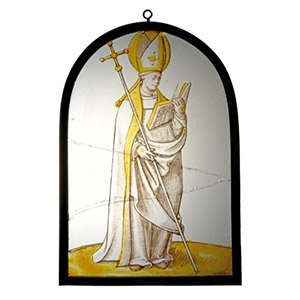
Renaissance Stained Glass Panel of a Bishop Saint Reading From the Bible
Northern France, circa 1520-1540 A.D.Sold for (Inc. bp): £572
Tongue-shaped panel with polychrome figure of a bishop standing wearing a mitre, alb and chasuble, holding a processional cross in one hand and a large book in the other, head tilted forward and eyes lowered in the act of reading; lead cames with loop to the apex; cracked and repaired. 222 grams, 20 cm
De Baecque Vente aux enchere, 8 June 2023, no.511 (part). Ex central London gallery. -
.jpg)
Stone and Glass Necklace Bead Group
20th century A.D.Sold for (Inc. bp): £46
Comprising a quantity of small beads, in mixed shapes, colours and materials, including seven tumble-polished turquoise; each pierced for stringing. 115 grams total, 2-20 mm
UK gallery, early 2000s. -
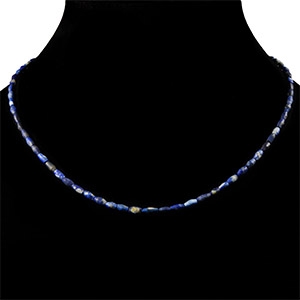
Lapis Lazuli Bead Necklace String
20th century A.D. or earlierSold for (Inc. bp): £26
Composed of biconical beads, some sodalite; restrung. 6.32 grams, 44 cm long
UK gallery, early 2000s.
