
Loading, please wait...
LOT 1518
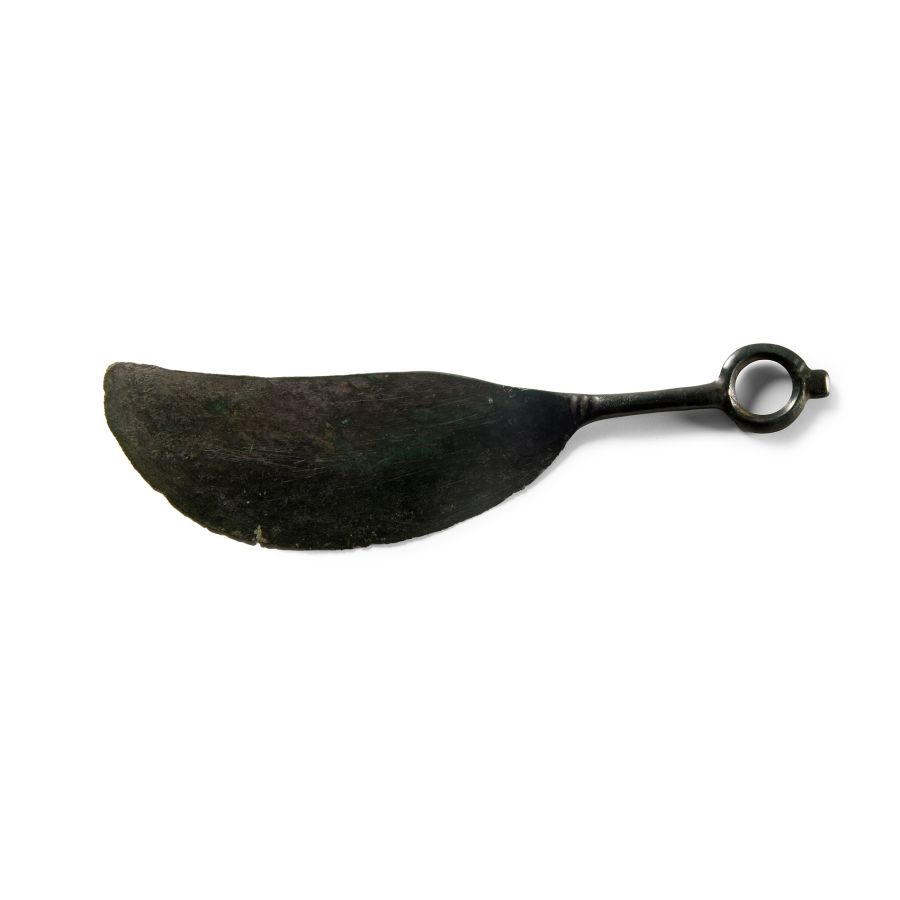
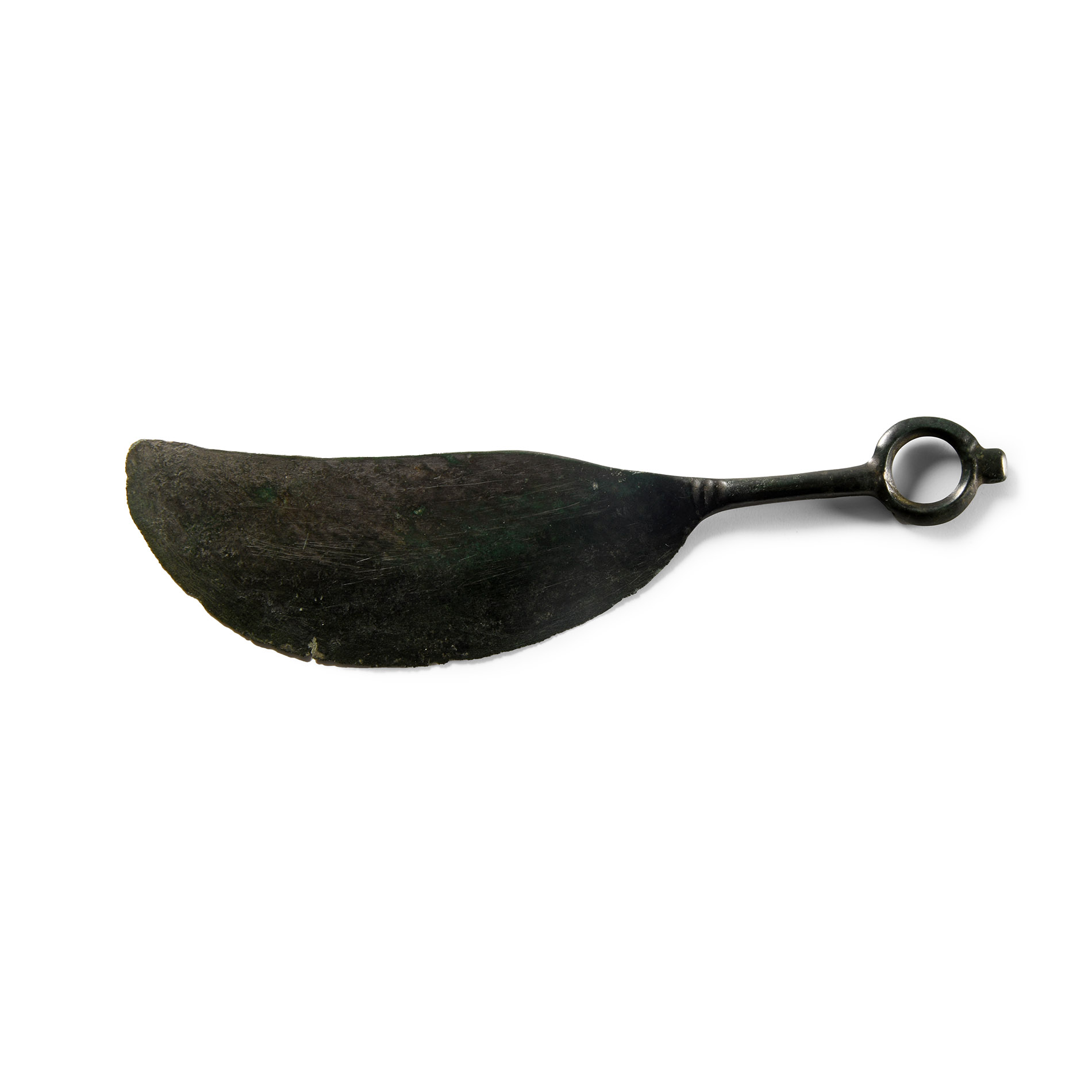
Bronze Age Looped Razor
CIRCA 1ST MILLENNIUM B.C.
6 1/4 in. (31 grams, 15.9 cm).
Comprising a thin flat blade with curved edge, short stem with shallow ribs and a looped finial.
ProvenanceEx private collection, Walton on Thames, UK, 1970s.
From the private collection of John Lawton, Surrey, UK.
Accompanied by a copy of a previous catalogue information page.
TimeLine Auctions follows a vetting process to ensure the authenticity and legality of all items, reinforcing our commitment to integrity and responsible trading. Each antiquity, antique, and coin lot undergoes thorough examination by a vetting committee of at least ten external specialists, professional trade association members, scientists, and archaeologists: Our Vetting Process
AUCTIONS:
TimeLine is a leading auction house specialising in antiquities, ancient art, collectables, natural history, coins, medals, and books. Our auctions offer museums, collectors, historians, and enthusiasts the opportunity to acquire unique and historically significant pieces.
LOT 1518
Bronze Age Looped Razor
Estimate £500 - 700€580 - 810 (for guidance only)$680 - 950 (for guidance only)
-
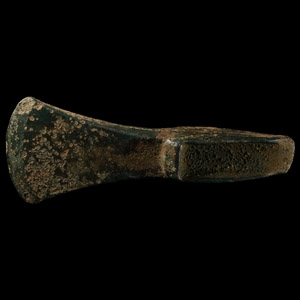
Bronze Age British Palstave Axehead
Circa 1500-1100 B.C.Sold for (Inc. bp): £195
Of Stop-Ridge type with slander shaft and deep step to each face, stop-ridge and depression below, shallow crescent blade. 416 grams, 15.2 cm
Found Norfolk, UK. Ex Ely Auctions, Cambridgeshire, UK. -
.jpg)
Bronze Age Sickle Blade
Circa 2nd millennium B.C.Sold for (Inc. bp): £1
A lanceolate blade with ribbed detail on upper surface, plain reverse; a fixing peg formed from the casting sprue at the broad end. 138 grams, 16 cm
Ex Cummings collection, UK, 1990s. -
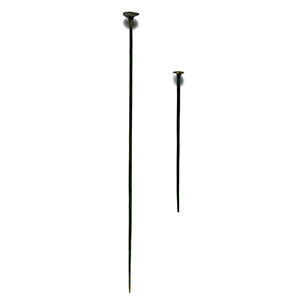
Bronze Age Dress Pin Pair
Circa 800 B.C.Estimate: £150 - 200 (+bp*)
Opening Bid: £75
Each with a long tapering stem and a simple discoid terminal. 32 grams total, 15.5-30 cm
Ex private collection, Walton on Thames, UK, 1970s. From the private collection of John Lawton, Surrey, UK. Accompanied by a copy of a previous catalogue information page.
