
Loading, please wait...
LOT 1541
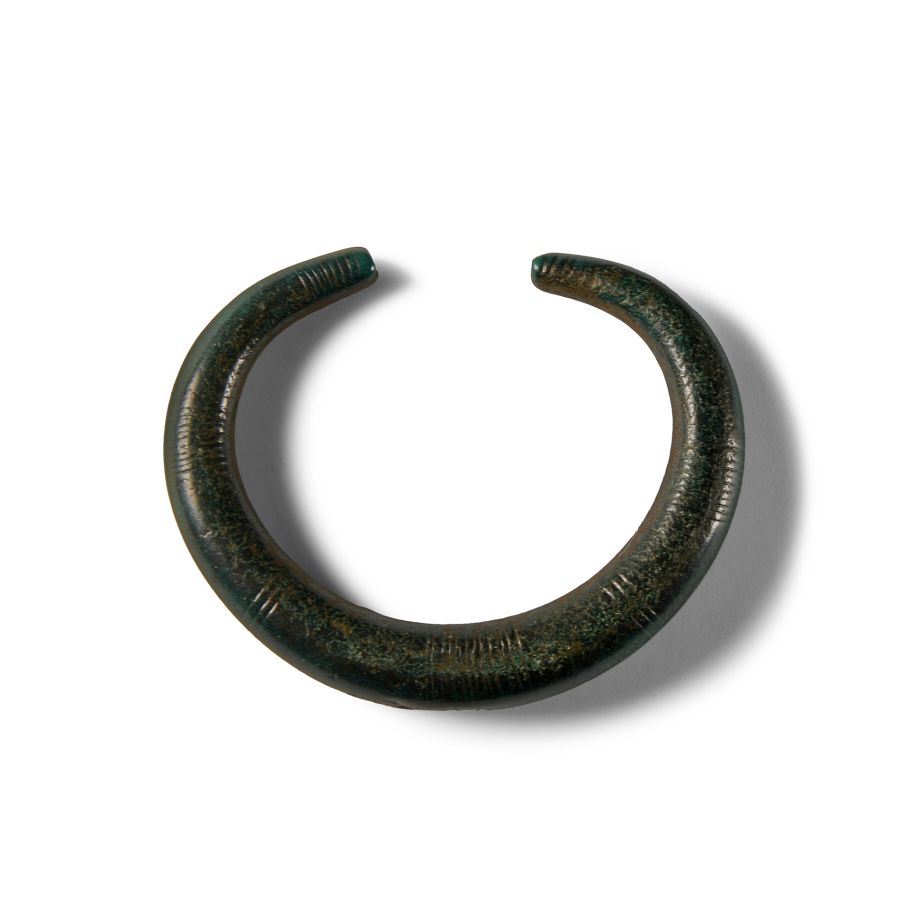
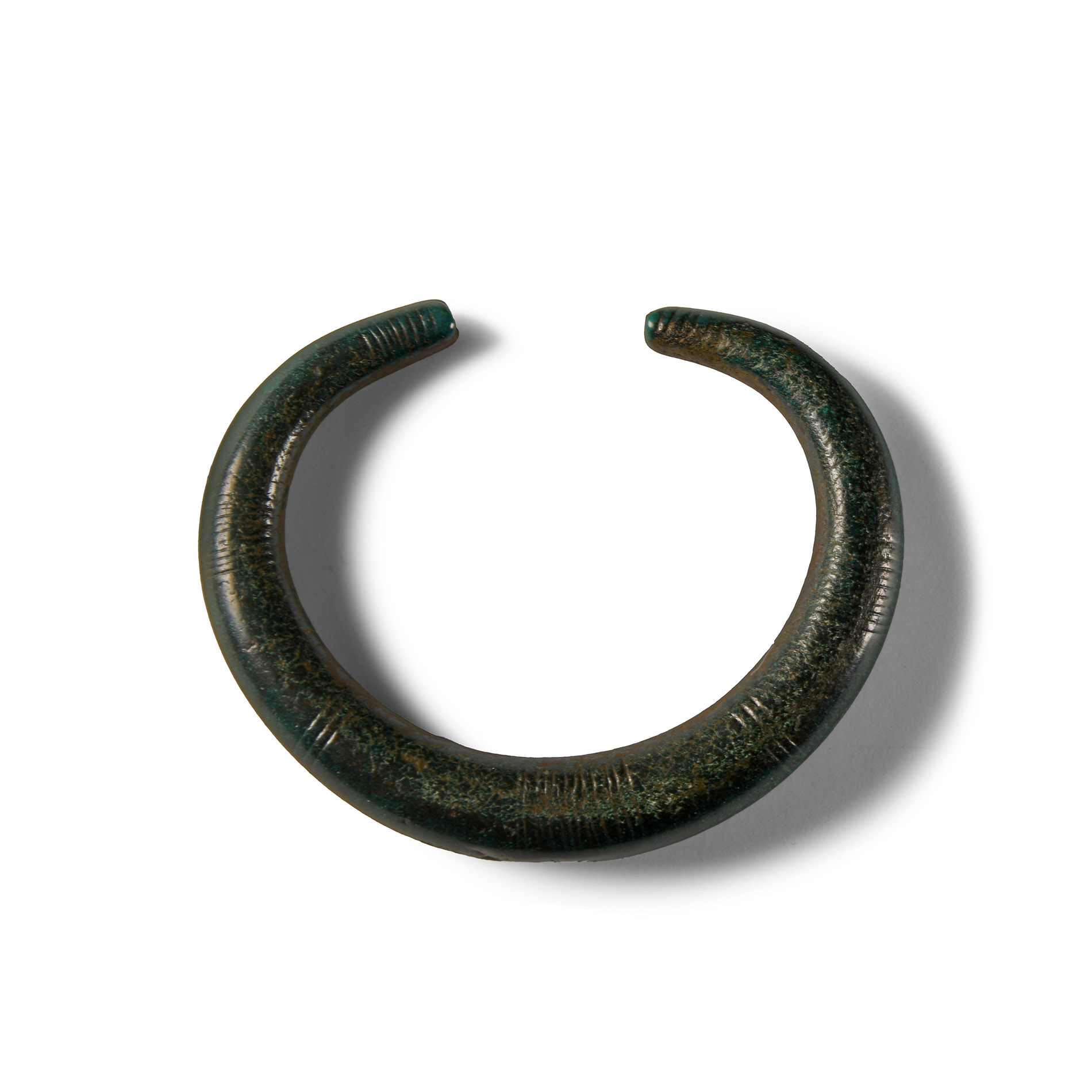
Bronze Age Decorated Bracelet
8TH-5TH CENTURY B.C.
2 3/4 in. (95 grams, 71 mm).
A superb example with round-section shank tapering to each end, incised segmented hatching. [No Reserve]
ProvenancePrivate Bristol, UK, collection, since the 1990s.
Ex property of an East Sussex, UK, teacher.
TimeLine Auctions follows a vetting process to ensure the authenticity and legality of all items, reinforcing our commitment to integrity and responsible trading. Each antiquity, antique, and coin lot undergoes thorough examination by a vetting committee of at least ten external specialists, professional trade association members, scientists, and archaeologists: Our Vetting Process
AUCTIONS:
TimeLine is a leading auction house specialising in antiquities, ancient art, collectables, natural history, coins, medals, and books. Our auctions offer museums, collectors, historians, and enthusiasts the opportunity to acquire unique and historically significant pieces.
-
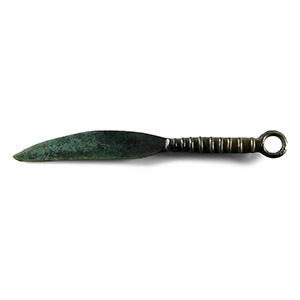
Bronze Age Knife with Ribbed Handle
Circa 2nd millennium B.C.Sold for (Inc. bp): £1,690
With a long single-edged blade, the handle with raised ribs decorated with incised hatching, looped terminal. 94.2 grams, 21.7 cm
Acquired in the 2000s. From the private collection of John Lawton, Surrey, UK. Accompanied by a copy of a previous catalogue information page. -
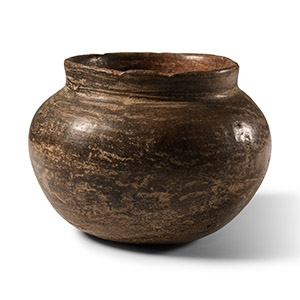
Bronze Age Ceramic Vessel
Middle Bronze Age, circa 1200-800 B.C.Sold for (Inc. bp): £208
Squat jar with burnished surface, low rim to the neck. 450 grams, 14 cm wide
Found Norfolk, UK. Ex Clare Morris, UK, 2012. From an important Cambridgeshire estate; thence by descent. Accompanied by a certificate of authenticity from Clare Morris. -
.jpg)
Bronze Age Pair of Spiral Bracelets
Circa 1st millennium B.C.Sold for (Inc. bp): £1,170
Each formed of flat-section rod with raised median rib decorated with diagonally hatched bands and tapering finials; one bracelet with incised hatched decoration to the finials, the other with panels of incised herringbone decoration interspersed with panels of hatching. 221 grams total, 75 mm each
Ex private collection, Walton on Thames, UK, 1970s. From the private collection of John Lawton, Surrey, UK.
