
Loading, please wait...


LOT 0328
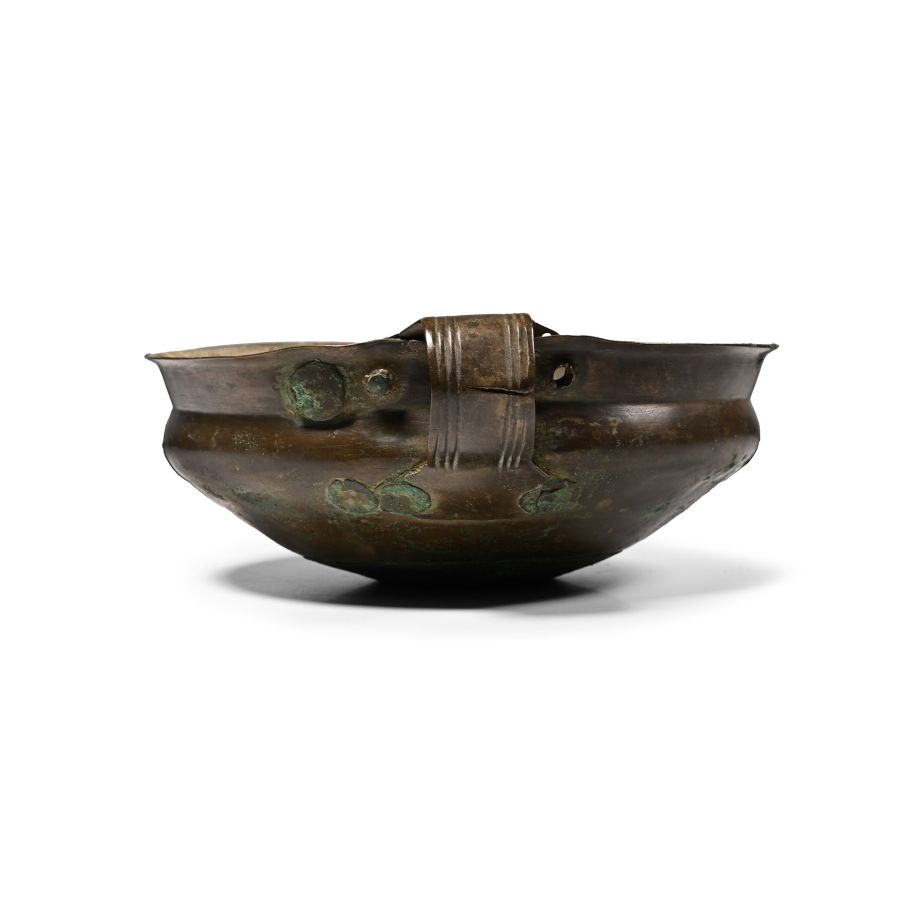
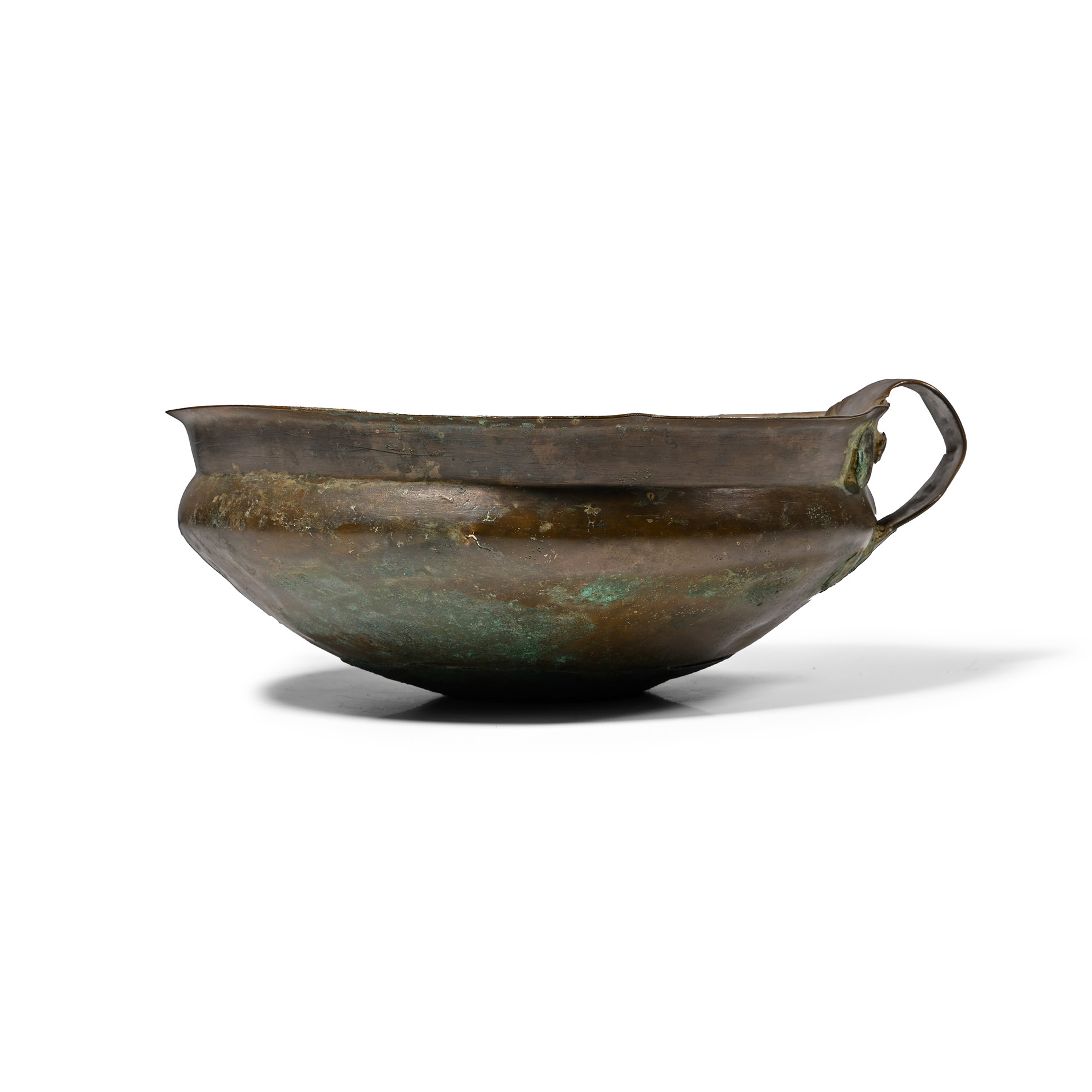
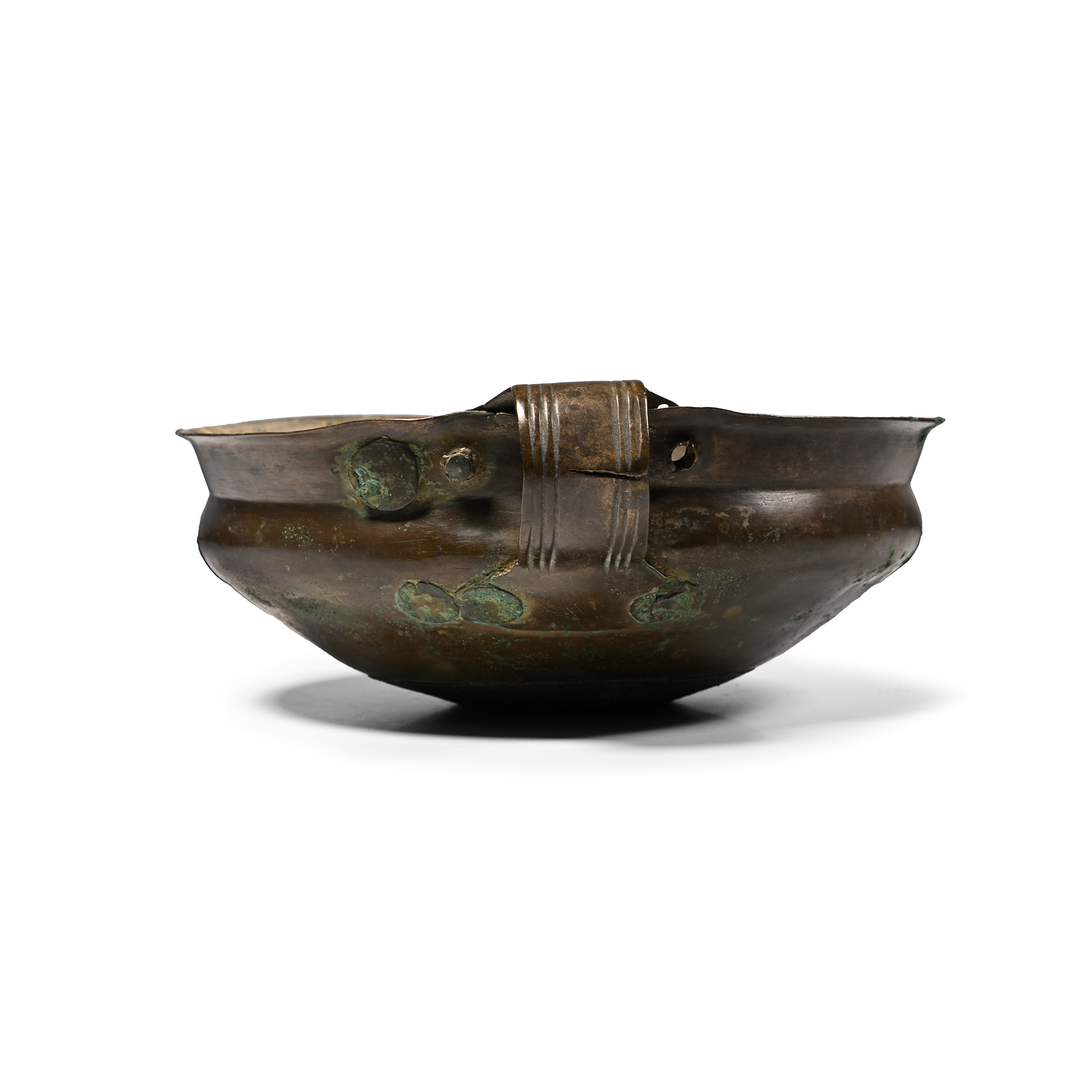
Bronze Age Decorated Bowl with Loop Handle
CIRCA 1000 B.C.
6 1/8 in. (182 grams, 15.2 cm wide).
With carinated profile, and flared rim, ancient riveted repair to central base; strap handle to rear over ancient crack, with evidence of previous repairs.
ProvenanceAcquired in Austria in 2000.
Acquired by the present owner from the above.
See Claire Copper et al., Funerary and Related Cups of the British Bronze Age, Oxford, 2022.
CONDITIONTimeLine Auctions follows a vetting process to ensure the authenticity and legality of all items, reinforcing our commitment to integrity and responsible trading. Each antiquity, antique, and coin lot undergoes thorough examination by a vetting committee of at least ten external specialists, professional trade association members, scientists, and archaeologists: Our Vetting Process
AUCTIONS:
TimeLine is a leading auction house specialising in antiquities, ancient art, collectables, natural history, coins, medals, and books. Our auctions offer museums, collectors, historians, and enthusiasts the opportunity to acquire unique and historically significant pieces.
LOT 0328
Bronze Age Decorated Bowl with Loop Handle
Estimate £1,000 - 1,400€1,160 - 1,620 (for guidance only)$1,350 - 1,890 (for guidance only)
-
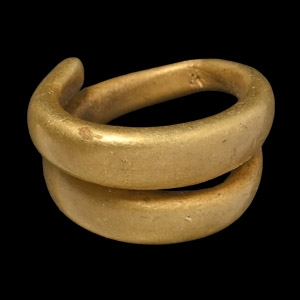
Bronze Age Gold Hair Ring
Early 1st millennium B.C.Estimate: £200 - 300 (+bp*)
Opening Bid: £100
Formed as a round-section tapering rod with the ends flattened. 1.6 grams, 11mm
Ex property of a late Japanese collector, 1970s-2000s. -
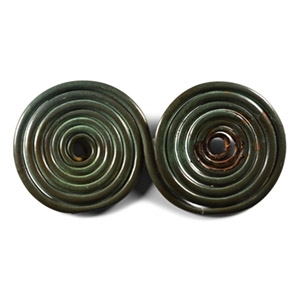
Bronze Age Double Spectacle Brooch
1st millennium B.C.Estimate: £400 - 600 (+bp*)
Opening Bid: £200
Formed as two large tightly-wound coils; repaired. 129 grams, 14.1 cm
Ex Surrey, UK, collection, 1980s. -
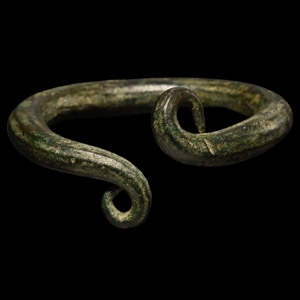
Bronze Age Ring with Scrolled Terminals
1st millennium B.C.Sold for (Inc. bp): £111
A penannular round-section hoop with tapering looped terminals. 7.58 grams, 30.02 mm overall, 22.34 mm internal diameter (approximate size British X, USA 11 1/2, Europe 26.29, Japan 25)
Ex German art market, 2000s. Acquired from an EU collector living in London. From the collection of Surrey, UK, gentleman.
