
Loading, please wait...

LOT 1630
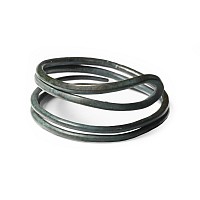
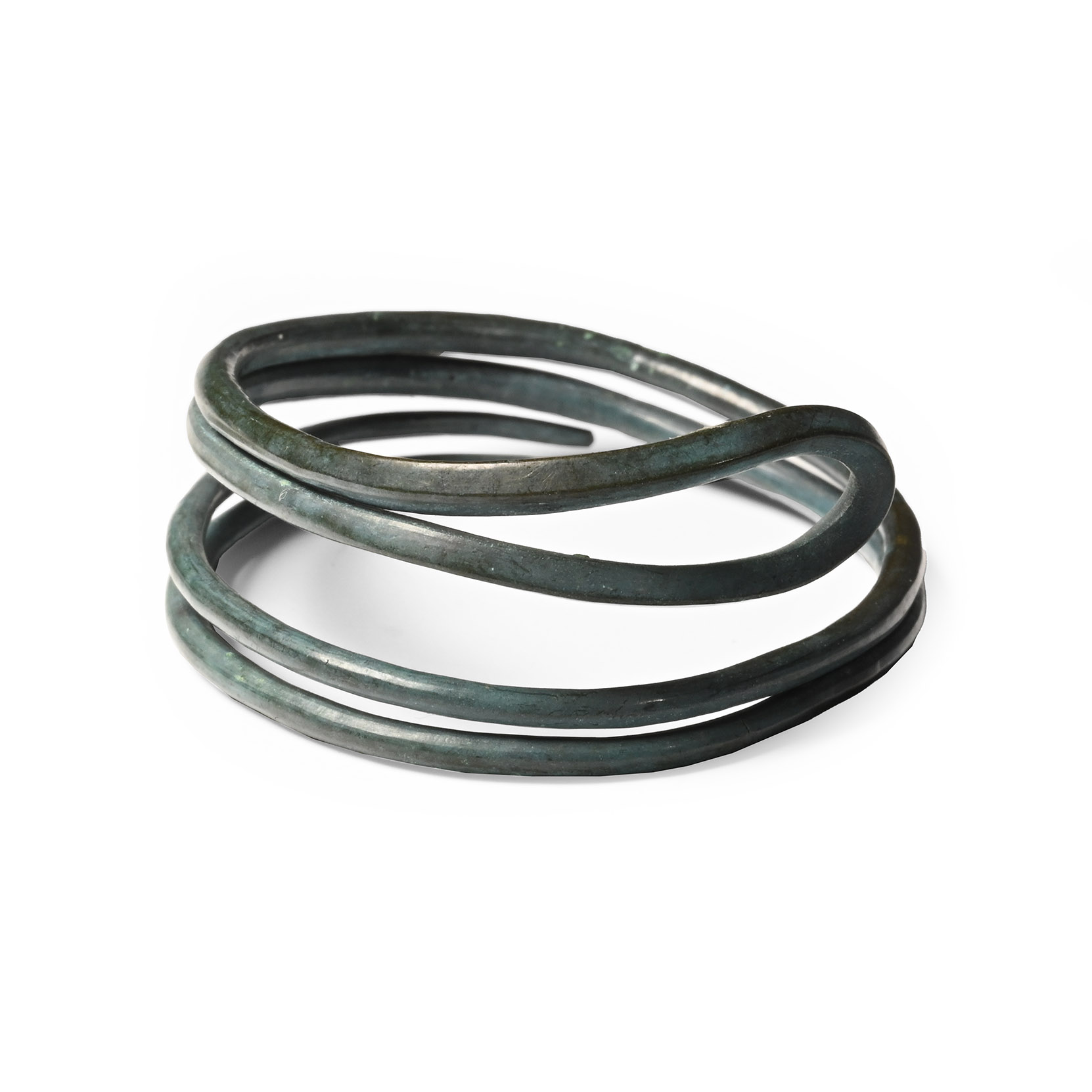
Bronze Age Child's Coiled Bracelet
1ST MILLENNIUM B.C.
1 5/8 in. (12.2 grams, 41 mm).
Formed of a single rod turned back on itself and coiled.
ProvenanceEx Surrey, UK, collection, 1980s.
CONDITIONTimeLine Auctions follows a vetting process to ensure the authenticity and legality of all items, reinforcing our commitment to integrity and responsible trading. Each antiquity, antique, and coin lot undergoes thorough examination by a vetting committee of at least ten external specialists, professional trade association members, scientists, and archaeologists: Our Vetting Process
AUCTIONS:
TimeLine is a leading auction house specialising in antiquities, ancient art, collectables, natural history, coins, medals, and books. Our auctions offer museums, collectors, historians, and enthusiasts the opportunity to acquire unique and historically significant pieces.
-
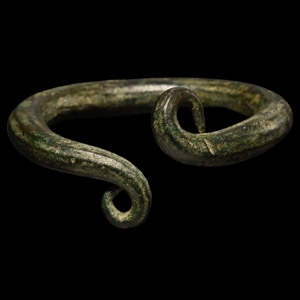
Bronze Age Ring with Scrolled Terminals
1st millennium B.C.Sold for (Inc. bp): £111
A penannular round-section hoop with tapering looped terminals. 7.58 grams, 30.02 mm overall, 22.34 mm internal diameter (approximate size British X, USA 11 1/2, Europe 26.29, Japan 25)
Ex German art market, 2000s. Acquired from an EU collector living in London. From the collection of Surrey, UK, gentleman. -
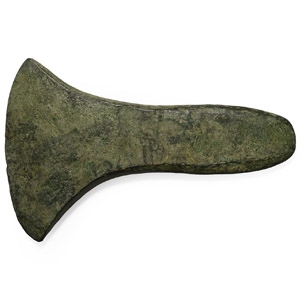
Bronze Age Copper Flat Axe
2nd-1st millennium B.C.Sold for (Inc. bp): £124
Formed with a rounded butt and slightly flared cutting edge; flat in cross-section. 226 grams, 12.5 cm
Ex German art market, 2000s. Acquired from an EU collector living in London. From the collection of Surrey, UK, gentleman. -
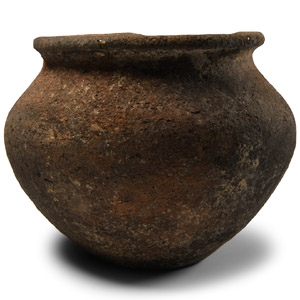
Bronze Age Terracotta Urn
3rd-2nd millennium B.C.Sold for (Inc. bp): £78
Squat jar with broad shoulder, rolled rim. 307 grams, 11.6 cm
From a collection acquired on the UK art market from various auction houses and collections mostly before 2000. From an important Cambridgeshire estate; thence by descent.
