
Loading, please wait...
LOT 1559
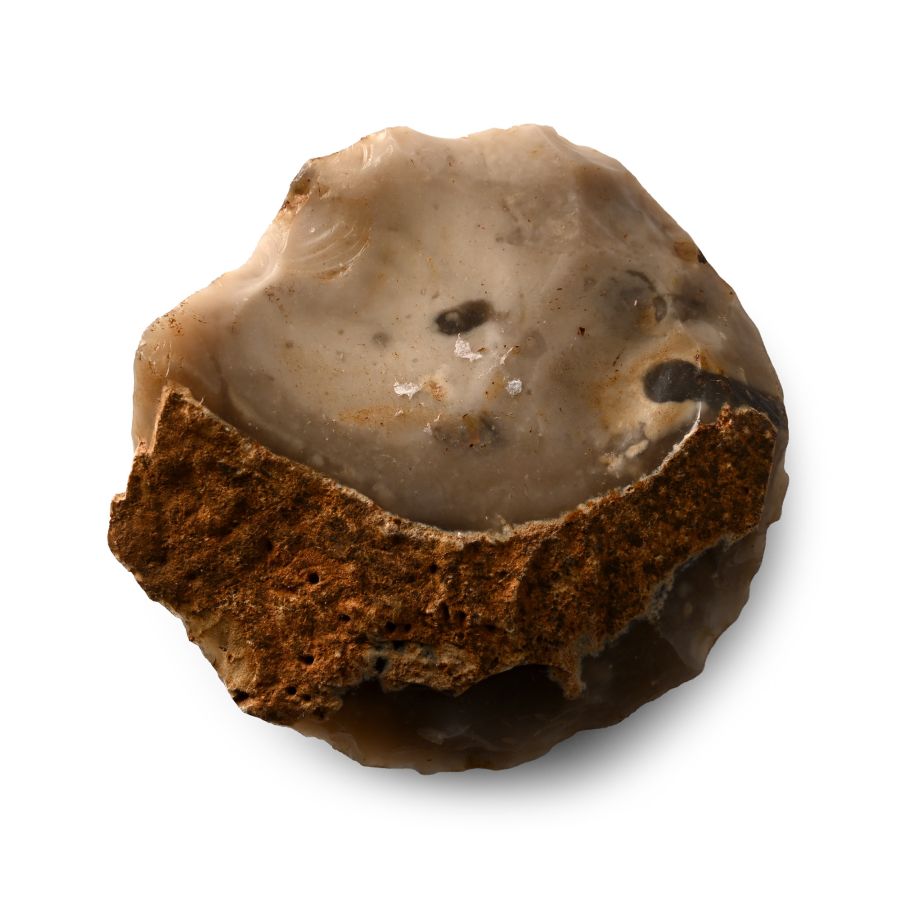
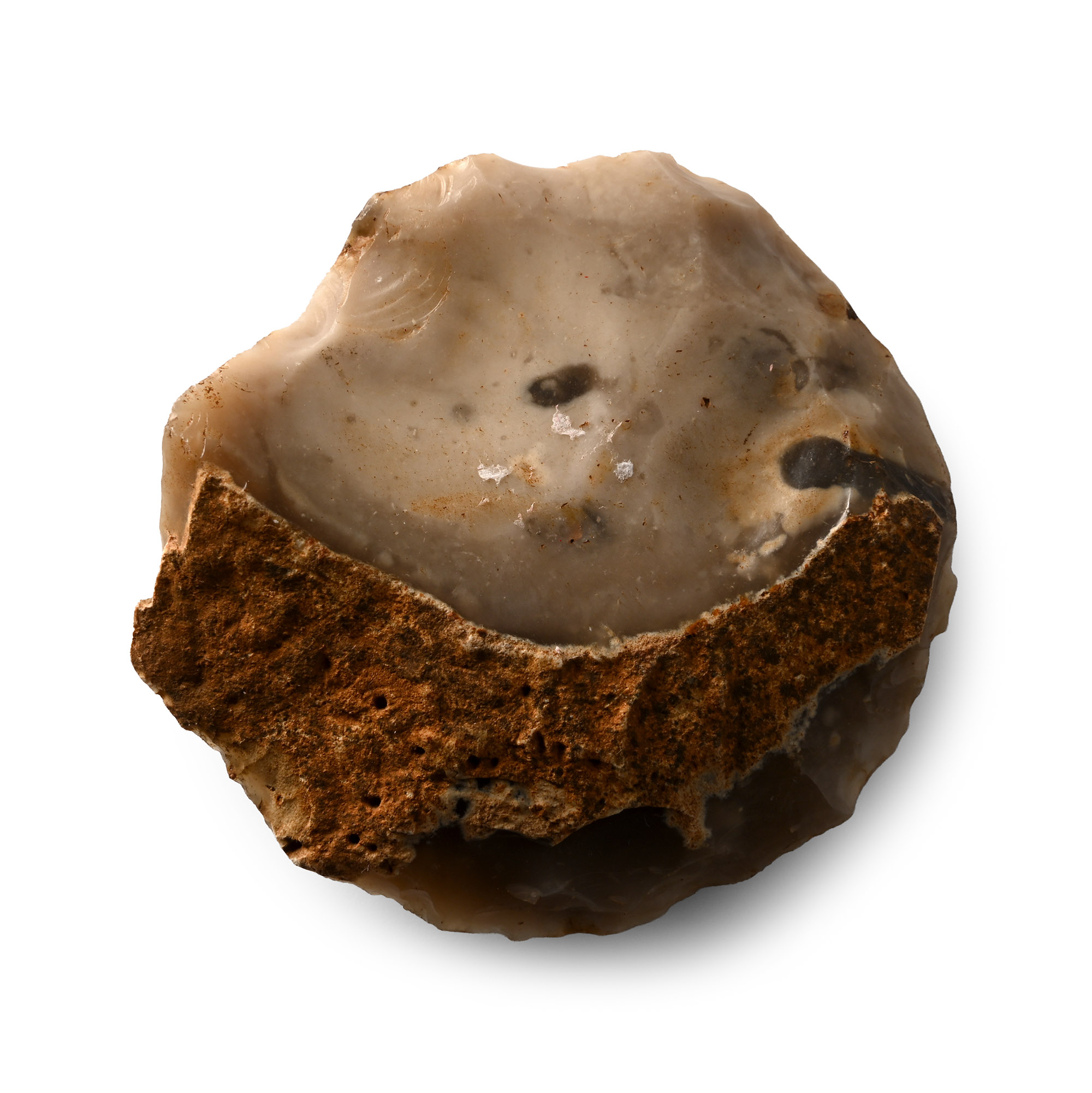
British Stone Age Crescent Flint Scraper from Farnham
NEOLITHIC PERIOD, CIRCA 6,000 B.P.
2 1/8 in. (49 grams, 54 mm).
D-shaped with broad cutting edge, cortex to the rear. [No Reserve]
ProvenanceFound Farnham, Kent, in 1901.
From the collection of Captain Streatfield who helped to fund the archaeology excavations at Farnham, Kent.
After Captain Streatfield passed away in the 1940s, his collection was sold at auction.
TimeLine Auctions follows a vetting process to ensure the authenticity and legality of all items, reinforcing our commitment to integrity and responsible trading. Each antiquity, antique, and coin lot undergoes thorough examination by a vetting committee of at least ten external specialists, professional trade association members, scientists, and archaeologists: Our Vetting Process
AUCTIONS:
TimeLine is a leading auction house specialising in antiquities, ancient art, collectables, natural history, coins, medals, and books. Our auctions offer museums, collectors, historians, and enthusiasts the opportunity to acquire unique and historically significant pieces.
-
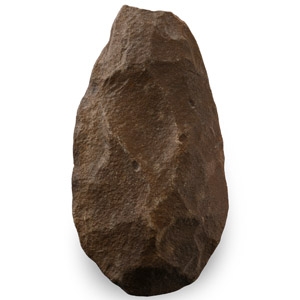
Stone Age Acheulian Knapped Axehead
Palaeolithic Period, circa 300,000-200,000 B.P.Sold for (Inc. bp): £52
Substantial triangular-section handaxe with broad rounded butt; tip absent. 415 grams, 15.2 cm
Found Erg Belfelfoul, Algeria, 1967. From an old Hamburg, Germany collection. From the property of a late Lincolnshire, UK, gentleman. -
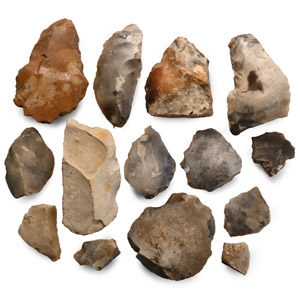
Stone Age Collection of Flint Tools and Implements
Palaeolithic-Neolithic Period, circa 200,000-6,000 B.P.Sold for (Inc. bp): £26
Including scrapers and other tools, and debutage. 250 grams total, 20.6-68 mm
From the collection of a Buckinghamshire, UK, collector established from the earlier 1960s. -
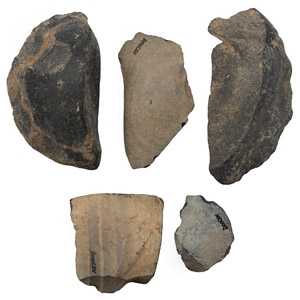
Stone Age Knapped Broken Axe and Flake Collection
Neolithic Period, circa 5000 B.P.Sold for (Inc. bp): £85
Mainly irregular blades, some with inked findspot 'Ireland', 'Doolin', etc. 235 grams total, 35-87 mm
From a private collection, Loughborough, UK. From the property of a late Lincolnshire, UK, gentleman.
