
Loading, please wait...
LOT 1070
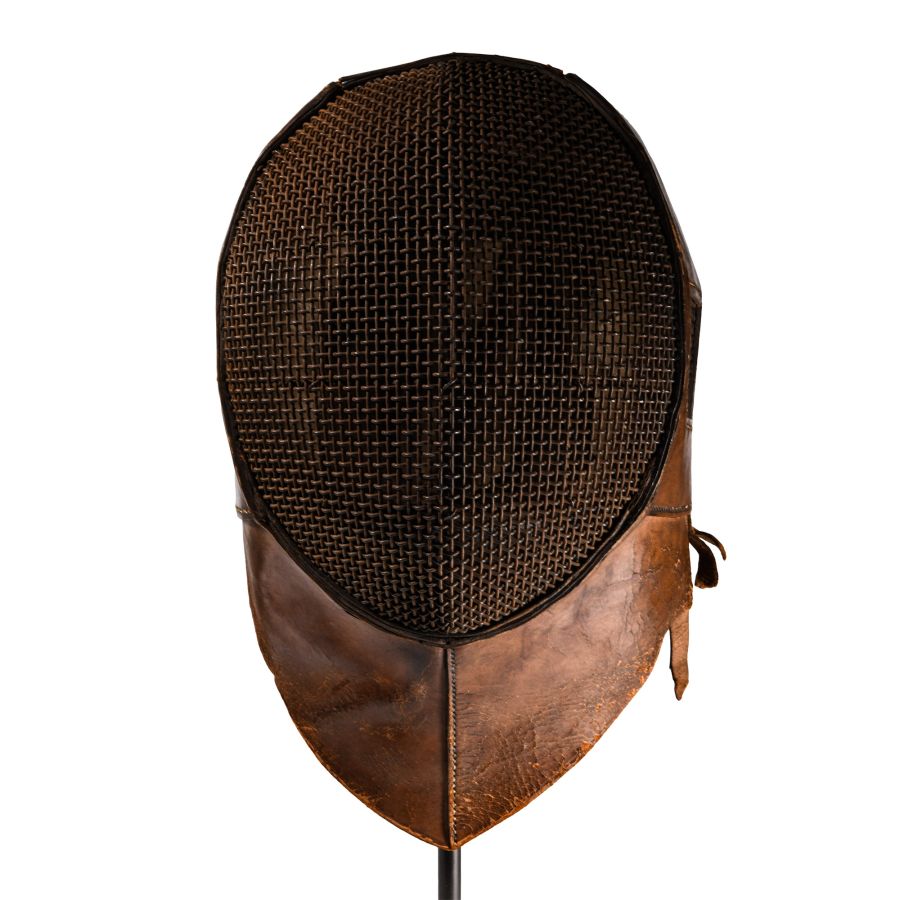
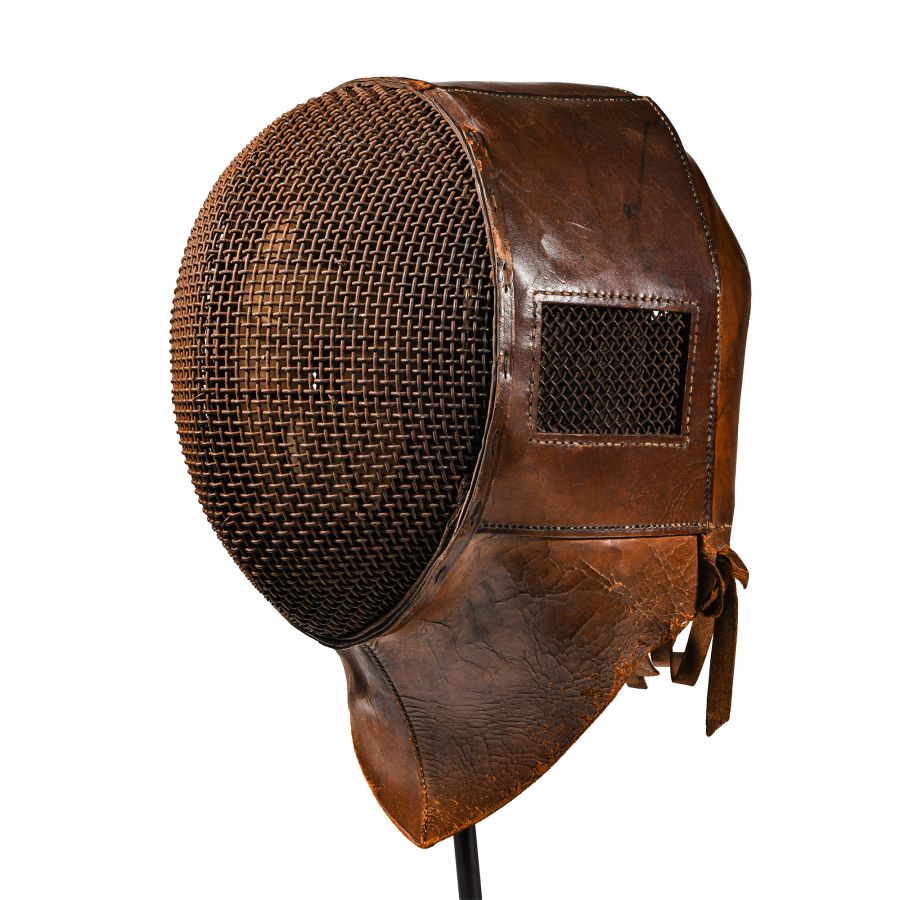
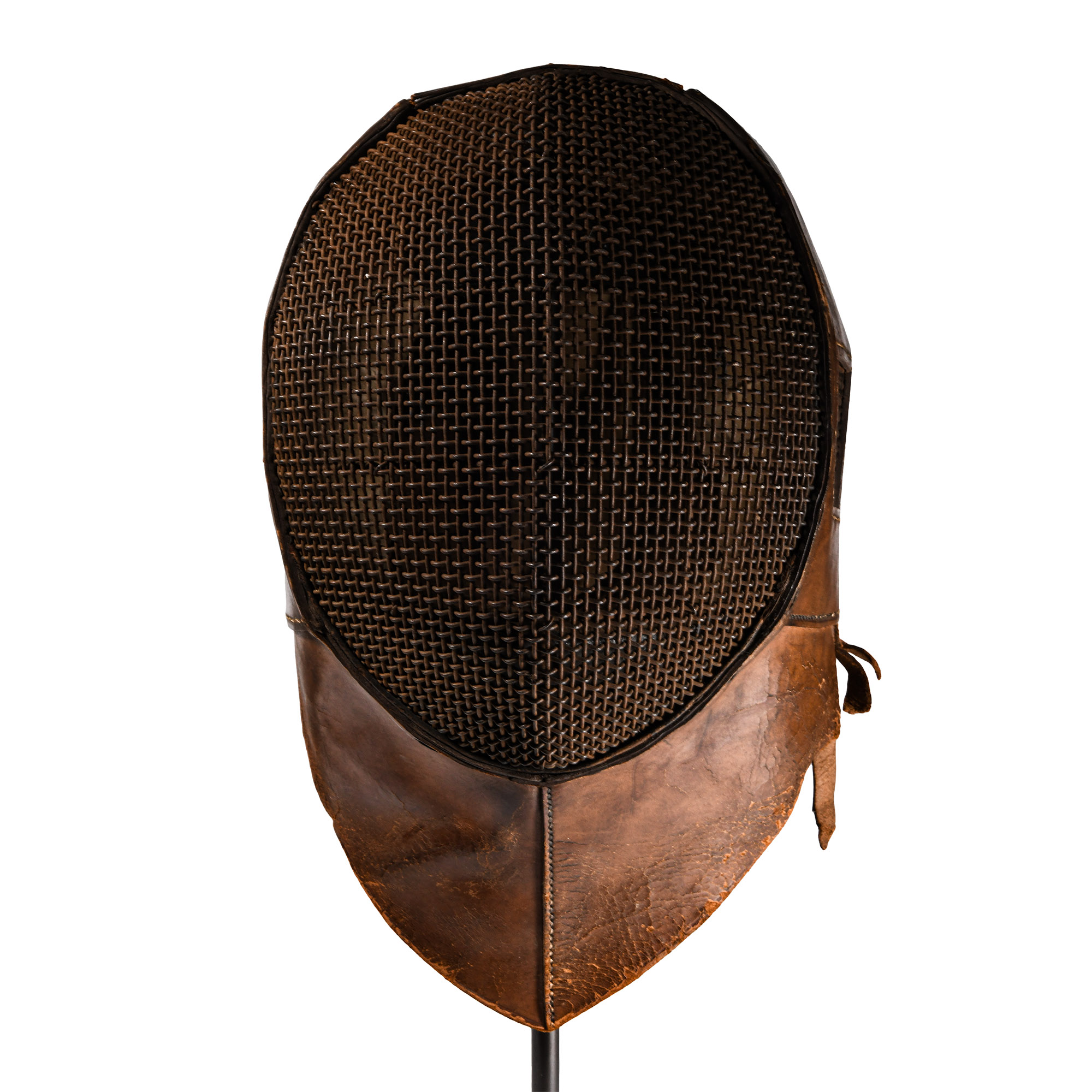
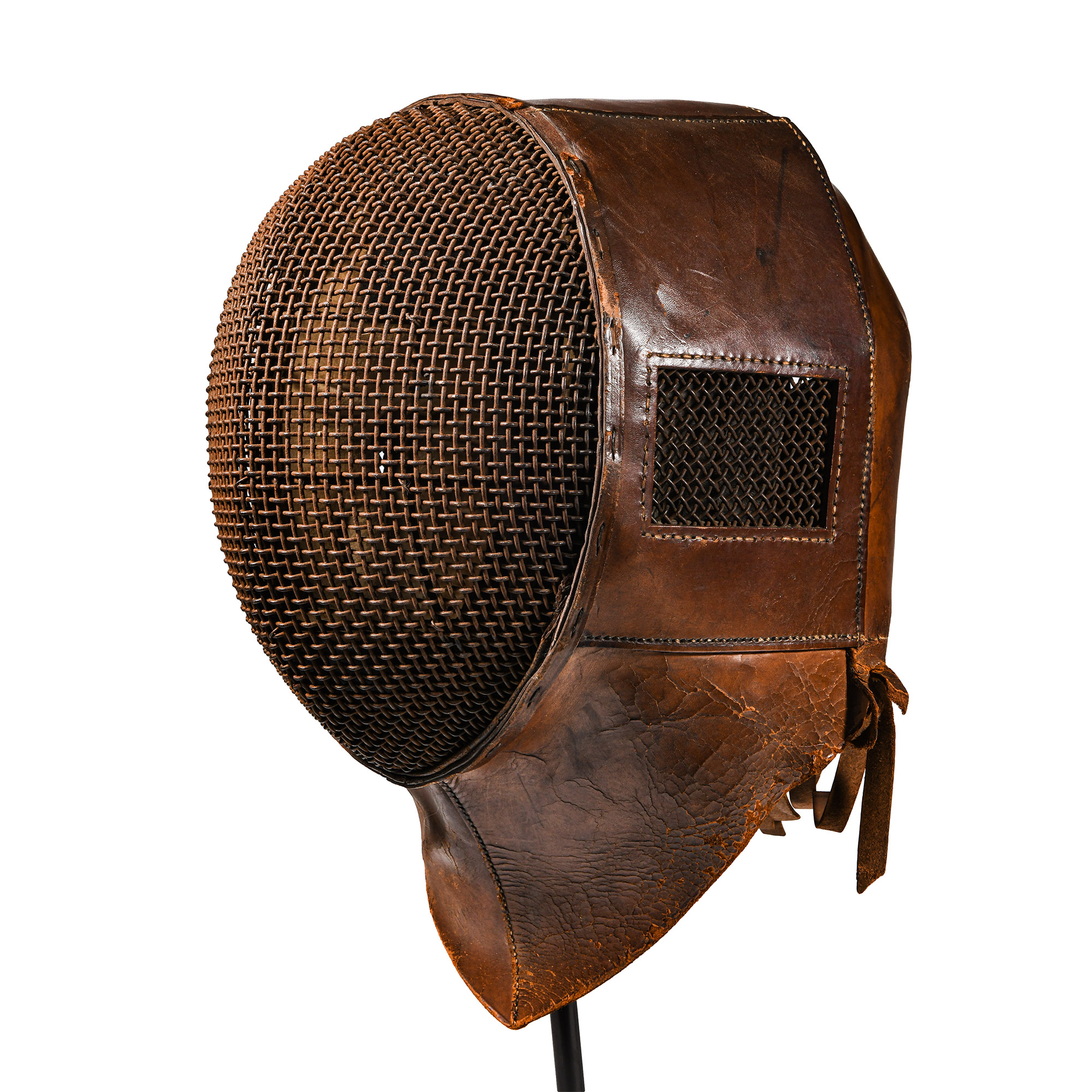
British Leather Fencing Helmet
CIRCA 1890-1920S A.D.
15 3/8 in. (2.0 kg, 39 cm).
By Lillywhite Frowd Co of London, fitted with neck fringe, stamped buckled securing strap and wire mesh face and ear panels, padded lining internally marked 'broad arrow-over-67' so likely a military issue.
ProvenanceAcquired from Manfred Schotten Antiques, 2016.
The Kusmirek Collection, UK.
Accompanied by a copy of Manfred Schotten invoice and listing.
Although masks/helmets of this general form are typically associated with sword fencing, this example is of very heavy construction so possibly for use in protecting while training with a heavier weapon than a foil or epee.
CONDITIONTimeLine Auctions follows a vetting process to ensure the authenticity and legality of all items, reinforcing our commitment to integrity and responsible trading. Each antiquity, antique, and coin lot undergoes thorough examination by a vetting committee of at least ten external specialists, professional trade association members, scientists, and archaeologists: Our Vetting Process
AUCTIONS:
TimeLine is a leading auction house specialising in antiquities, ancient art, collectables, natural history, coins, medals, and books. Our auctions offer museums, collectors, historians, and enthusiasts the opportunity to acquire unique and historically significant pieces.
LOT 1070
British Leather Fencing Helmet
Estimate £250 - 350€290 - 410 (for guidance only)$340 - 470 (for guidance only)
-
Volga Bulgar Bronze Lion Belt Mount Group
10th-12th century A.D.Sold for (Inc. bp): £195
Comprising three mounts with bounding lion motifs, five heart-shaped mounts also showing leaping lions and a plain semi-circular mount; all with mounting lugs to reverse. 67 grams total, 27-52 mm
From the collection of a North American gentleman, formed in the 1990s. -
Mughal Dagger with Bone Handle
18th-19th century A.D.Estimate: £200 - 300 (+bp*)
Opening Bid: £100
The blade with a gently curved profile; handle formed as a horse's hoof with bone scales. 399 grams, 60 cm long
Acquired by the vendors father on the UK art market, before 1990. -
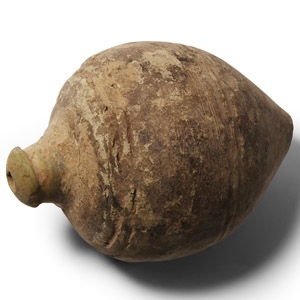
Byzantine 'Greek Fire' Ceramic Fire Bomb or Hand Grenade
9th-11th century A.D.Sold for (Inc. bp): £104
Pear-shaped ceramic vessel with domed filler-hole, circumferential impressed bands to the shoulder and equator; intended to be filled with explosive liquid and wick, used as a hand grenade. 490 grams, 15 cm
Ex London, UK, collection, 1990s. Accompanied by an academic paper by military specialist Dr Raffaele D'Amato, dated 15 July 2019 and titled 'Eastern Roman Empire - Greek Fire Bomb or Hand Grenade (μεσαίον kακάβιον) 9th-11th century AD'.
Apart from the use of siphons or manual flame-throwers called cheirosiphona, special corps of Roman soldiers employed terracotta grenades, in the form of small jars, abundantly evidenced in archaeological excavations. Such were the γανωτα, vessels (sometimes also of bronze) used for Greek fire. They were called μεσαία kακαβιά or κυτροκακάβια where the former had a bulbous shape and the latter a more cylindrical form.
