
Loading, please wait...
LOT 0285
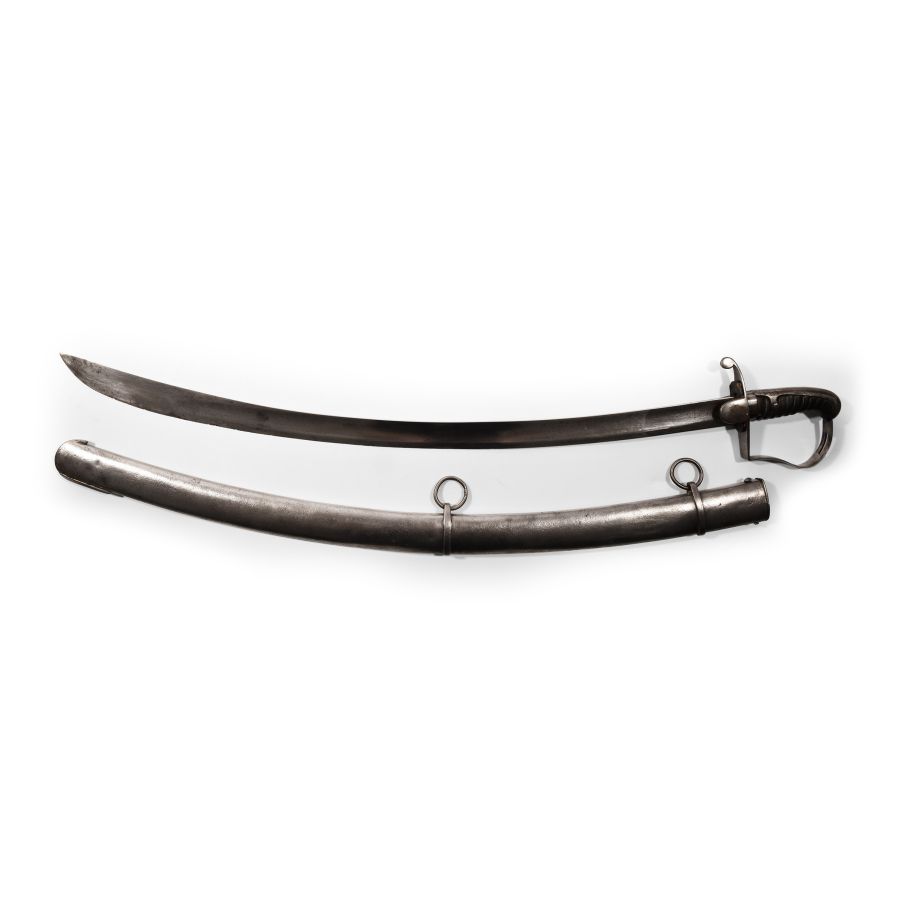
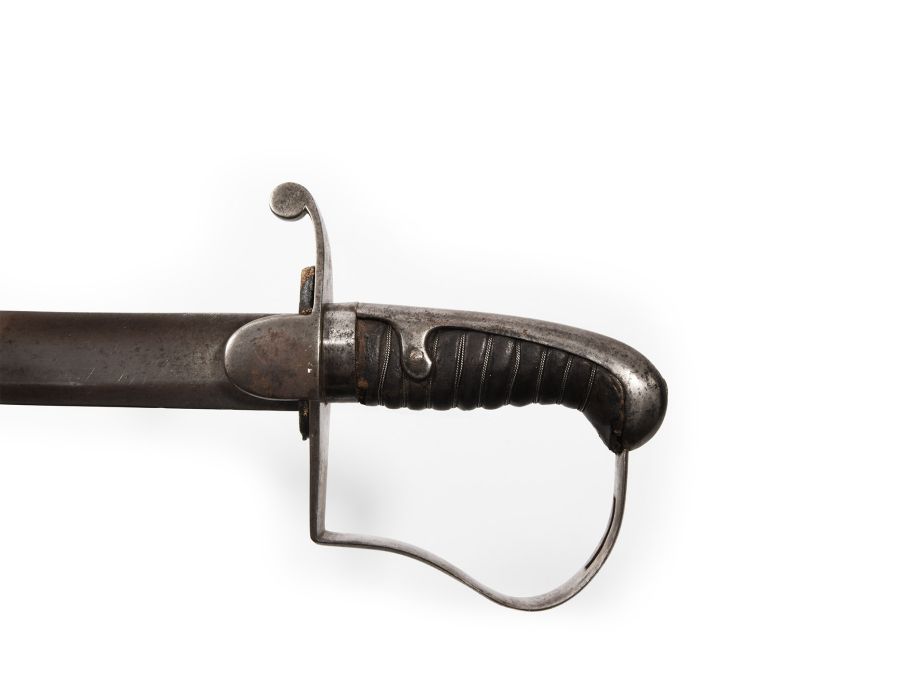
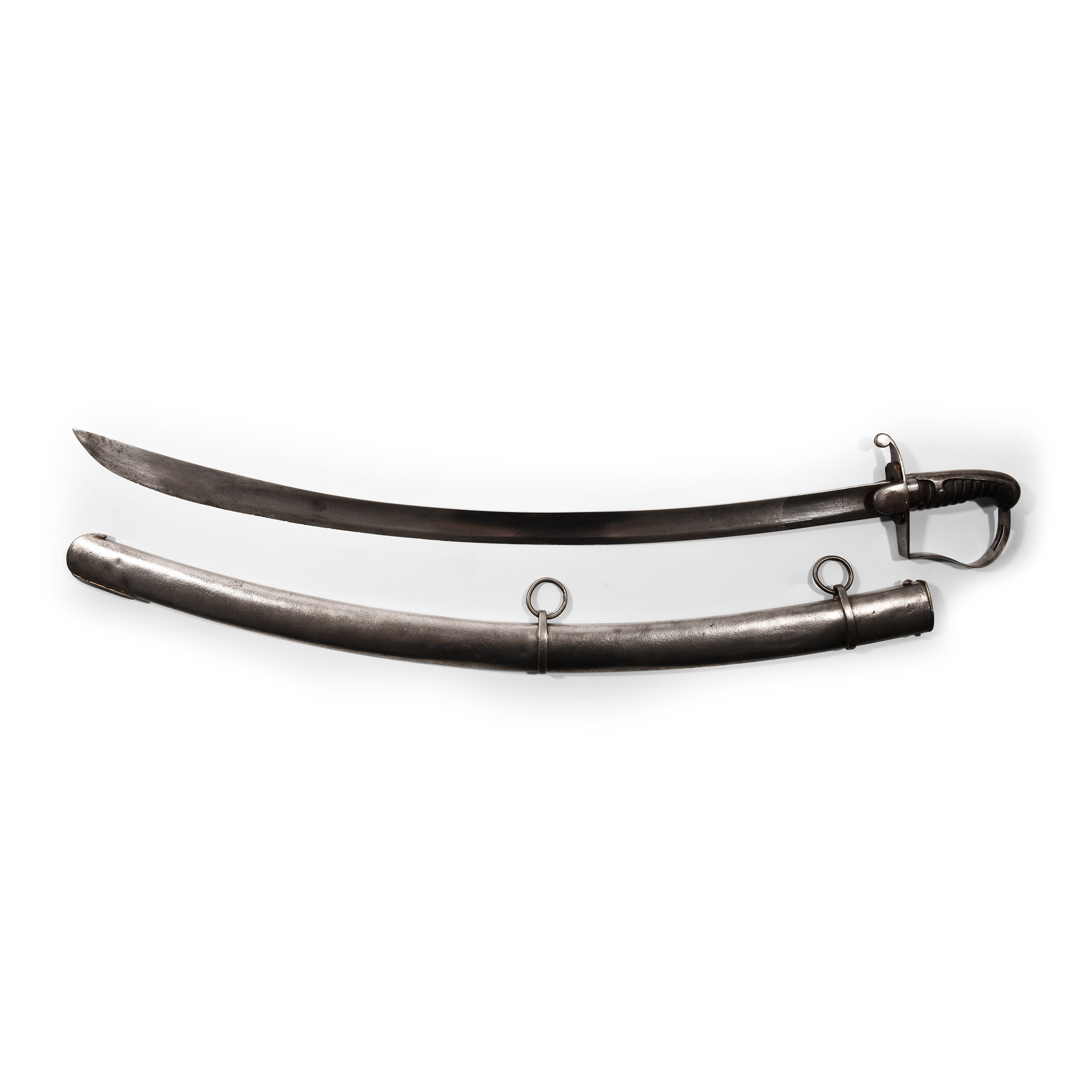
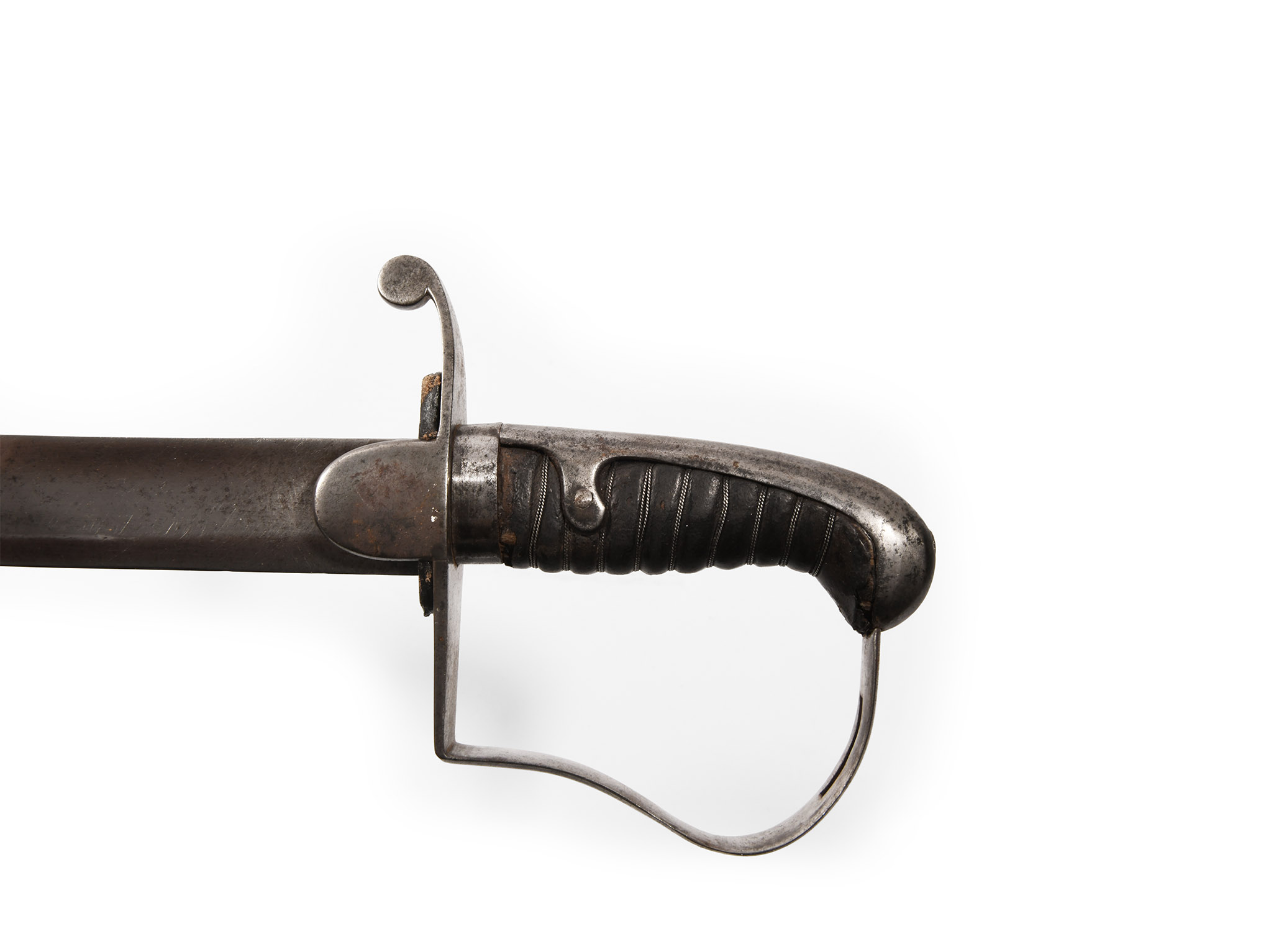
British 1796 Pattern Light Cavalry Officer's Sword
19TH CENTURY A.D.
39 3/4 in. (1.7 kg, 1.01 m).
Composed of a curved blade with broad fuller, facetted steel stirrup hilt and grip retaining its original wire-bound leather; accompanied by the sword's steel scabbard.
ProvenanceAcquired from Military Swords Ltd, UK, 2015.
The Kusmirek Collection, UK.
Accompanied by a copy of the purchase invoice and item details.
See Withers, Harvey, J. S., Swords and Sabres,2011, p.192, for similar example.
CONDITIONTimeLine Auctions follows a vetting process to ensure the authenticity and legality of all items, reinforcing our commitment to integrity and responsible trading. Each antiquity, antique, and coin lot undergoes thorough examination by a vetting committee of at least ten external specialists, professional trade association members, scientists, and archaeologists: Our Vetting Process
AUCTIONS:
TimeLine is a leading auction house specialising in antiquities, ancient art, collectables, natural history, coins, medals, and books. Our auctions offer museums, collectors, historians, and enthusiasts the opportunity to acquire unique and historically significant pieces.
-
Viking Socketted Spearhead
10th-14th century A.D.Sold for (Inc. bp): £91
The leaf-shaped head with full-length midrib to both faces, tapering round-section socket with piercing for attachment to an organic shaft. 70 grams, 22 cm
Ex Surrey collection, formed 1990-2000. Acquired from TimeLine Auctions 2016, lot 162 (part). The Kusmirek Collection, UK. -
.jpg)
South German Burgonet Helm
Circa 1560-1570 A.D.Estimate: £2,000 - 3,000 (+bp*)
Opening Bid: £944
The one-piece skull rising to a prominent baluster-shaped finial, facetted upper half, the lower writhen projecting forward to flat obtusely pointed integral peak and backwards to a similar but shorter integral neck-guard, hinged cheek-pieces embossed with a star with four points, an auditory hole between each arm; fitted internally with a quilted canvas lining; with possible punched 'eagle' maker mark to visor projection. 1.54 kg, 24 cm high
with Thomas Del Mar Ltd, 6th December 2017, lot 199. The Kusmirek Collection, UK. Accompanied by an academic report by Dr Raffaele D'Amato. Accompanied by a copy of the relevant Thomas Del Mar Ltd catalogue pages and purchase invoice. This lot has been checked against the Interpol Database of stolen works of art and is accompanied by search certificate number no.11770-203982.
Most original burgonets feature some form of decoration. Rolled and roped edges and pierced cheek-pieces are common, and the finest burgonets were engraved, inlaid and/or selectively coloured and polished. Some were covered in fine cloth in the tradition of sallets. The name seems to be a corrupted form of bourguignotte, the contemporary French term for this helmet type. -
Iron Age Celtic Sacrificed Sword and Axehead Group
2nd century B.C.-1st century A.D.Sold for (Inc. bp): £312
Ritualistically bent in the middle of the blade; together with two socketted axeheads, one Roman, one Celtic. 1.25 kg total, 10-60 cm
Acquired 1990s-early 2000s. East Anglian private collection.
