
Loading, please wait...
![Boxed Quartz Rock Crystal Specimen Collection [6]](https://timelineauctions.com/zoom_images/zoomthumb/2/2/227994_900x900.jpg "Boxed Quartz Rock Crystal Specimen Collection [6]")
![Boxed Quartz Rock Crystal Specimen Collection [6]](https://timelineauctions.com/zoom_images/zoommap/2/2/227994_200x200.jpg "Boxed Quartz Rock Crystal Specimen Collection [6]")
![Boxed Quartz Rock Crystal Specimen Collection [6]](https://timelineauctions.com/upload/images/items/227994.jpg "Boxed Quartz Rock Crystal Specimen Collection [6]")
LOT 2407
Boxed Quartz Rock Crystal Specimen Collection [6]
2 - 2 3/8 in. (267 grams total, 50-62 mm).
Comprising six clusters with prismatic crystals, mainly colourless to white, one with an interesting green inclusion to the larger crystal; each in a labelled cardboard specimen tray. [6, No Reserve]
ProvenanceFrom Minas Gerais, Brazil.
Ex Mineral Imports, London, UK.
Gregory, Bottley & Lloyd (Gregory's), Harwich, UK.
TimeLine Auctions follows a vetting process to ensure the authenticity and legality of all items, reinforcing our commitment to integrity and responsible trading. Each antiquity, antique, and coin lot undergoes thorough examination by a vetting committee of at least ten external specialists, professional trade association members, scientists, and archaeologists: Our Vetting Process
AUCTIONS:
TimeLine is a leading auction house specialising in antiquities, ancient art, collectables, natural history, coins, medals, and books. Our auctions offer museums, collectors, historians, and enthusiasts the opportunity to acquire unique and historically significant pieces.
-
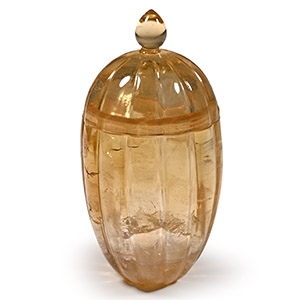
Lidded Yellow Quartz Vessel
Sold for (Inc. bp): £286
An acorn-shaped vessel with fluted body and lid, narrow flat base and onion-knop finial to the lid. 404 grams, 13 cm high
From the family collection of a Hampstead gentleman; formerly acquired in the 1980s. -
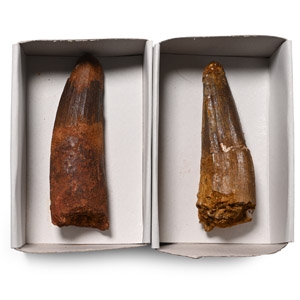
Fossil Spinosaurus Tooth Group
Cretaceous Period, circa 125-113 million years B.P.Sold for (Inc. bp): £26
Comprising two teeth with some root; repaired. 73 grams total, 66-71 mm
From a Lincolnshire, UK, collection. -
![Pyrite Fools Gold Mineral Specimen Group [100]](https://timelineauctions.com/upload/images/items/small/228156-s.jpg)
Pyrite 'Fools Gold' Mineral Specimen Group [100]
Sold for (Inc. bp): £7
Comprising one hundred intergrown crystal clusters. 1.12 kg total, 18-28 mm
From Huanuco, Peru. Ex Mineral Imports, London, UK. Gregory, Bottley & Lloyd (Gregory's), Harwich, UK.
