
Loading, please wait...

LOT 2090
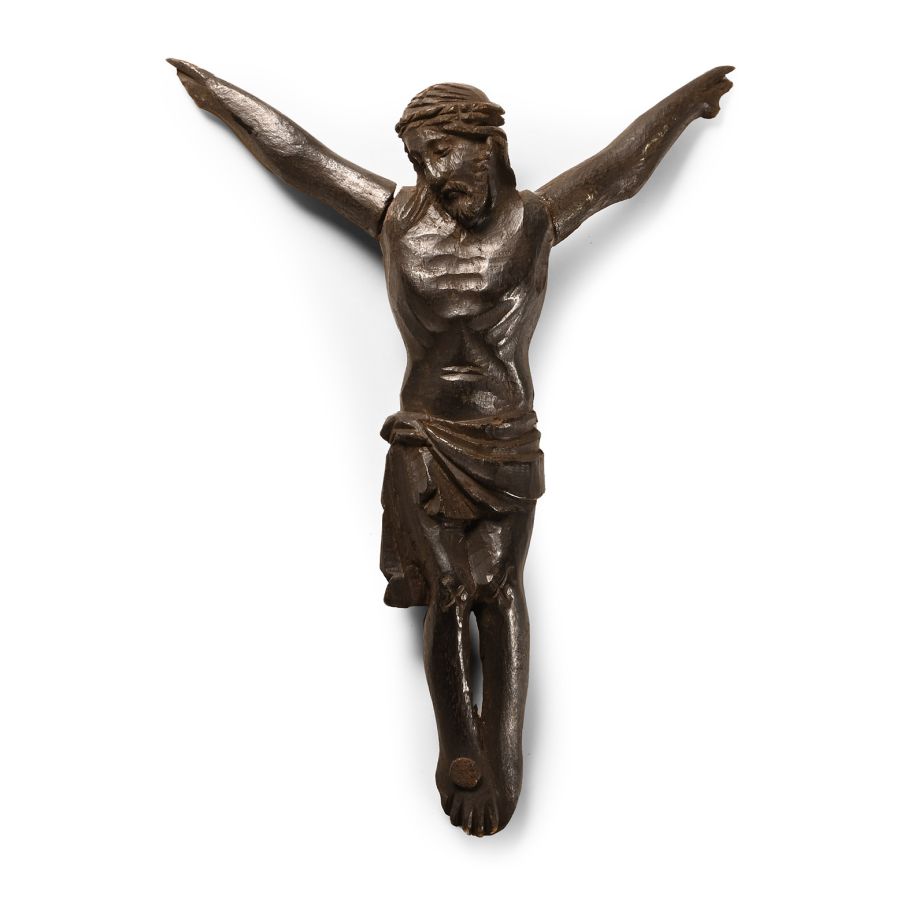
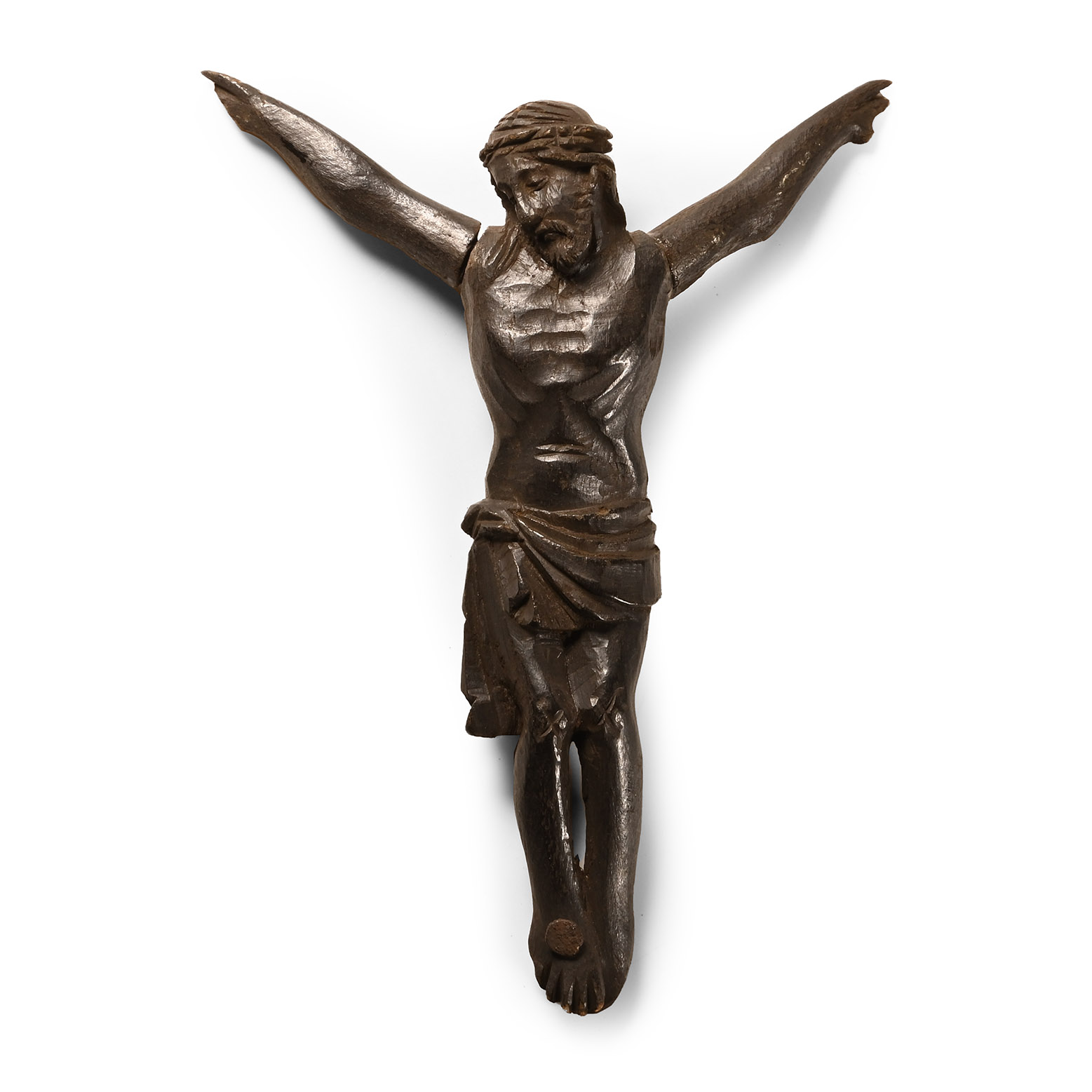
Bone Corpus Christi
17TH-18TH CENTURY A.D.
4 in. (21.4 grams, 10 cm).
Carved in the half-round with head tilted and separately carved arms extended, crown of thorns to the brow and loincloth gathered at the hip; feet crossed and pierced with a mounting pin. [No Reserve]
ProvenanceFrom the private collection of the late Victor Brox.
CONDITIONTimeLine Auctions follows a vetting process to ensure the authenticity and legality of all items, reinforcing our commitment to integrity and responsible trading. Each antiquity, antique, and coin lot undergoes thorough examination by a vetting committee of at least ten external specialists, professional trade association members, scientists, and archaeologists: Our Vetting Process
AUCTIONS:
TimeLine is a leading auction house specialising in antiquities, ancient art, collectables, natural history, coins, medals, and books. Our auctions offer museums, collectors, historians, and enthusiasts the opportunity to acquire unique and historically significant pieces.
-
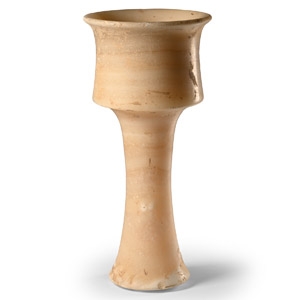
Bactrian Style Alabaster Chalice
20th century A.D.Sold for (Inc. bp): £26
With squat, bell-shaped bowl, everted rim and tapering cylindrical stem. 1.93 kg, 25.5 cm
Ex London, UK, art market, 1990s. -
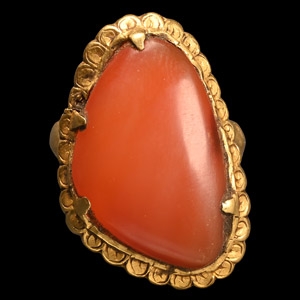
Gold Ring with Carnelian Cabochon
Circa 16th-17th century A.D.Sold for (Inc. bp): £445
The hoop carinated, kidney-shaped cabochon held in a claw setting with engraved scalloped border. 8.65 grams, 27.52 mm overall, 16.86 mm internal diameter (approximate size British L, USA 5 3/4, Europe 11.24, Japan 10)
Acquired 1990s-early 2000s. East Anglian private collection. -
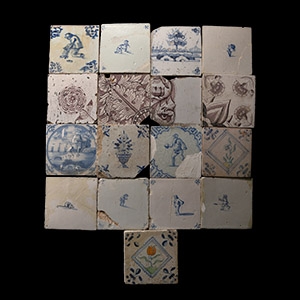
Post Medieval Dutch Glazed Ceramic Tile Group
Circa 17th-18th century A.D.Sold for (Inc. bp): £78
Comprising various coloured glazed and featuring floral and vegetal motifs, figural scenes, animals and landscape/seascape compositions. 5.33 kg total, 13 x 13 - 13.5 x 13.5 cm
Acquired 1990s-early 2000s. East Anglian private collection.
