
Loading, please wait...
LOT 0640
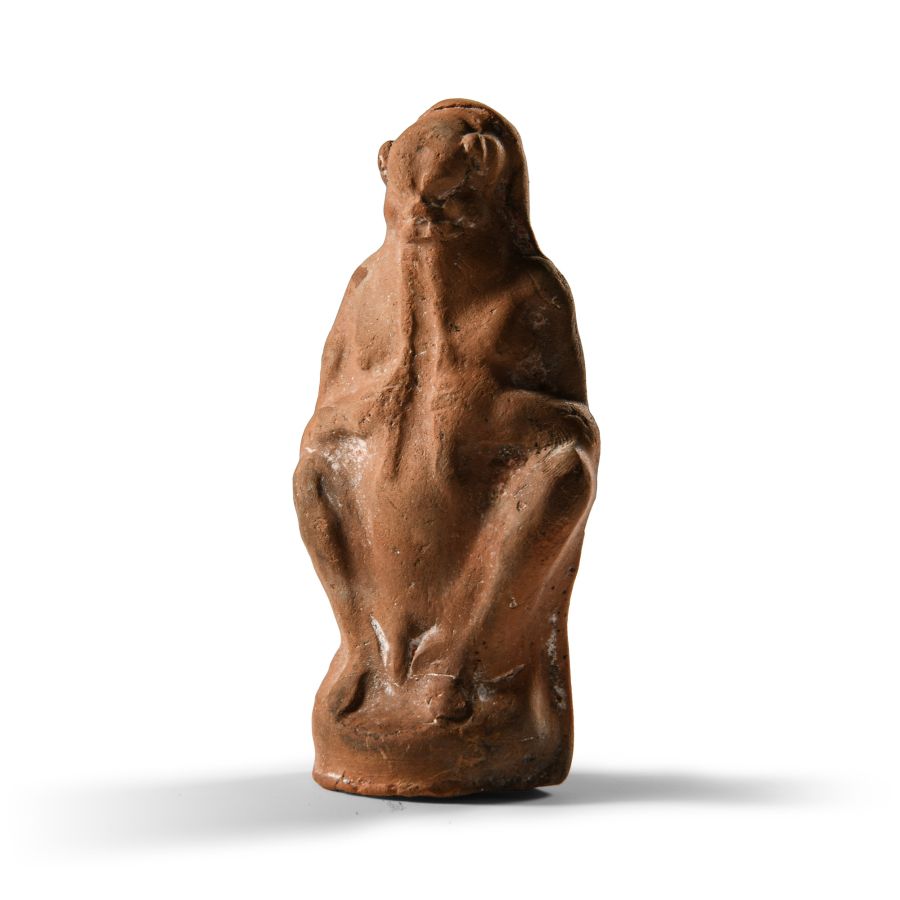
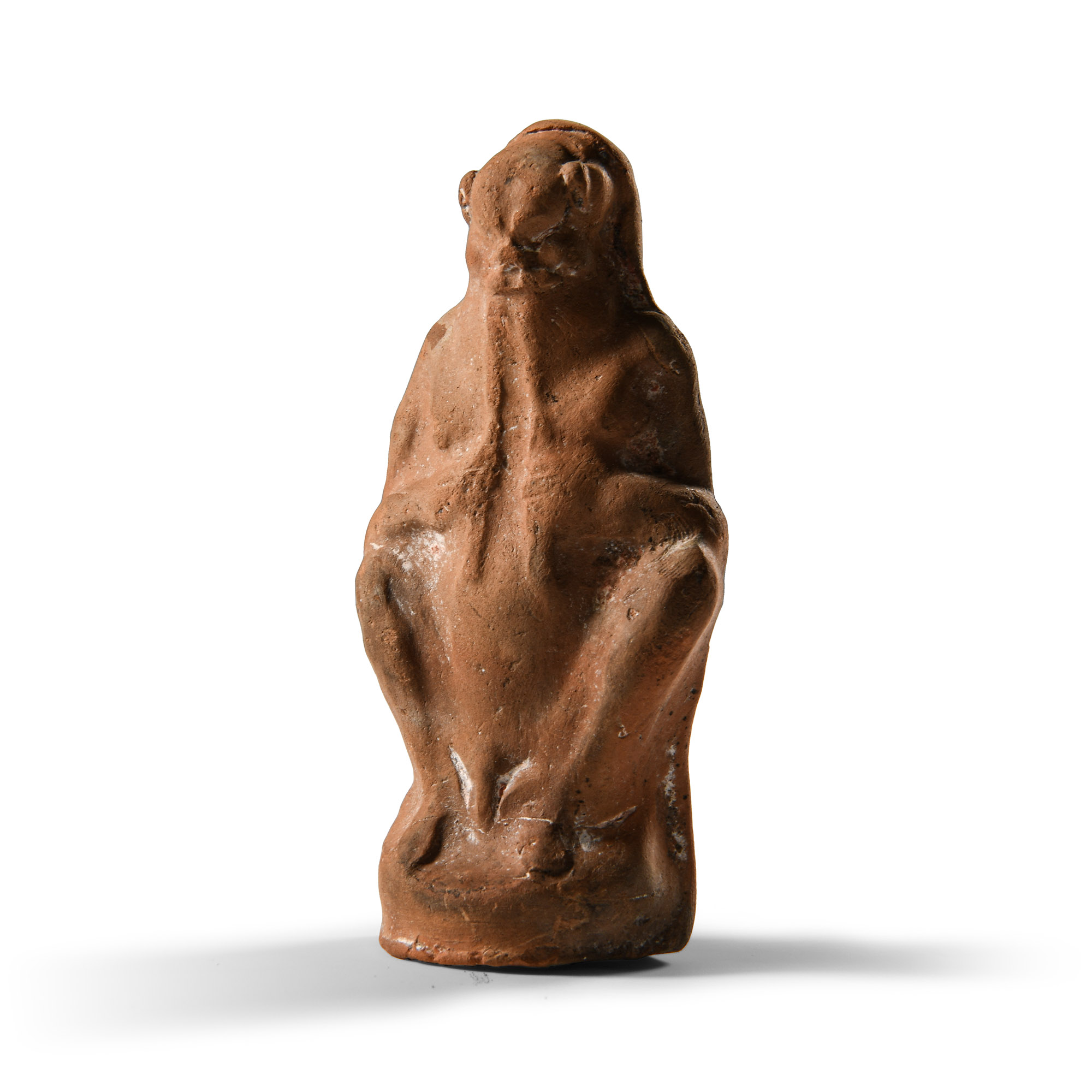
Boeotian Terracotta Figure of Satyr Playing an Aulos
5TH-4TH CENTURY B.C.
3 1/2 in. (66 grams, 88 mm).
Modelled in the half-round, hollow to the underside; Satyr shown crouching, nude, playing an aulos, a double-reed musical instrument; plain to the reverse.
ProvenancePrivate collection of Mr S.A., Switzerland, 1994, thence by descent.
CONDITIONTimeLine Auctions follows a vetting process to ensure the authenticity and legality of all items, reinforcing our commitment to integrity and responsible trading. Each antiquity, antique, and coin lot undergoes thorough examination by a vetting committee of at least ten external specialists, professional trade association members, scientists, and archaeologists: Our Vetting Process
AUCTIONS:
TimeLine is a leading auction house specialising in antiquities, ancient art, collectables, natural history, coins, medals, and books. Our auctions offer museums, collectors, historians, and enthusiasts the opportunity to acquire unique and historically significant pieces.
-
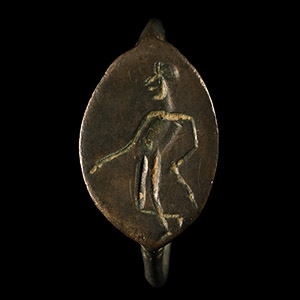
Greek Ring with Standing God
5th-4th century B.C.Sold for (Inc. bp): £195
Scaphoid bezel with intaglio figure of Mars with helmet and sword. 3.38 grams, 22.28 mm overall, 17.72 x 20.25 mm internal diameter (approximate size British P 1/2, USA 7 3/4, Europe 16.86, Japan 16)
UK private collection before 2000. UK art market. Property of a London gentleman. -
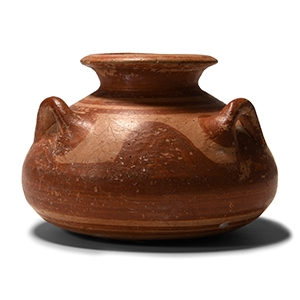
Mycenaean Painted Pottery Alabastron
14th-13th century B.C.Estimate: £1,500 - 2,000 (‡+bp*)
Opening Bid: £750
Formed with a squat globular body, everted rim and three lug handles to the shoulder; painted reddish-brown over a cream slip with concentric bands and rings to the mouth, neck, shoulder and base, larger solid undulating forms covering the lower body. 70 grams, 69 mm
Acquired from Royal Athena Gallery, 2003. This lot has been checked against the Interpol Database of stolen works of art and is accompanied by search certificate number no.11851-206833.
Late Helladic IIIA period of Mycenaean culture. -
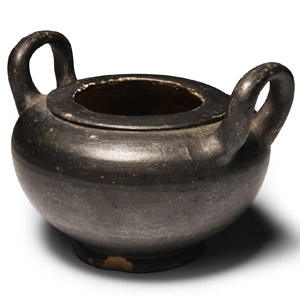
Greek Apulian Blackware Pyxis
Circa 4th-3rd century B.C.Sold for (Inc. bp): £211
Black-glazed rounded body with two upright loop-handles, raised base, keeled edge with a thickened disc rim. 143 grams, 10.8 cm wide
Ex P. A., Hertfordshire, UK, specialist collection of Greek art, 1980-1990s. Accompanied by a copy of an old typed catalogue slip.
This pyxis was once fitted with a lid for cosmetics, powder or jewellery. Greek pottery from southern Italy is most easily identified by its glossy black finish, as seen here. It was the product of the Magna Graecia, especially in Apulia, a region in southern Italy populated by Greek colonists from the 8th century B.C. onwards, which imitated the artistic workshops of Attica and developed its own style.
