
Loading, please wait...
LOT 2268
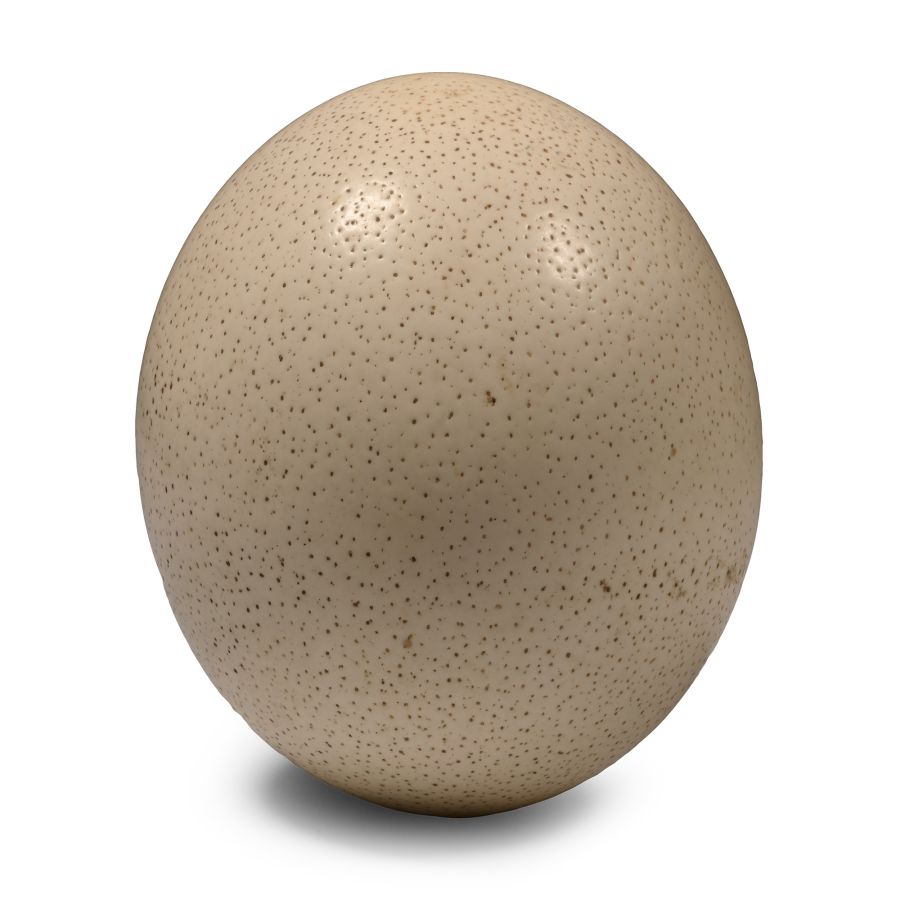
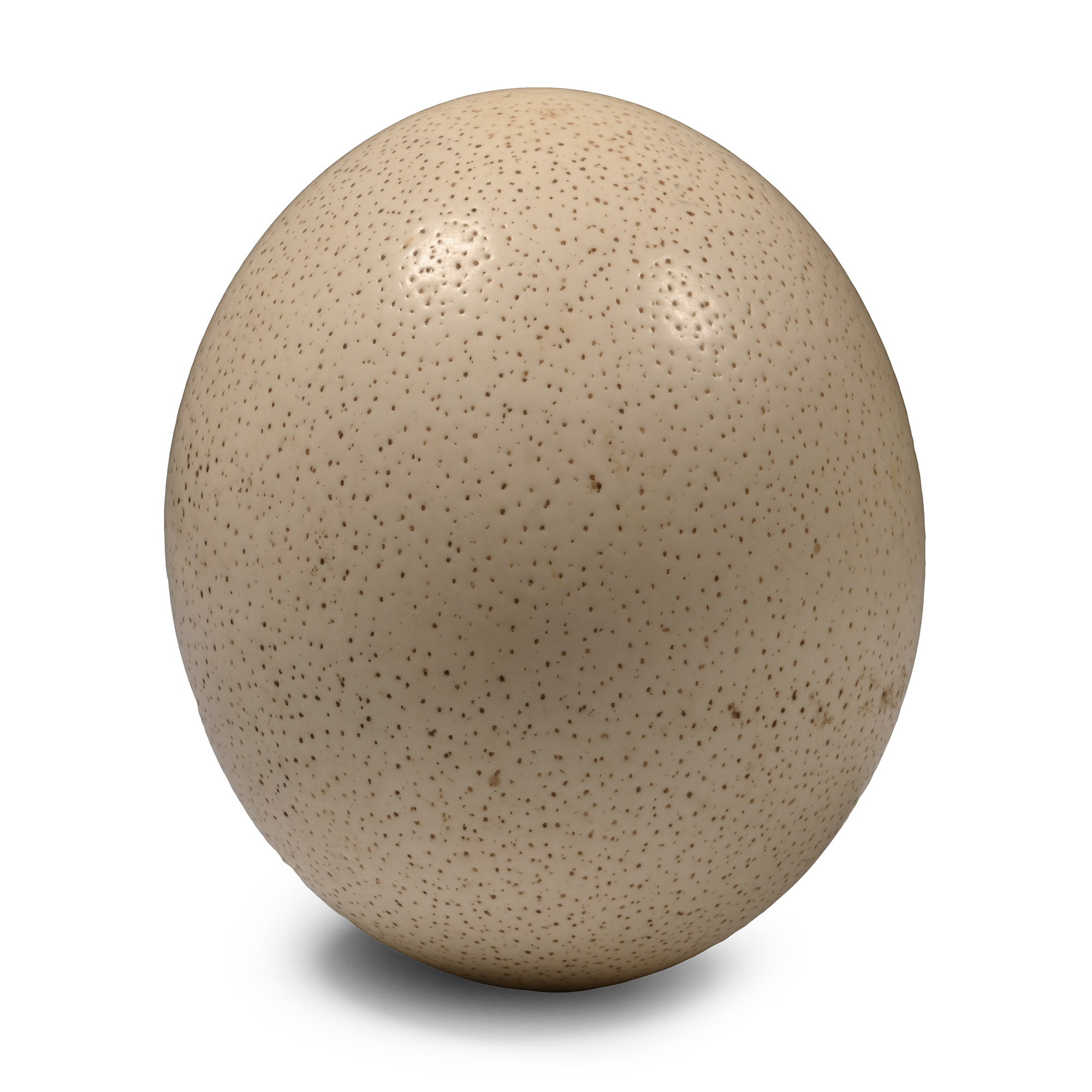
Blown Ostrich Egg for Display
5 1/8 in. (237 grams, 15 cm).
Large size egg with a hole at the base. [No Reserve]
ProvenanceBurwell collection, Cambridgeshire, UK.
CONDITIONTimeLine Auctions follows a vetting process to ensure the authenticity and legality of all items, reinforcing our commitment to integrity and responsible trading. Each antiquity, antique, and coin lot undergoes thorough examination by a vetting committee of at least ten external specialists, professional trade association members, scientists, and archaeologists: Our Vetting Process
AUCTIONS:
TimeLine is a leading auction house specialising in antiquities, ancient art, collectables, natural history, coins, medals, and books. Our auctions offer museums, collectors, historians, and enthusiasts the opportunity to acquire unique and historically significant pieces.
-
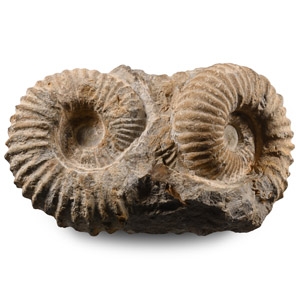
Double Agadir Fossil Ammonite
Cretaceous Period, circa 145-66 million years B.P.Sold for (Inc. bp): £78
The opposing pair on a matrix, possibly Calycoceras. 3.6 kg, 24.5 cm
From a Cambridgeshire, UK, collection. -
![Aragonite Crystal Mineral Specimen Group [100]](https://timelineauctions.com/upload/images/items/small/228196-s.jpg)
Aragonite Crystal Mineral Specimen Group [100]
Sold for (Inc. bp): £26
Comprising one hundred golden brown 'sputnik' clusters. 774 grams total, 19-30 mm
Ex Mineral Imports, London, UK. Gregory, Bottley & Lloyd (Gregory's), Harwich, UK. -
![Quartz Rock Crystal Multi Point Display Collection [6]](https://timelineauctions.com/upload/images/items/small/228148-s.jpg)
Quartz Rock Crystal Multi Point Display Collection [6]
Sold for (Inc. bp): £13
Comprising six clusters with at least one larger prismatic point, mainly clear to white in colour, one with a yellow hue. 663 grams total, 73-87 mm
From Brazil. Ex Mineral Imports, London, UK. Gregory, Bottley & Lloyd (Gregory's), Harwich, UK.
