
Loading, please wait...
LOT 2265
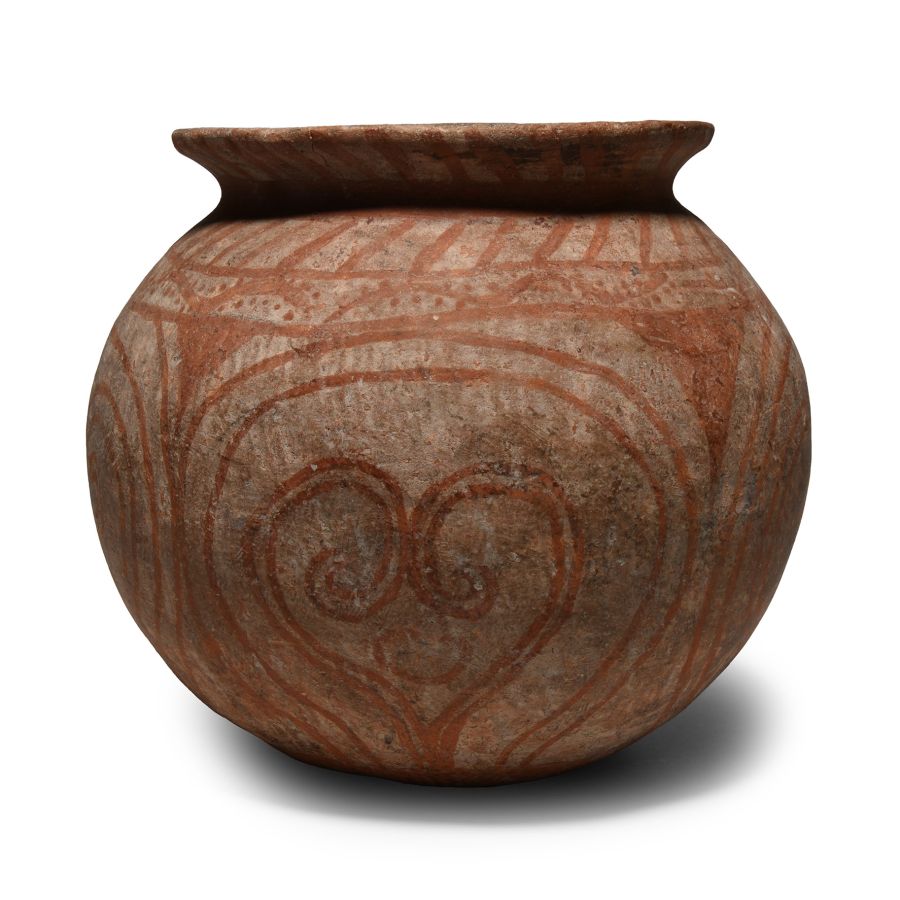
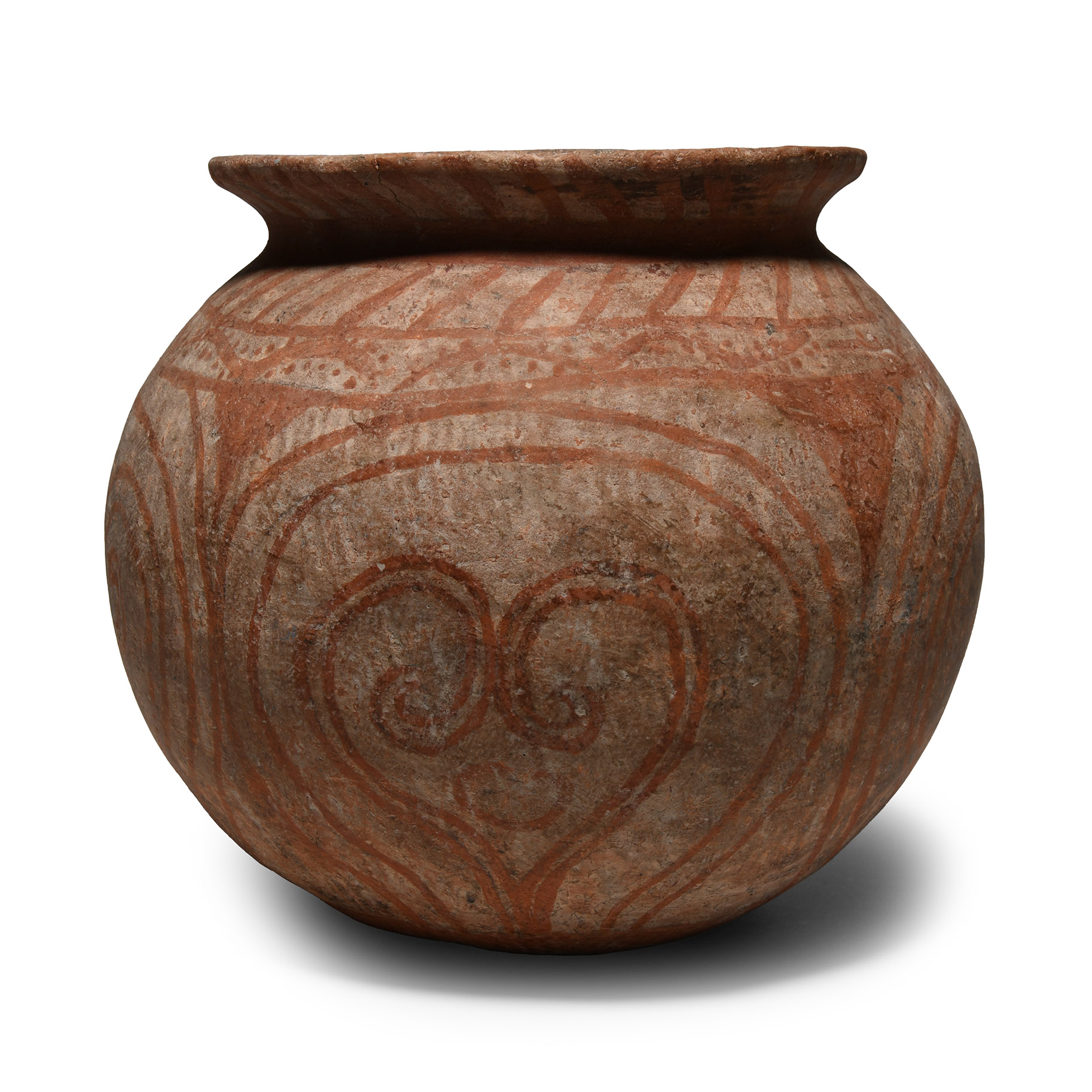
Ban Chiang Period Painted Terracotta Jar
MIDDLE PERIOD, 900-300 B.C.
8 in. (1.32 kg, 20 cm wide).
Comprising a bulbous body with narrow shoulder, broad neck and everted mouth; band of painted intersecting scrolled tendril motifs reserved against a hatched field. [No Reserve]
ProvenanceFrom a collection acquired on the UK art market from various auction houses and collections mostly before 2000.
From an important Cambridgeshire estate; thence by descent.
See Labbe, A., Prehistoric Thai Ceramics: Ban Chiang Regional Cultural Perspectives, Bangkok, 2002, for discussion.
CONDITIONTimeLine Auctions follows a vetting process to ensure the authenticity and legality of all items, reinforcing our commitment to integrity and responsible trading. Each antiquity, antique, and coin lot undergoes thorough examination by a vetting committee of at least ten external specialists, professional trade association members, scientists, and archaeologists: Our Vetting Process
AUCTIONS:
TimeLine is a leading auction house specialising in antiquities, ancient art, collectables, natural history, coins, medals, and books. Our auctions offer museums, collectors, historians, and enthusiasts the opportunity to acquire unique and historically significant pieces.
-
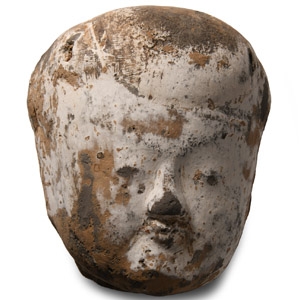
Chinese Han Terracotta Head
Han Dynasty, 206 B.C.-220 A.D.Sold for (Inc. bp): £13
Hollow-formed with low-relief facial features and flat reverse. 478 grams, 10.9 cm
Private UK collection. Acquired in the 1980s. Property of a Cambridgeshire gentleman. -
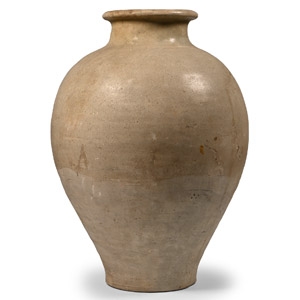
Chinese Tang White Ware Jar
Tang Dynasty, 618-907 A.D. or laterSold for (Inc. bp): £546
Piriform in profile with broad mouth and rolled rim, cream glaze. 2.6 kg, 31.5 cm
From a West Country, UK, collection, 1990s. -
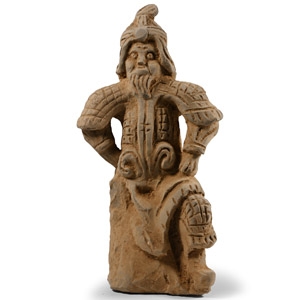
Chinese Song Terracotta Warrior Figure
Song Dynasty, 960-1279 A.D. or laterSold for (Inc. bp): £78
Unglazed ceramic figure of a warrior in a dynamic pose, seated on a rock, wearing a full lamellar armour and a helmet, full cheeks and large eyes. 2.27 kg, 29.5 cm
Ex West Country, UK, collection, 1990s.
