
Loading, please wait...
LOT 2082
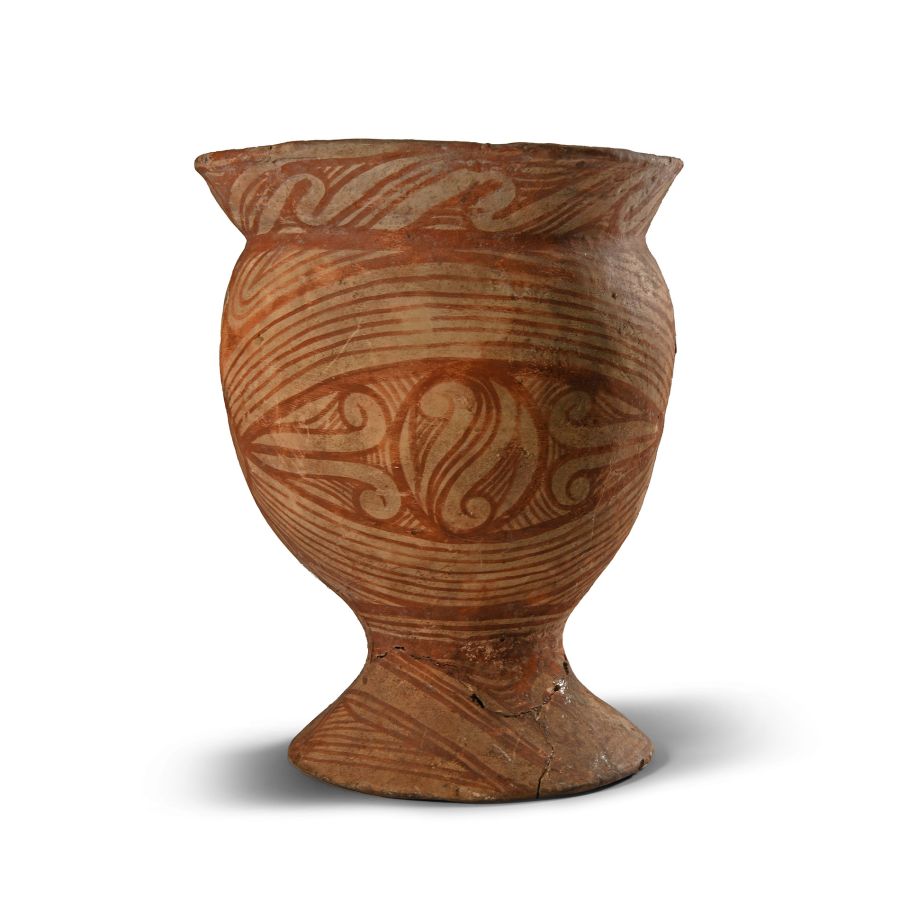
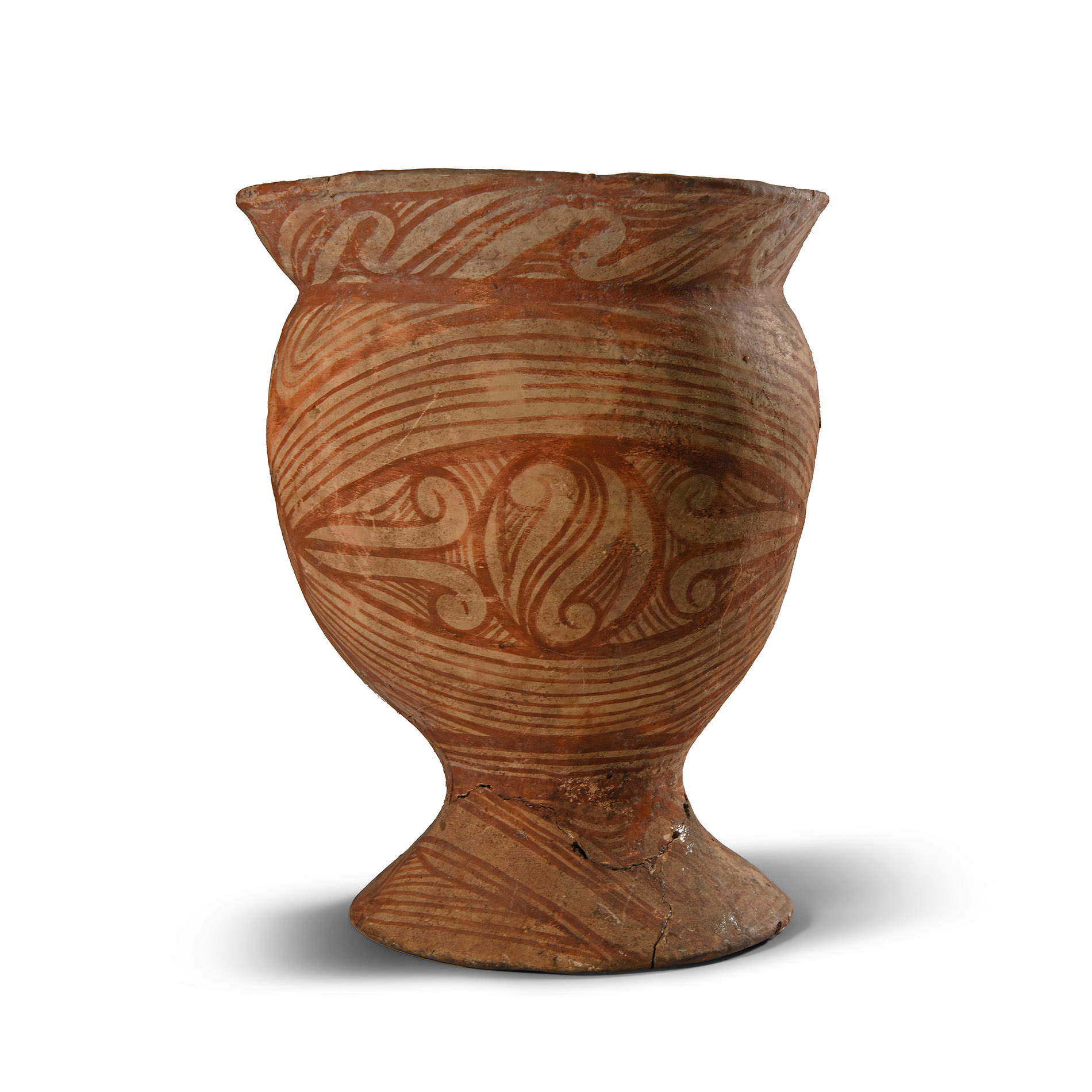
Ban Chiang Period Painted Chalice
MIDDLE PERIOD, 900-300 B.C.
9 in. (1.75 kg, 23 cm high).
With ovate body and flared rim, domed foot; decorated with series of interlocking linear and spiral motifs; base repaired. [No Reserve]
ProvenanceFrom a collection acquired on the UK art market from various auction houses and collections mostly before 2000.
From an important Cambridgeshire estate; thence by descent.
See Labbe, A., Prehistoric Thai Ceramics: Ban Chiang in Regional Cultural Perspectives, Bangkok, 2002.
CONDITIONTimeLine Auctions follows a vetting process to ensure the authenticity and legality of all items, reinforcing our commitment to integrity and responsible trading. Each antiquity, antique, and coin lot undergoes thorough examination by a vetting committee of at least ten external specialists, professional trade association members, scientists, and archaeologists: Our Vetting Process
AUCTIONS:
TimeLine is a leading auction house specialising in antiquities, ancient art, collectables, natural history, coins, medals, and books. Our auctions offer museums, collectors, historians, and enthusiasts the opportunity to acquire unique and historically significant pieces.
-
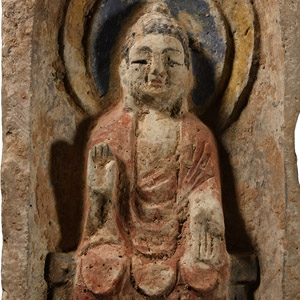
Chinese Northern Wei Painted Buddha Brick
Northern Wei Dynasty, 386-534 A.D.Sold for (Inc. bp): £182
Rectangular with arched recessed niche enclosing a standing robed Buddha figure in high-relief, hands in the gesture of reassurance. 3.22 kg, 33 cm
Ex Hong Kong collection, 1980-1990. -
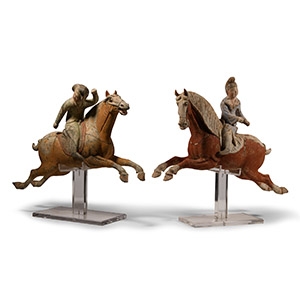
Chinese Tang Terracotta Polo Player Pair
Tang Dynasty, 618-907 A.D.Sold for (Inc. bp): £7,150
A dynamic pair of ceramic polo player figures modelled in the round, riding galloping horses in vigorous poses, each a female in a robe with long sleeves and extensive remains of polychrome pigmentation, detailing to the harnesses and rider's garments; each with a custom-made display stand. 10.65 kg total, 45-47 cm high including stands
From a West Country, UK, collection, formed in the 1990s. Accompanied by a thermoluminescence analysis report no.C124a7 from Oxford Authentication for one of the figures. This lot has been checked against the Interpol Database of stolen works of art and is accompanied by search certificate no.12097-213518. -
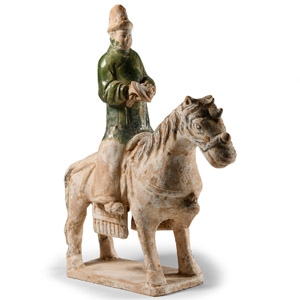
Chinese Ming Terracotta Attendant on Horseback
Ming Dynasty, 1368-1644 A.D. or laterSold for (Inc. bp): £325
Modelled on a rectangular base, the horse standing in harness and with a long saddlecloth; the rider modelled seated in the saddle, arms held before the body, holding cymbals. 1.65 kg, 30.5 cm high
Ex North Yorkshire, UK, collection, 1990s.
The finest of ceramic figures during the Ming Dynasty have a simplicity and compactness of modelling that makes them extremely impressive. Far greater freedom of movement was possible in ceramic sculpture, which now lent an air of gaiety and splendour already glittering with yellow, blue, and green tiles. Boldly conceived figures of men and horses in green-and-brown-glazed terracotta (liu-li) are splendid examples of the confident manner in which Ming craftsmen revived and transformed the style of the Tang Dynasty. These attendants on horseback are excellent examples of Ming Dynasty tomb pottery. The glazed sculptures were placed in burial chambers in order to flaunt social status, wealth, and power.
