
Loading, please wait...
LOT 0230
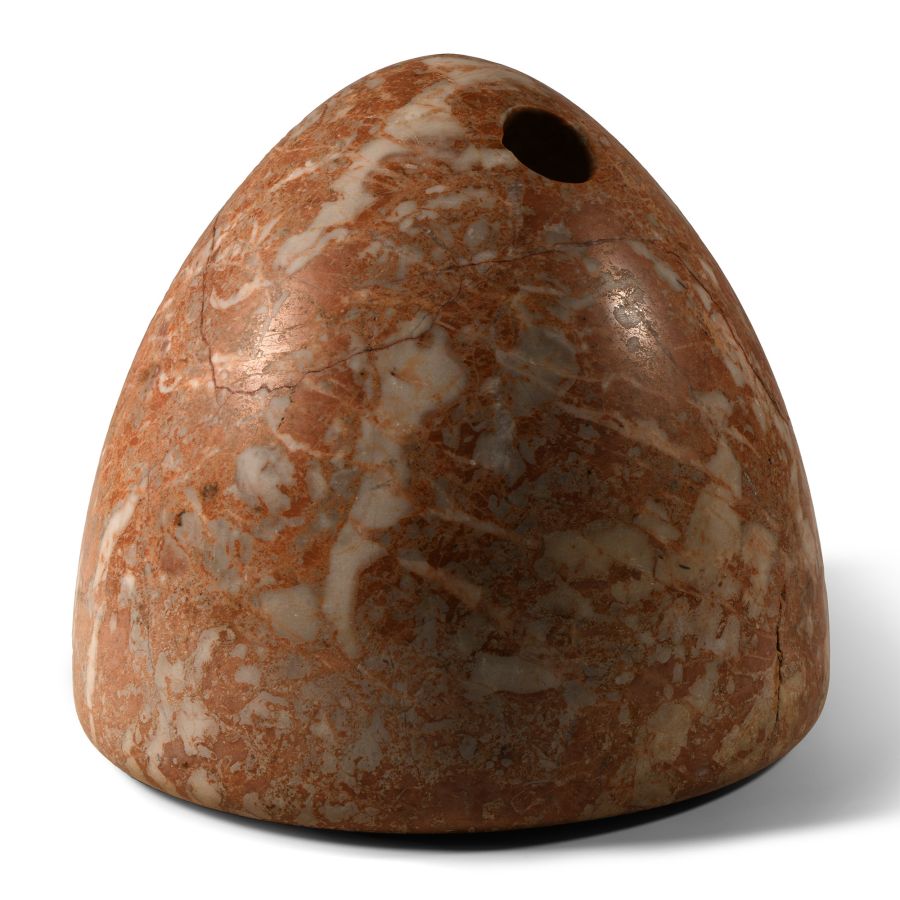
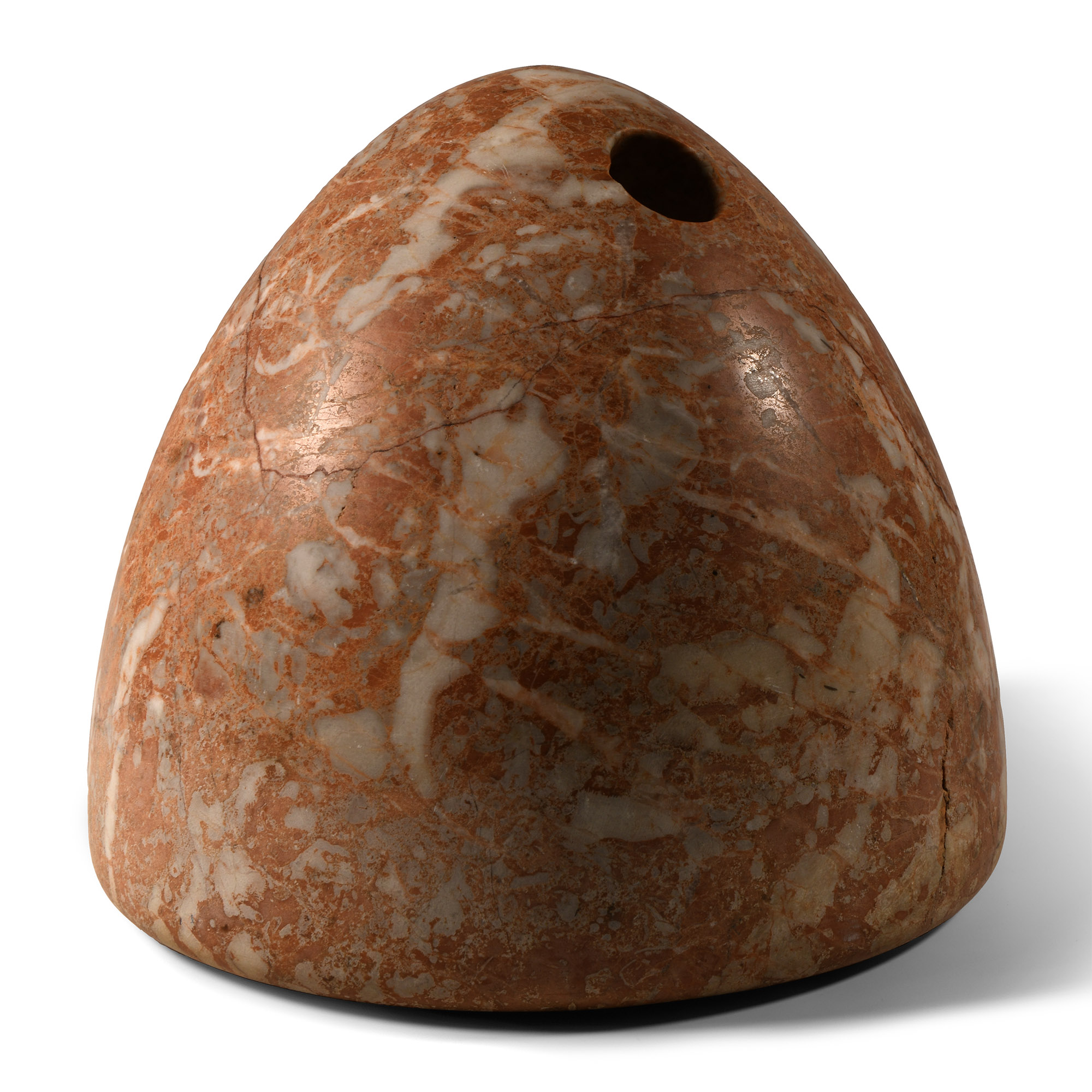
Bactrian Veined Marble Weight
2ND MILLENNIUM B.C.
7 in. (9.35 kg, 18 cm).
Conical in profile with flat base and U-shaped channel through the apex.
ProvenanceEx London, UK, gallery, 1971-early 2000s.
CONDITIONTimeLine Auctions follows a vetting process to ensure the authenticity and legality of all items, reinforcing our commitment to integrity and responsible trading. Each antiquity, antique, and coin lot undergoes thorough examination by a vetting committee of at least ten external specialists, professional trade association members, scientists, and archaeologists: Our Vetting Process
AUCTIONS:
TimeLine is a leading auction house specialising in antiquities, ancient art, collectables, natural history, coins, medals, and books. Our auctions offer museums, collectors, historians, and enthusiasts the opportunity to acquire unique and historically significant pieces.
LOT 0230
Bactrian Veined Marble Weight
Estimate £800 - 1,000€930 - 1,160 (for guidance only)$1,080 - 1,350 (for guidance only)
-
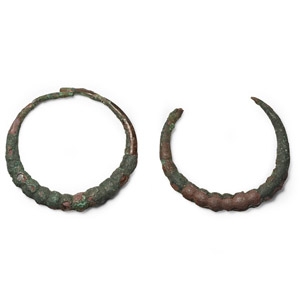
Western Asiatic Bronze Bracelet Pair
Circa 1st millennium B.C.Sold for (Inc. bp): £65
Comprising two penannular bracelets with ribbed bodies expanding at the centre. 40.2 grams total, 55 mm each
UK private collection before 2000. On the UK art market. Property of a London gentleman. -
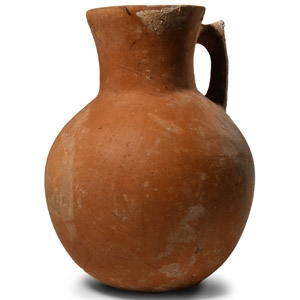
Luristan Terracotta Jug with Animal-Headed Handle
1st millennium B.C.Sold for (Inc. bp): £52
With bulbous body and tall tubular neck, slightly flared rim to the mouth, single strap handle with zoomorphic thumb-pad. 990 grams, 24.5 cm
Ex London, UK, gallery, 1980s. From a UK private collection. -
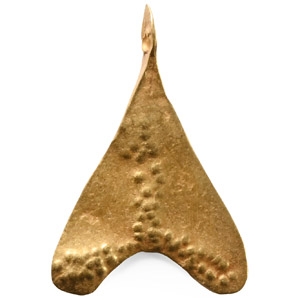
Bactrian Gold Pendant
1st millennium B.C.Estimate: £200 - 300 (+bp*)
Opening Bid: £100
Shaped as an insect with heart-shaped wings, head formed as suspension loop; punched decoration to the wings. 0.78 grams, 21 mm
Acquired 1980-2015. Ex Abelita family collection.
