
Loading, please wait...
LOT 1212
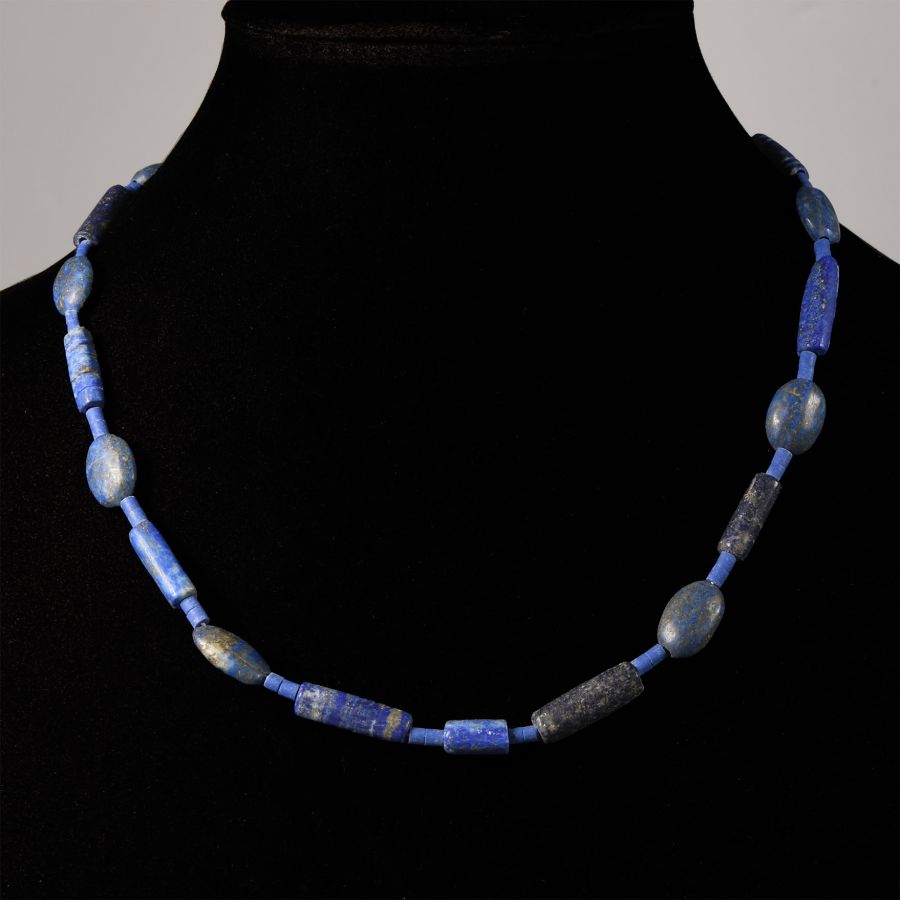
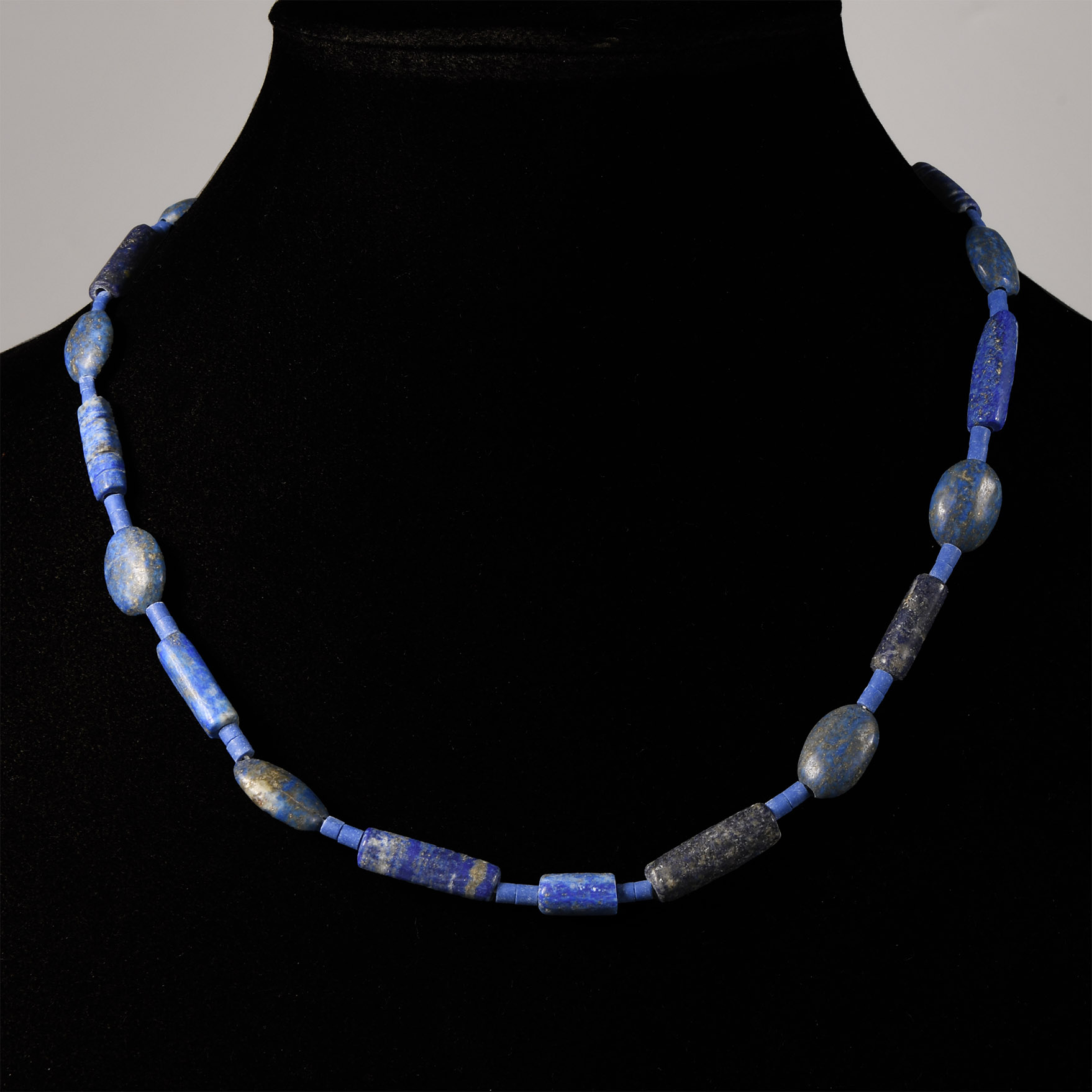
Bactrian Style Lapis Lazuli Bead Necklace
20TH CENTURY A.D.
22 7/8 in. (30 grams, 58 cm long).
Comprising tubular and fusiform lapis lazuli beads. [No Reserve]
ProvenanceAcquired 1980-2015.
Ex Abelita family collection.
TimeLine Auctions follows a vetting process to ensure the authenticity and legality of all items, reinforcing our commitment to integrity and responsible trading. Each antiquity, antique, and coin lot undergoes thorough examination by a vetting committee of at least ten external specialists, professional trade association members, scientists, and archaeologists: Our Vetting Process
AUCTIONS:
TimeLine is a leading auction house specialising in antiquities, ancient art, collectables, natural history, coins, medals, and books. Our auctions offer museums, collectors, historians, and enthusiasts the opportunity to acquire unique and historically significant pieces.
-
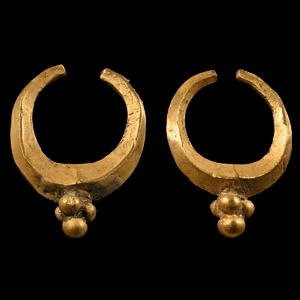
Western Asiatic Gold Earrings
6th-4th century B.C.Estimate: £400 - 600 (+bp*)
Opening Bid: £210
Matched pair, crescentic with chamfered profile, granule cluster to the apex. 5.48 grams total, 18-19 mm
From a late Japanese specialist collector, 1970-2000s. -
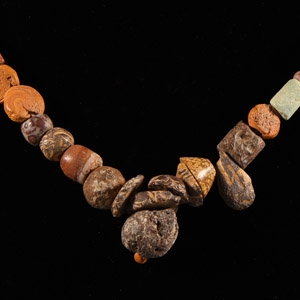
Western Asiatic Mixed Bead Necklace String
1st millennium B.C. and laterSold for (Inc. bp): £26
Graduated group of mainly annular and tubular beads with melon bead centrepiece. 23.9 grams, 42 cm
Acquired 1980-2015. Ex Abelita family collection. -
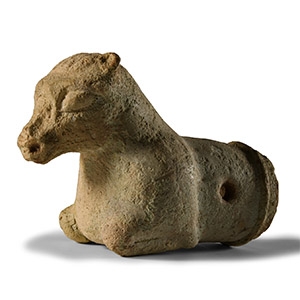
Ziwiye Faience Horse Protome
1st millennium B.C.Sold for (Inc. bp): £117
Modelled in the round as a leaping horse with its forelegs tucked under the body; hollow to the reverse with raised collar and fixing holes. 188 grams, 11 cm
with Atigh Gallery, UK. Acquired by the current owner from the above, 23 February 1984.
