
Loading, please wait...
LOT 1937
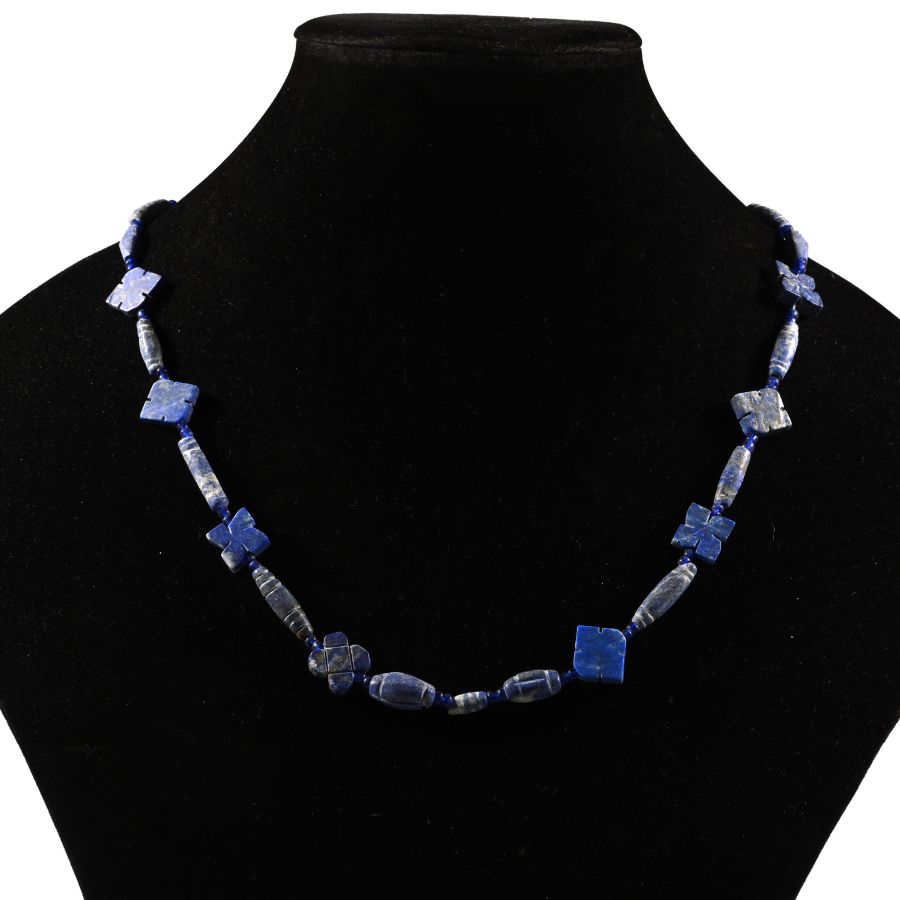
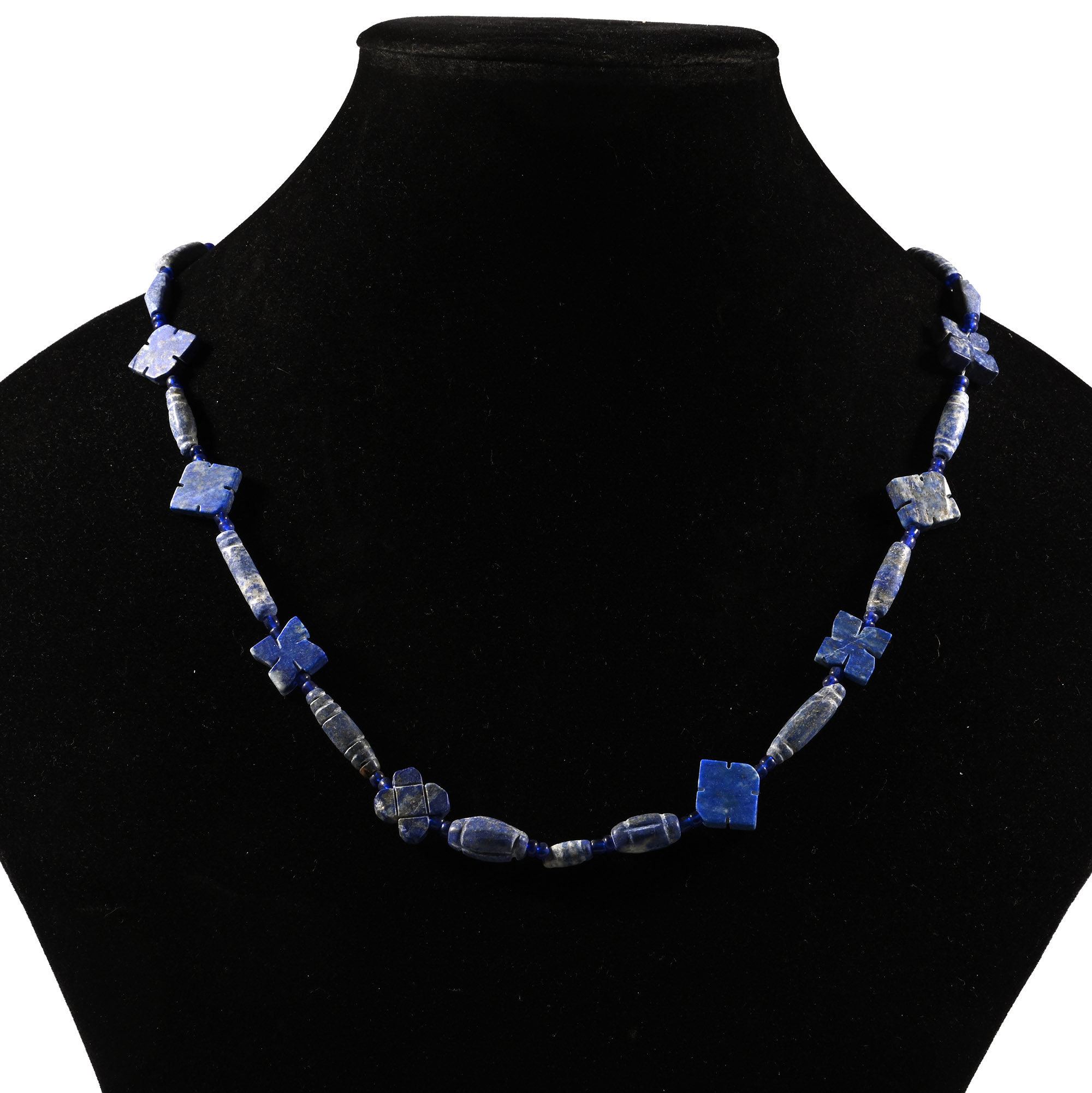
Bactrian Style Lapis Lazuli Bead Necklace String
20TH CENTURY A.D.
17 in. (30.6 grams, 43 cm).
Composed of alternating tabular flower-shaped and grooved cylindrical beads interspersed with small glass oblate beads; restrung. [No Reserve]
ProvenanceEx London, UK, gentleman, 2000s.
This lot is accompanied by an illustrated lot declaration signed by the Head of the Antiquities Department, Dr Raffaele D'Amato.
TimeLine Auctions follows a vetting process to ensure the authenticity and legality of all items, reinforcing our commitment to integrity and responsible trading. Each antiquity, antique, and coin lot undergoes thorough examination by a vetting committee of at least ten external specialists, professional trade association members, scientists, and archaeologists: Our Vetting Process
AUCTIONS:
TimeLine is a leading auction house specialising in antiquities, ancient art, collectables, natural history, coins, medals, and books. Our auctions offer museums, collectors, historians, and enthusiasts the opportunity to acquire unique and historically significant pieces.
-
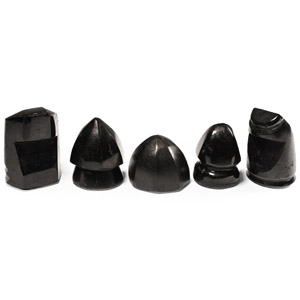
Western Asiatic Style 'Jet' Gaming Piece Group
20th century A.D.Sold for (Inc. bp): £111
Comprising: two facetted mushroom-shaped counters; two formed as stylised horse-heads; one domed with facets; possibly jet. 363 grams total, 49-63 mm
From the family collection of a Hampstead gentleman; formerly acquired in the 1980s. This lot is accompanied by an illustrated lot declaration signed by the Head of the Antiquities Department, Dr Raffaele D'Amato. -
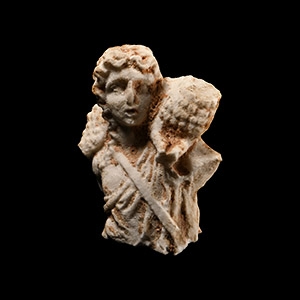
Post Medieval Marble Statuette Fragment
19th-20th century A.D.Sold for (Inc. bp): £143
Showing a shepherd carrying a sheep on his back, possibly depicting the Good Shepherd. 34 grams, 55 mm high
Acquired early 1990s. Ex private American collection; thence by descent. Private collection since 1998. This lot is accompanied by an illustrated lot declaration signed by the Head of the Antiquities Department, Dr Raffaele D'Amato. -
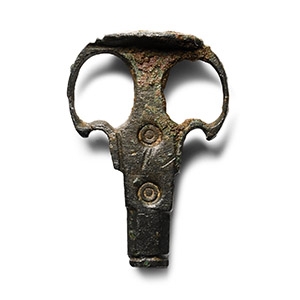
Tudor Bronze Winder Key
16th century A.D. or laterSold for (Inc. bp): £39
With tubular shank and flared lateral arms, ellipsoid panel above. 3.72 grams, 24 mm
Found near Skirpenbeck, Yorkshire, UK, in 1997. From an old Yorkshire, UK, collection. Accompanied by a copy of the British Museum's Portable Antiquities Scheme (PAS) report no.FAKL-404206. This lot is accompanied by an illustrated lot declaration signed by the Head of the Antiquities Department, Dr Raffaele D'Amato.
The item is described by the PAS report as 'probably a watch winding key' although these are very rare until the late 17th century since mechanical timepieces were not portable until then. An alternative use for the item would be for the tuning of a musical instrument: hollow keys for this purpose have been in use since at least the 7th century.
