
Loading, please wait...
LOT 2128
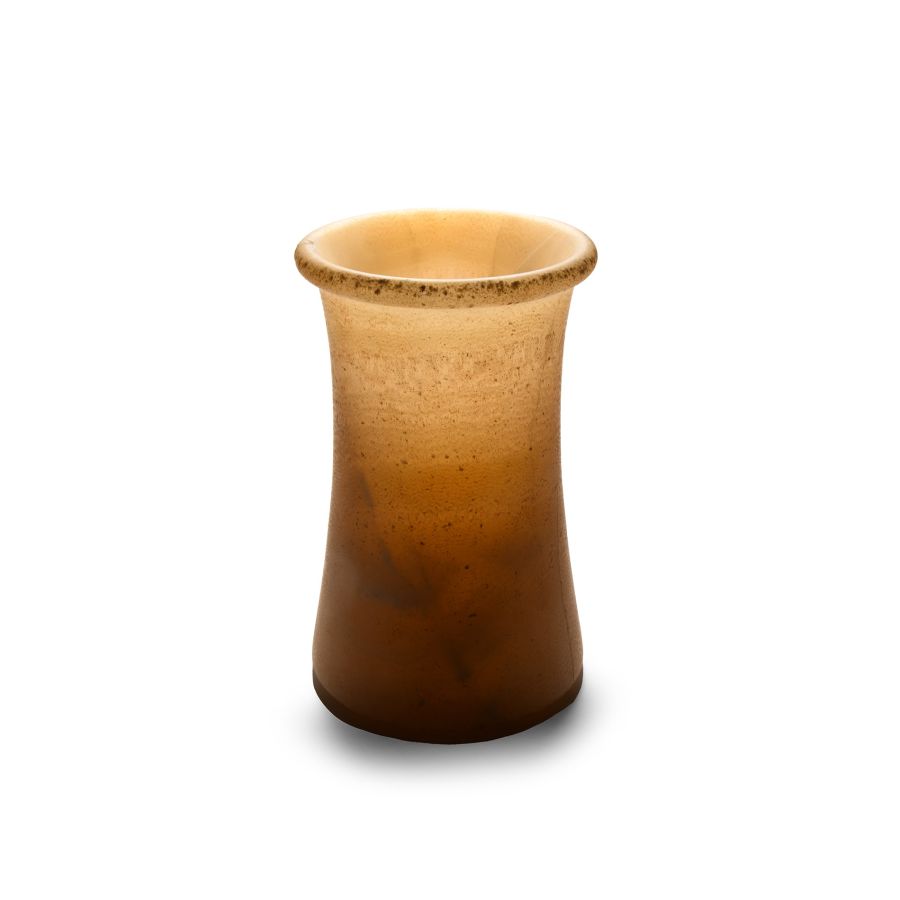
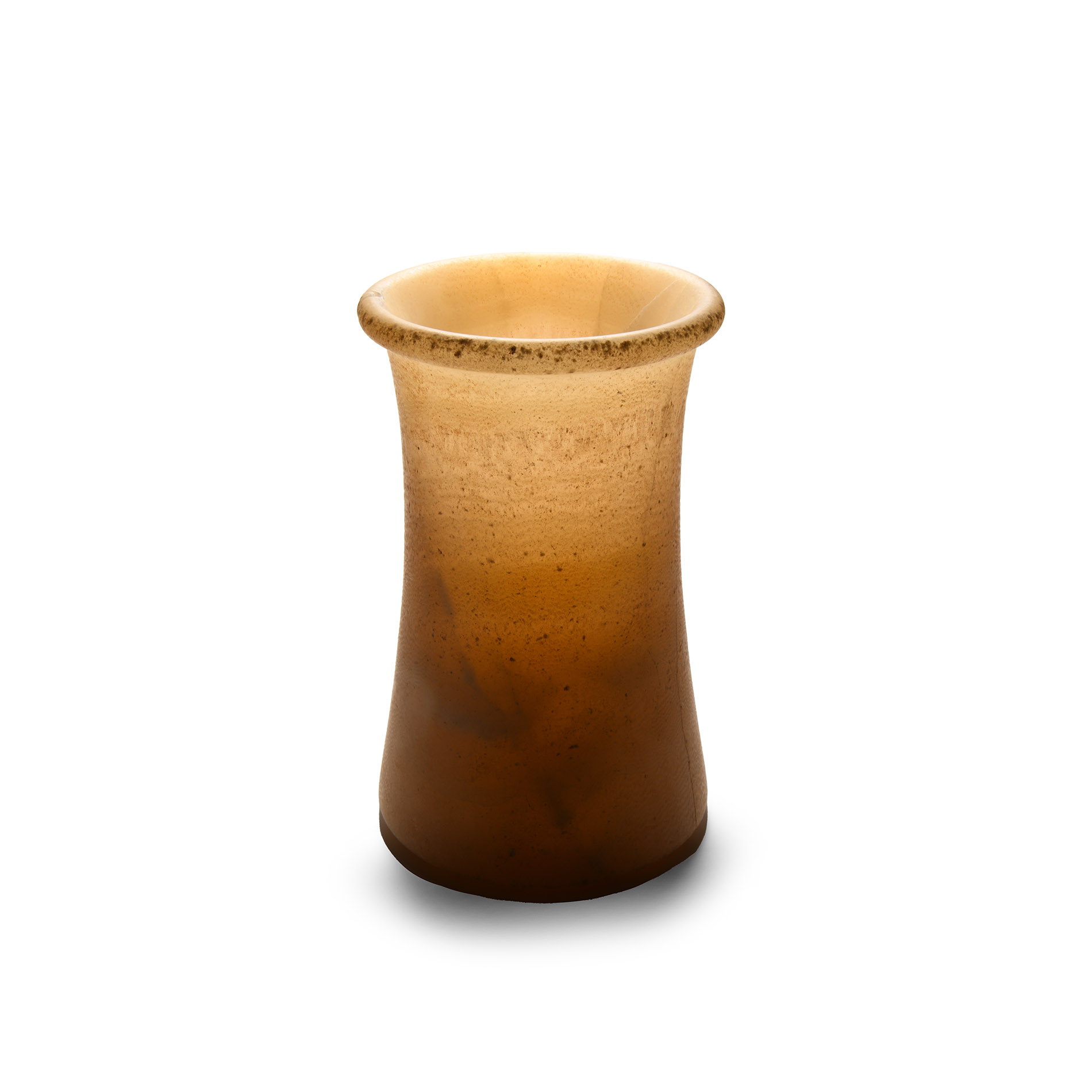
Bactrian Style Alabaster Jar
20TH CENTURY A.D.
7 1/2 in. (1.7 kg, 19.5 cm high).
Carved with tapering sidewalls and rolled rim; slightly rounded base.
ProvenanceProperty of a North London, UK, gentleman.
CONDITIONTimeLine Auctions follows a vetting process to ensure the authenticity and legality of all items, reinforcing our commitment to integrity and responsible trading. Each antiquity, antique, and coin lot undergoes thorough examination by a vetting committee of at least ten external specialists, professional trade association members, scientists, and archaeologists: Our Vetting Process
AUCTIONS:
TimeLine is a leading auction house specialising in antiquities, ancient art, collectables, natural history, coins, medals, and books. Our auctions offer museums, collectors, historians, and enthusiasts the opportunity to acquire unique and historically significant pieces.
-
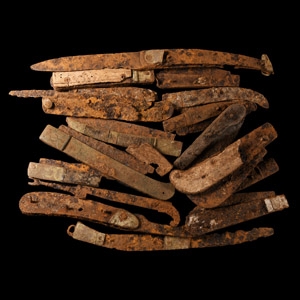
Post Medieval Iron Folding Knife Group
16th-18th century A.D.Sold for (Inc. bp): £7
Comprising blades and handles of various types and dates, including examples incised with decorative motifs. 930 grams total, 8.5 -23.5 cm
Acquired 1990s-early 2000s. East Anglian private collection. -
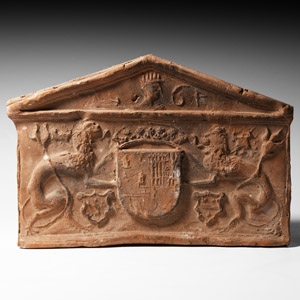
Post Medieval House-Shaped Armorial Terracotta Brick
16th-17th century A.D.Sold for (Inc. bp): £208
Displaying a crowned shield flanked by mythical leonine creatures in relief, crowned profile bust facing right above with number 6 and reversed 4. 4.2 kg, 27 cm wide
Acquired 1990s-early 2000s. East Anglian private collection. -
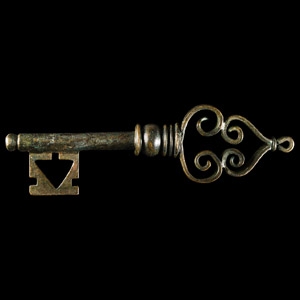
Tudor Period Bronze Key
16th-17th century A.D.Sold for (Inc. bp): £182
Openwork bow with volute scrolls and waisted silhouette, integral suspension loop to apex, collared and balustered neck, round-section stem with bulbous finial, rectangular bit with arrow-shaped void and two side notches. 74 grams, 12.2 cm
From the collection of an EU gentleman formed around 2000. Acquired on the UK art market.
