
Loading, please wait...
LOT 1785
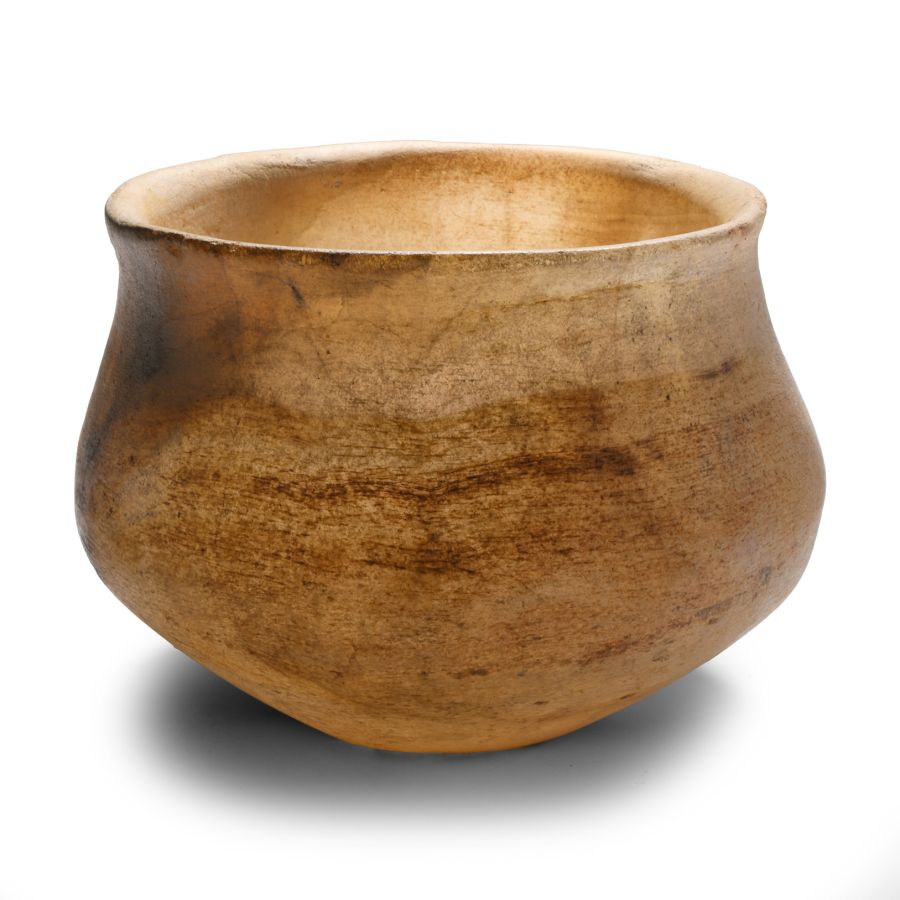
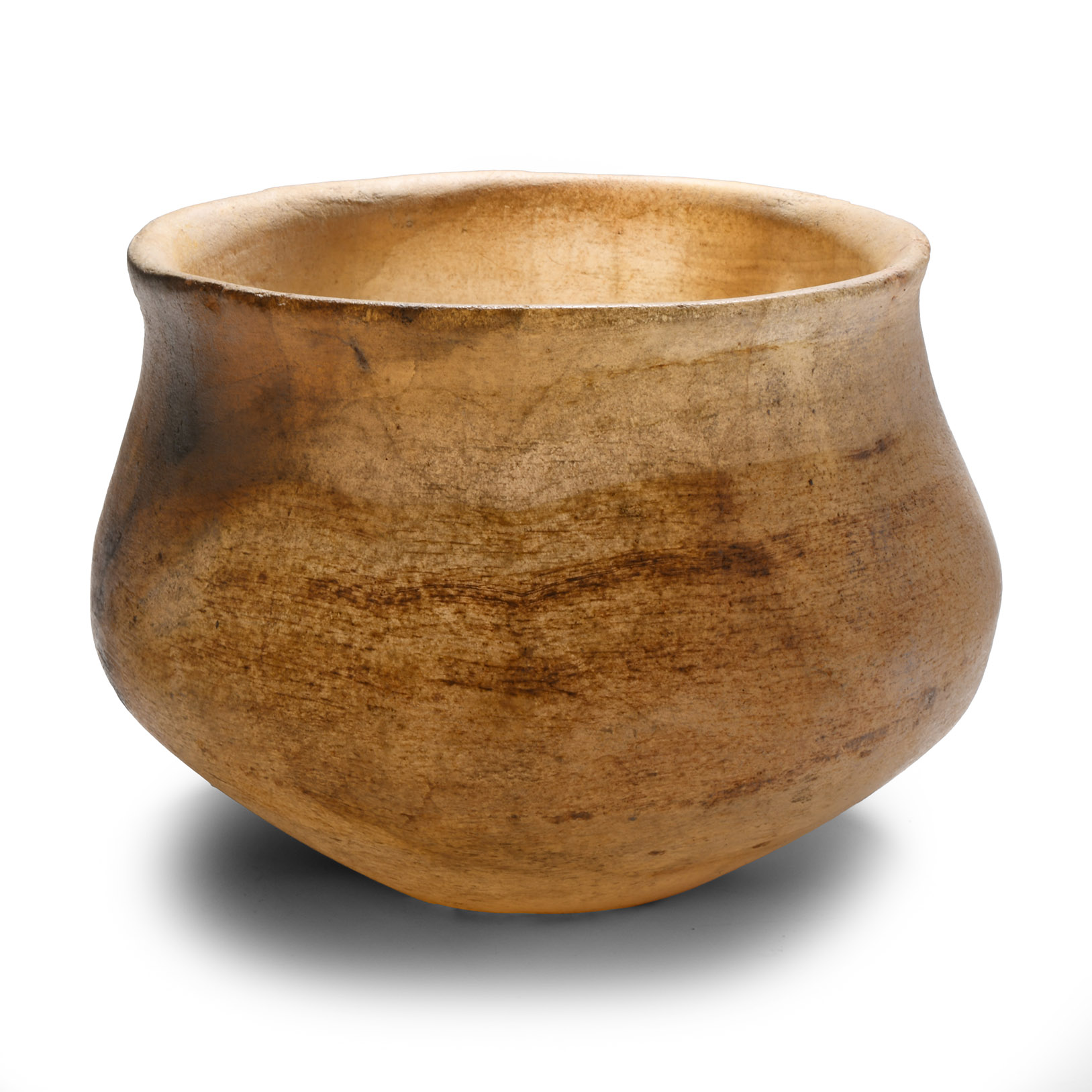
Bactrian Style Alabaster Bowl
20TH CENTURY A.D.
4 3/4 in. (924 grams, 12 cm wide).
Biconvex in profile with gently flared rim to the mouth. [No Reserve]
ProvenanceFrom a collection acquired on the UK art market from various auction houses and collections mostly before 2000.
From an important Cambridgeshire estate; thence by descent.
TimeLine Auctions follows a vetting process to ensure the authenticity and legality of all items, reinforcing our commitment to integrity and responsible trading. Each antiquity, antique, and coin lot undergoes thorough examination by a vetting committee of at least ten external specialists, professional trade association members, scientists, and archaeologists: Our Vetting Process
AUCTIONS:
TimeLine is a leading auction house specialising in antiquities, ancient art, collectables, natural history, coins, medals, and books. Our auctions offer museums, collectors, historians, and enthusiasts the opportunity to acquire unique and historically significant pieces.
-
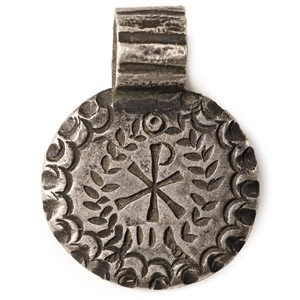
Post Medieval Silver Pendant with Chi Rho in Wreath
16th-17th century A.D.Sold for (Inc. bp): £169
Comprising a discoid body with piecrust edges, central motif a Chi Rho within a wreath; large fluted suspension loop. 6.37 grams, 25 mm
Ex German art market, 2000s. Acquired from an EU collector living in London. From the collection of Surrey, UK, gentleman. -
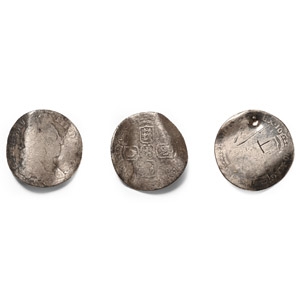
William III Silver Love Token Group
1694-1702 A.D.Sold for (Inc. bp): £39
Group of three love tokens, each a sixpence coin bent into a double-curved profile; one pierced and with initials to each face. 7.45 grams total, 20 mm each
Acquired on the UK art market. Property of an Essex, UK, gentleman.
The custom of giving a bent coin as a love-token is known from the 17th century in England. The coins were usually smoothed to obliterate the monarch’s head and then bent twice; sometimes they were engraved with initials or symbols such as hearts or knots. If the sweetheart accepted the youth's advances, she kept the token; if not, she disposed of the coin. The tradition is referred to in the children's rhyme "There was a crooked man, and he walked a crooked mile, he found a crooked sixpence on a crooked stile." -
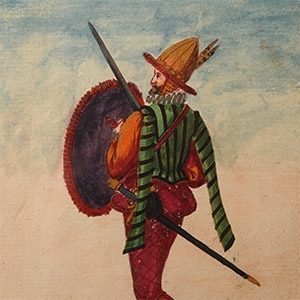
Watercolour Painting of a Soldier
Germany, 18th century A.D.Sold for (Inc. bp): £39
Hand-tinted figure of a 16th century soldier advancing on a green base with raised shield and drawn sword, basket-hilted sword at his left hip, slashed doublet and knee-length hose, cabaset with plume; all within a red rectangular frame with (blank) title panel below; mounted in a dark green reveal. 146 grams total, 35.5 x 28 cm including frame
Private collection, USA, formed in the 1980s.
