
Loading, please wait...
LOT 1143
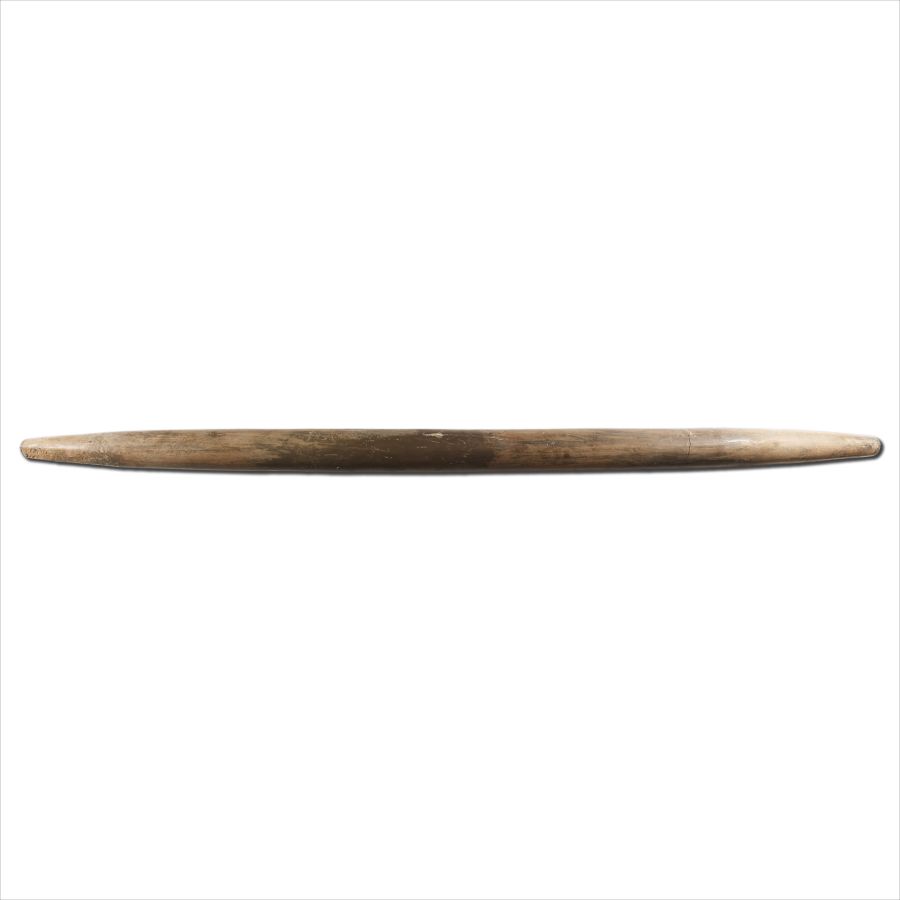
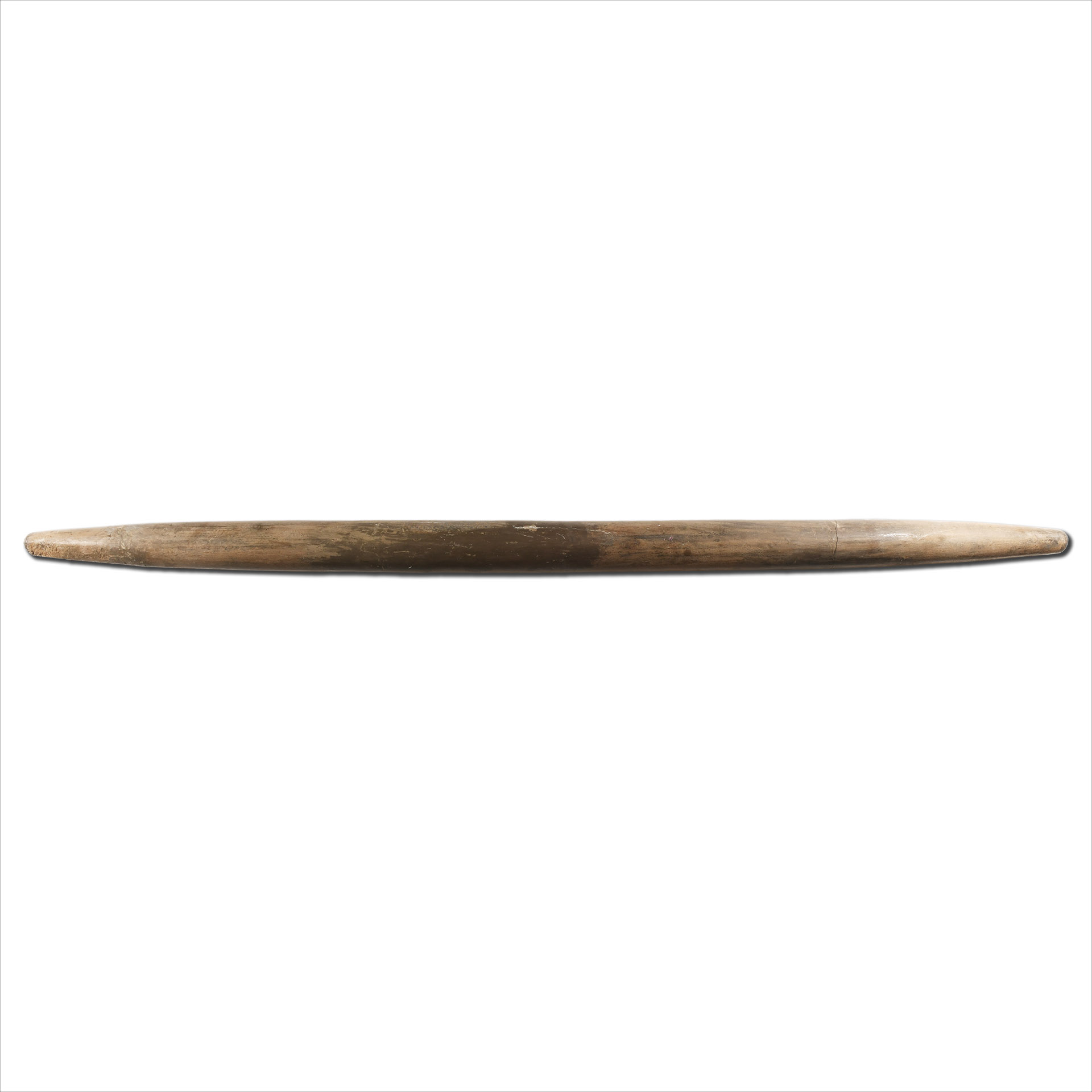
Bactrian Stone Idol
2ND-1ST MILLENNIUM B.C.
58 1/2 in. (13.6 kg, 148.5 cm).
Columnar bar with tapering ends, repair to one end.
ProvenanceEx collection 'F', London, UK, 2000s.
CONDITIONTimeLine Auctions follows a vetting process to ensure the authenticity and legality of all items, reinforcing our commitment to integrity and responsible trading. Each antiquity, antique, and coin lot undergoes thorough examination by a vetting committee of at least ten external specialists, professional trade association members, scientists, and archaeologists: Our Vetting Process
AUCTIONS:
TimeLine is a leading auction house specialising in antiquities, ancient art, collectables, natural history, coins, medals, and books. Our auctions offer museums, collectors, historians, and enthusiasts the opportunity to acquire unique and historically significant pieces.
-
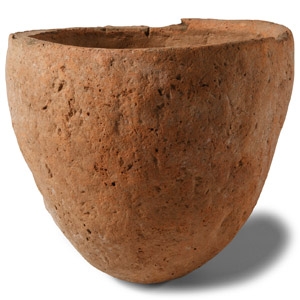
Large Holy Land Pottery Cup
Bronze Age, 16th-14th century B.C.Sold for (Inc. bp): £39
Ovoid in profile with thick rim and rounded underside. 513 grams, 11.5 cm
From a collection acquired on the UK art market from various auction houses and collections mostly before 2000. From an important Cambridgeshire estate; thence by descent. -
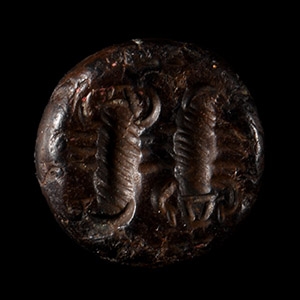
Sassanian Haematite Seal
4th-7th century A.D.Estimate: £200 - 300 (‡+bp*)
Opening Bid: £100
Plano-convex stamp seal with design of two scorpions placed tête-bêche; supplied with a museum-quality impression. 8 grams, 17 mm
Acquired in Europe in 1997. European private collection. -
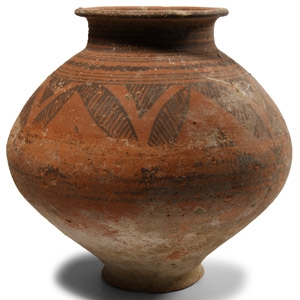
Western Asiatic Terracotta Jar
Iron Age, 1st millennium B.C.Sold for (Inc. bp): £98
With biconical profile, narrow base, broad mouth with flared rim; bands of painted hatched leaf motifs to shoulder, horizontal lines above; small hole to shoulder. 1 kg, 18.5 cm high
Acquired 1980-2015. Ex Abelita family collection.
