
Loading, please wait...
_900x900.jpg "Bactrian Silver Walking Stick Attachment")
_200x200.jpg "Bactrian Silver Walking Stick Attachment")
.jpg "Bactrian Silver Walking Stick Attachment")
LOT 1323
Bactrian Silver Walking Stick Attachment
2ND MILLENNIUM B.C.
1 1/4 in. (32.33 grams, 31 mm).
Hollow-formed cylinder seal-type attachment, possibly from a walking stick or a furniture fitting, with a frieze of opposed seated figures, beasts and other details; accompanied by a museum-quality impression.
ProvenanceAcquired before 1990.
With a central London gallery.
Private collection of a North West London lady.
TimeLine Auctions follows a vetting process to ensure the authenticity and legality of all items, reinforcing our commitment to integrity and responsible trading. Each antiquity, antique, and coin lot undergoes thorough examination by a vetting committee of at least ten external specialists, professional trade association members, scientists, and archaeologists: Our Vetting Process
AUCTIONS:
TimeLine is a leading auction house specialising in antiquities, ancient art, collectables, natural history, coins, medals, and books. Our auctions offer museums, collectors, historians, and enthusiasts the opportunity to acquire unique and historically significant pieces.
LOT 1323
Bactrian Silver Walking Stick Attachment
Estimate £400 - 600€460 - 700 (for guidance only)$540 - 810 (for guidance only)
-
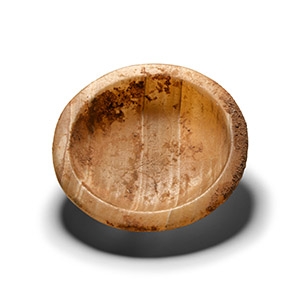
Western Asiatic Alabaster Bowl
1st millennium B.C.Estimate: £300 - 400 (‡+bp*)
Opening Bid: £150
Carved from a veined stone with a shallow bowl and broad rim. 167 grams, 96 mm wide
Acquired in Europe before 1992. -
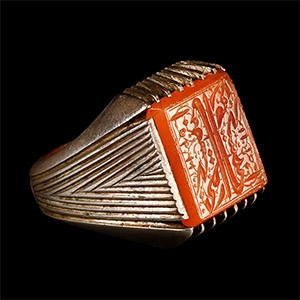
Qajar Inscribed Gemstone in Silver Ring
Dated 1873 A.D.Sold for (Inc. bp): £156
Carnelian cloison dated 1290 AH (1873 AD) with personal stamp seal for Rahim Al-Hosseini. 16.65 grams, 29.85 mm overall, 20.80 mm internal diameter (approximate size British W, USA 11, Europe 25, Japan 24)
Acquired by the vendor's father on the UK art market, before 1990. -
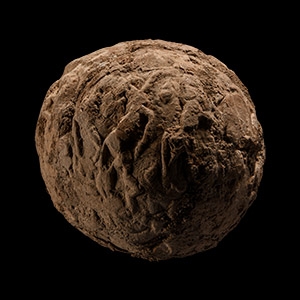
Sumerian Terracotta 'Bulla Envelope' with Impressed Decoration
Uruk Period, circa 5500-3100 B.C.Sold for (Inc. bp): £4,160
Complete and of spherical form, containing clay 'tokens'; the outer face impressed with enigmatic motifs. 105 grams, 66 mm
Specialised collection of cuneiform texts, the property of a London gentleman and housed in London before 1988. Thence by descent to family members. Examined by Professor Wilfrid George Lambert FBA (1926-2011), historian, archaeologist, and specialist in Assyriology and Near Eastern archaeology, in the late 1980s and early 1990s. The collection is exceptional for the variety of types, including some very rare and well preserved examples. Accompanied by a copy of two previous illustrated and typed catalogue pages.
The tokens sealed within the bulla are believed to have been used as part of the accounting process in Sumerian or early Uruk agriculture.
