
Loading, please wait...

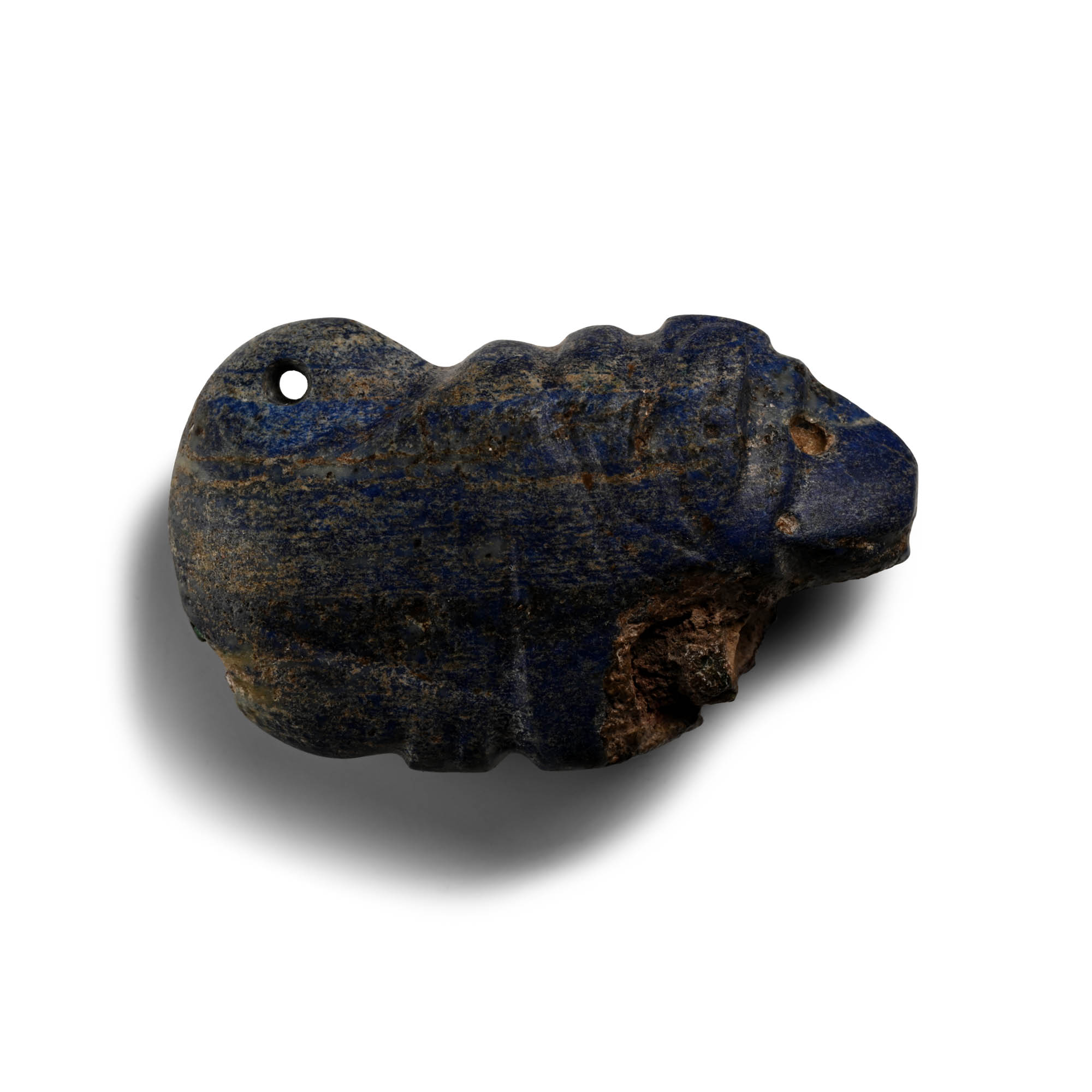
LOT 1240
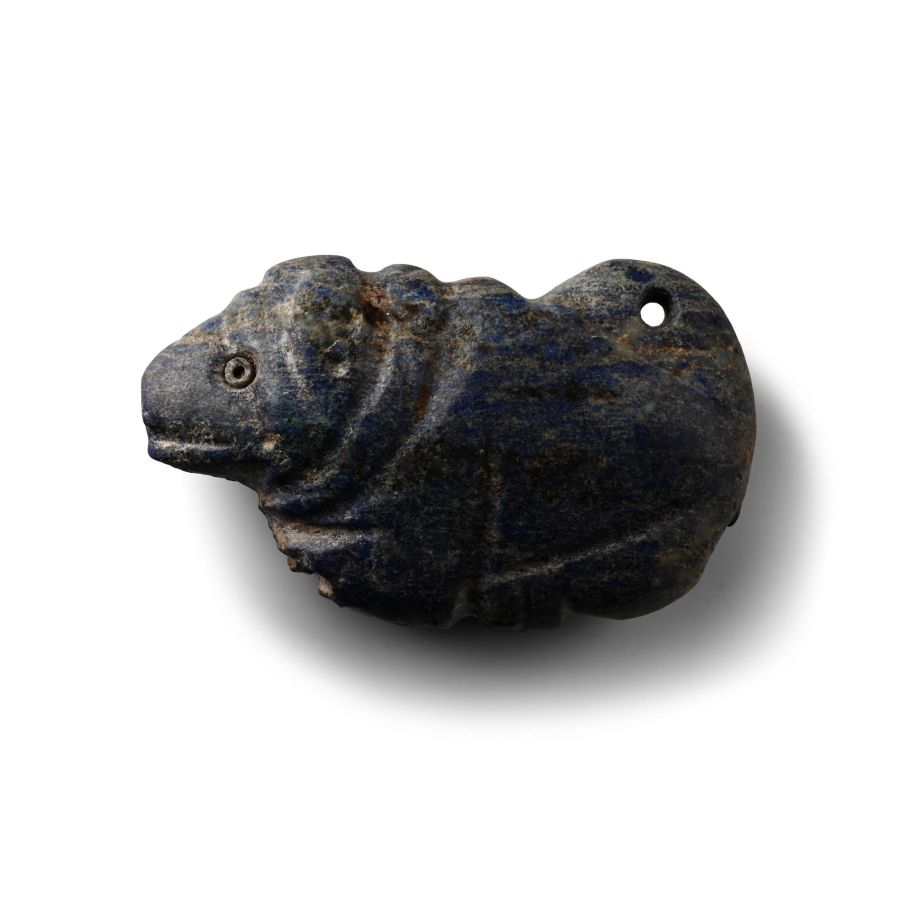
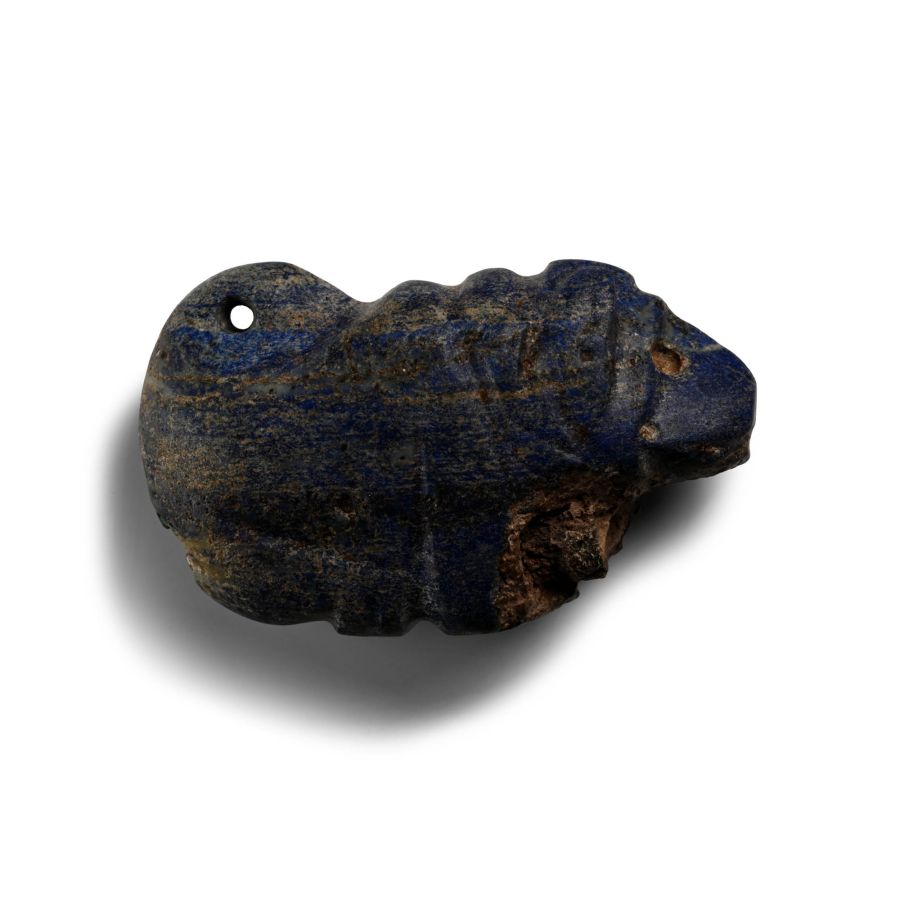
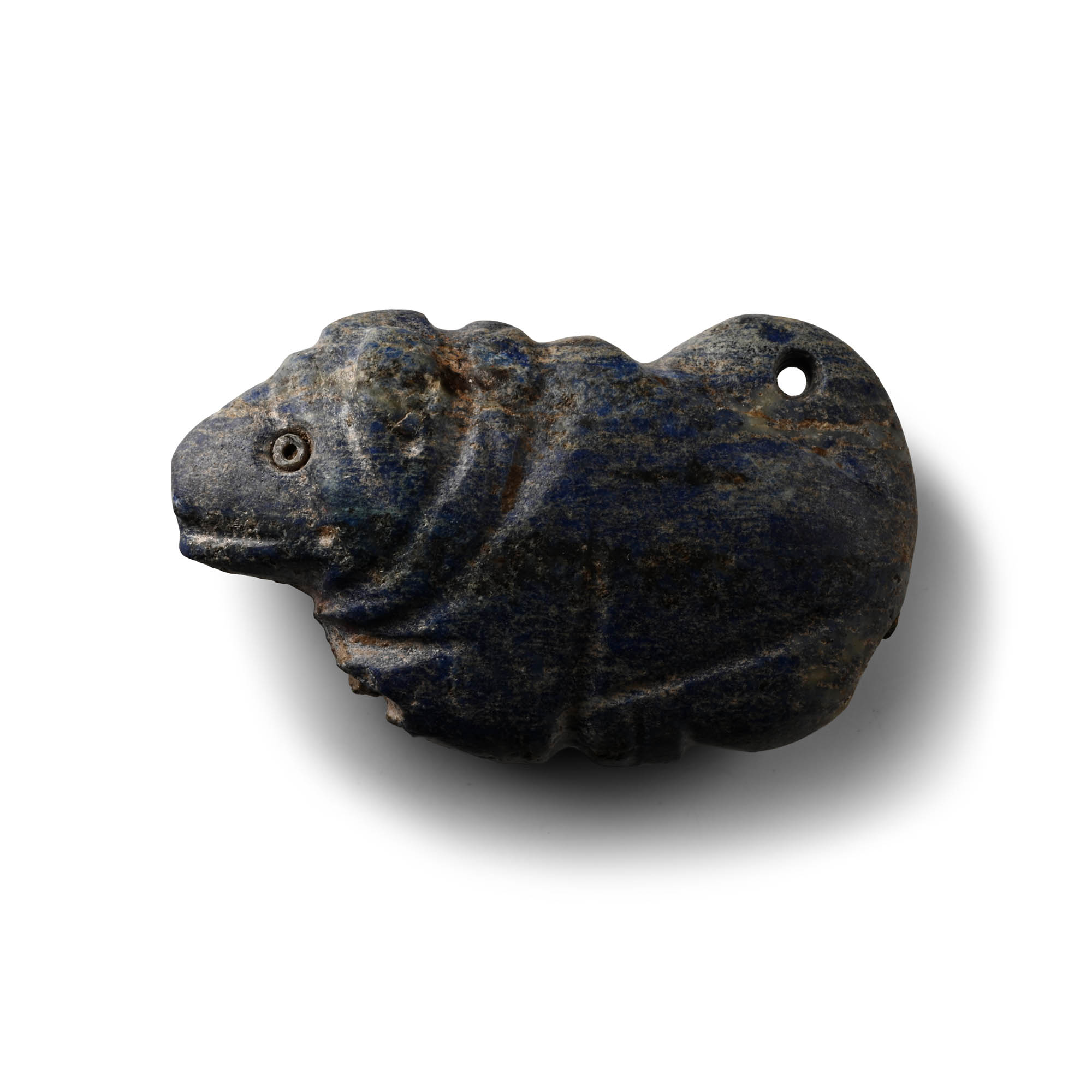
Bactrian Lapis Lazuli Recumbent Bull with Inlaid Eyes
3RD MILLENNIUM B.C.
1 3/4 in. (31.6 grams, 46 mm).
Carved in the round as a bull with curved tail forming the suspension lug, recessed sockets for eyes on with inset turquoise bead.
Provenancewith Gallery Rosen Ancient Art, Tel Aviv, 1968.
with a London, UK gallery, 1971-early 2000s.
Includes a copy of the original 1968 invoice.
This lot has been cleared against the Art Loss Register database, and is accompanied by an illustrated lot declaration signed by the Head of the Antiquities Department, Dr Raffaele D'Amato.
Cf. for ancient bull cults, see Rice, M. Power of the Bull, London, 1997, and discussion there.
CONDITIONTimeLine Auctions follows a vetting process to ensure the authenticity and legality of all items, reinforcing our commitment to integrity and responsible trading. Each antiquity, antique, and coin lot undergoes thorough examination by a vetting committee of at least ten external specialists, professional trade association members, scientists, and archaeologists: Our Vetting Process
AUCTIONS:
TimeLine is a leading auction house specialising in antiquities, ancient art, collectables, natural history, coins, medals, and books. Our auctions offer museums, collectors, historians, and enthusiasts the opportunity to acquire unique and historically significant pieces.
LOT 1240
Bactrian Lapis Lazuli Recumbent Bull with Inlaid Eyes
Estimate £1,000 - 1,400€1,160 - 1,620 (for guidance only)$1,350 - 1,890 (for guidance only)
-
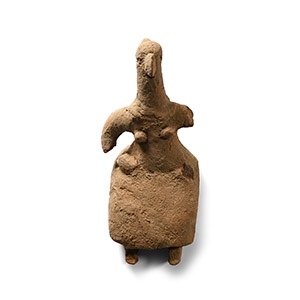
Chalcolithic Seated Terracotta Figure
3rd millennium B.C.Estimate: £300 - 400 (+bp*)
Opening Bid: £150
Modelled in the round seated figure with looped arms and applied collar, pinched nose. 128 grams, 13 cm high
Ex important collection of a late gentleman, 1980s. This lot has been cleared against the Art Loss Register database, and is accompanied by an illustrated lot declaration signed by the Head of the Antiquities Department, Dr Raffaele D'Amato. -
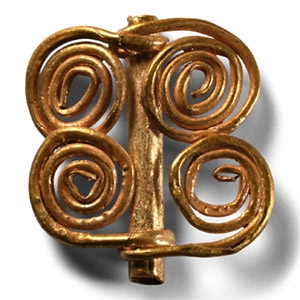
Mesopotamian Multi Spiral Gold Pendant Bead
2nd-1st millennium B.C.Sold for (Inc. bp): £208
Comprising a tubular body with a pair of applied wire spirals to each side. 0.31 grams, 11 mm
Ex property of a late Japanese collector, 1970-2000s. This lot has been cleared against the Art Loss Register database, and is accompanied by an illustrated lot declaration signed by the Head of the Antiquities Department, Dr Raffaele D'Amato. -
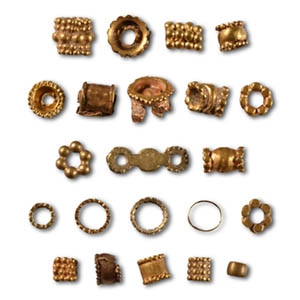
Western Asiatic Mixed Gold Bead Group
1st millennium B.C.Sold for (Inc. bp): £468
Including oblate, barrel-shaped and other types with applied granulation. 5.21 grams total, 2-10 mm
Ex property of a late Japanese collector, 1970-2000s. This lot has been cleared against the Art Loss Register database, and is accompanied by an illustrated lot declaration signed by the Head of the Antiquities Department, Dr Raffaele D'Amato.
