
Loading, please wait...
LOT 1003
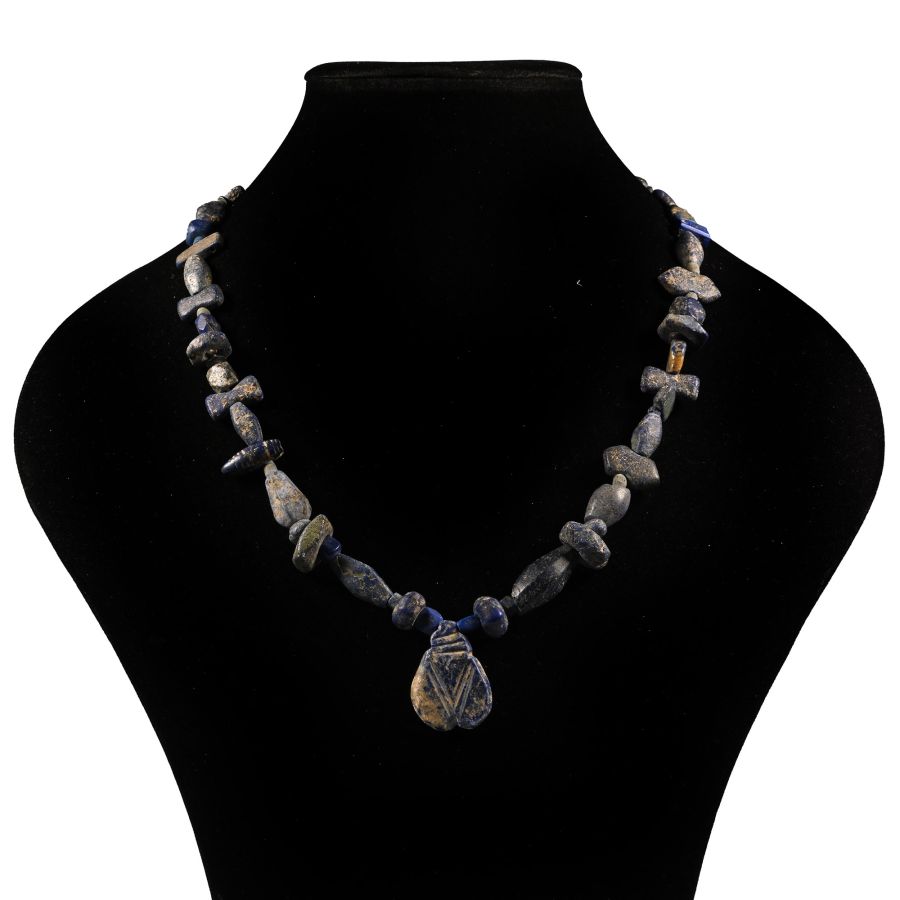
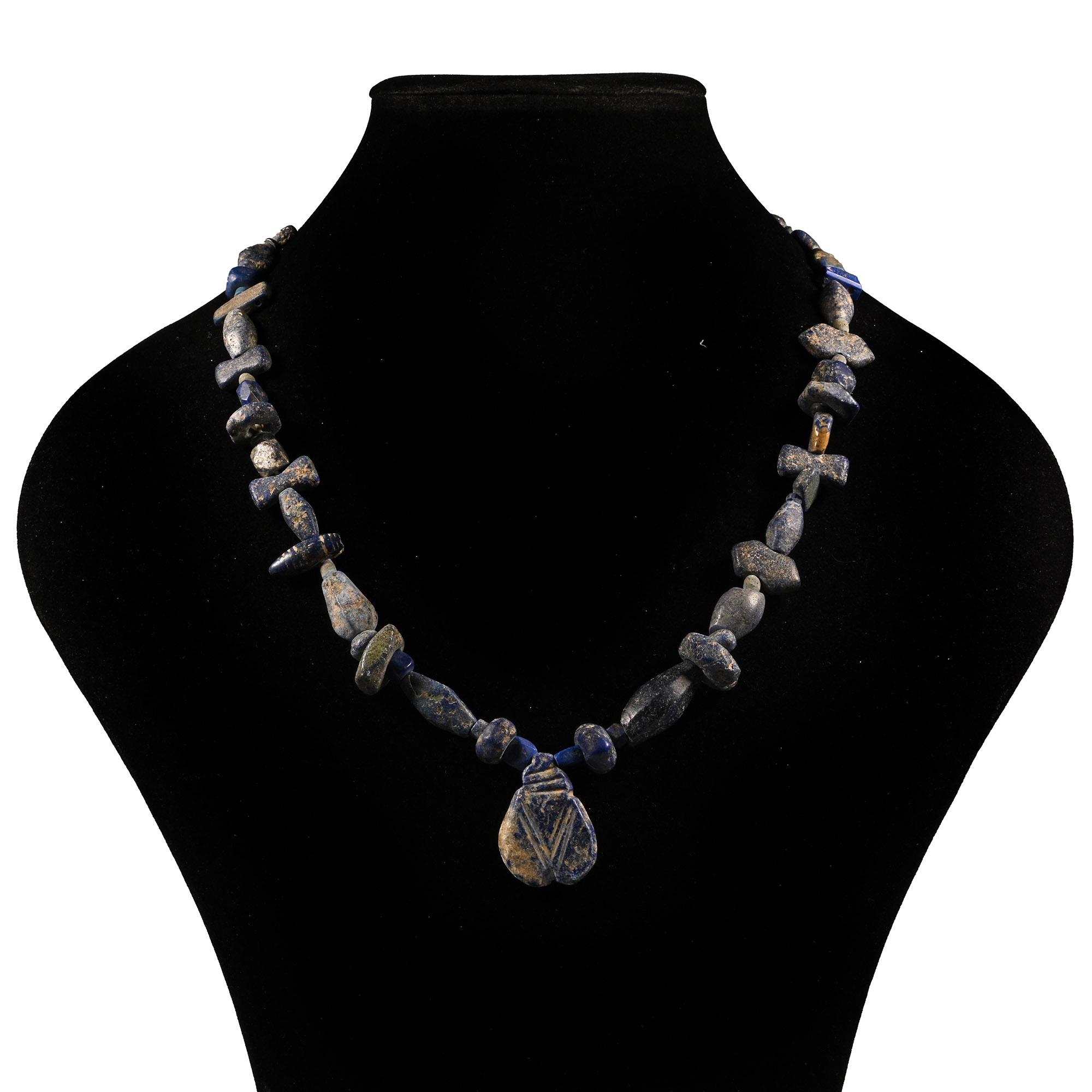
Bactrian Lapis Lazuli Bead Necklace String
1ST MILLENNIUM B.C. AND LATER
22 in. (89 grams, 56 cm).
Restrung assemblage composed of variously shaped beads, some amuletic; central feature a bifacial fly-shaped pendant. [No Reserve]
ProvenanceFrom the family collection of a Hampstead gentleman; formerly acquired in the 1980s.
This lot has been cleared against the Art Loss Register database, and is accompanied by an illustrated lot declaration signed by the Head of the Antiquities Department, Dr Raffaele D'Amato.
TimeLine Auctions follows a vetting process to ensure the authenticity and legality of all items, reinforcing our commitment to integrity and responsible trading. Each antiquity, antique, and coin lot undergoes thorough examination by a vetting committee of at least ten external specialists, professional trade association members, scientists, and archaeologists: Our Vetting Process
AUCTIONS:
TimeLine is a leading auction house specialising in antiquities, ancient art, collectables, natural history, coins, medals, and books. Our auctions offer museums, collectors, historians, and enthusiasts the opportunity to acquire unique and historically significant pieces.
-
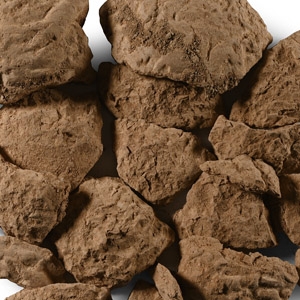
Fragmentary Sumerian Terracotta Bulla Envelope with Impressed Decoration
Uruk Period, 5500-3100 B.C.Sold for (Inc. bp): £169
Group of irregular ceramic fragments with low-relief zoomorphic and other ornament. 131 grams, 25-56 mm
Specialised collection of cuneiform texts, the property of a London gentleman and housed in London before 1988. Thence by descent to family members. Examined by Professor Wilfrid George Lambert FBA (1926-2011), historian, archaeologist, and specialist in Assyriology and Near Eastern archaeology, in the late 1980s and early 1990s. The collection is exceptional for the variety of types, including some very rare and well preserved examples. This lot has been cleared against the Art Loss Register database, and is accompanied by an illustrated lot declaration signed by the Head of the Antiquities Department, Dr Raffaele D'Amato. -
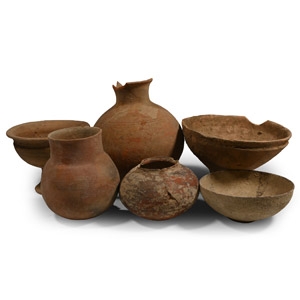
Western Asiatic and Other Pottery Collection
3rd-1st millennium B.C.Sold for (Inc. bp): £52
A mixed group comprising three bulbous jars, two footed bowls and a one squat jar; fragmentary. 2.89 kg total, 13-19.5 cm
From a West Country collection, UK, 1990s. This lot has been cleared against the Art Loss Register database, and is accompanied by an illustrated lot declaration signed by the Head of the Antiquities Department, Dr Raffaele D'Amato. -
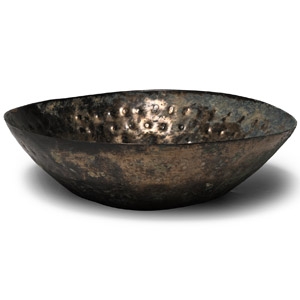
Sasanian Punch-Decorated Bronze Bowl
3rd-7th century A.D.Estimate: £180 - 240 (+bp*)
Opening Bid: £100
Wide-bodied with two bands of punched pellets to the upper body and piecrust decoration to the lower body; the base with a circumferential band of punched pellets and concentric circles to the inner face. 141 grams, 17.1 cm
Acquired 1980-2015. Ex Abelita family collection. This lot has been cleared against the Art Loss Register database, and is accompanied by an illustrated lot declaration signed by the Head of the Antiquities Department, Dr Raffaele D'Amato.
